
Tokenization of real-world assets (RWAs) is rapidly transforming the way people interact with financial instruments, property rights, and tangible investments. As blockchain technology matures, its application to real estate, commodities, bonds, and intellectual property is reshaping the boundaries between traditional finance and decentralized ecosystems. This guide explores the fundamentals of RWAs on blockchain, how tokenization works, its opportunities, limitations, and the growing impact of this innovation across the financial landscape.
What Are Real-World Assets (RWAs)?
Real-world assets (RWAs) refer to tangible or intangible assets that exist outside of blockchain but can be represented digitally on-chain. These assets include:
● Real estate
● Government and corporate bonds
● Private credit and loans
● Precious metals and commodities
● Art and intellectual property (IP)
In contrast to native cryptocurrencies like Bitcoin or Ethereum, RWAs have value anchored in the off-chain world. The goal of RWA tokenization is to bring these traditionally illiquid or complex assets onto blockchain networks, allowing them to be traded, fractionalized, and integrated into decentralized finance (DeFi) applications.
RWAs typically do not grant legal ownership or dividend rights directly through the token. Instead, they track the price or yield of the underlying asset and often represent a contractual claim, depending on the issuing platform and jurisdiction.
How Does RWA Tokenization Work?
The process of tokenizing RWAs involves multiple steps to ensure transparency, compliance, and asset integrity:
Asset Identification and Due Diligence
The first step is to select and verify the real-world asset. This includes appraisals, legal checks, and compliance assessments to validate ownership and value.
Legal Structuring and Custody
The issuing entity sets up legal frameworks such as trusts, special purpose vehicles (SPVs), or custodial arrangements. These structures link the off-chain asset to an on-chain token while ensuring enforceability in real-world jurisdictions.
Smart Contract Deployment
Developers then create blockchain-based tokens through smart contracts that define how the asset behaves digitally. These contracts govern transferability, payment schedules, and other conditions.
Oracle Integration
To keep the token price in sync with real-world data, oracles feed off-chain information (such as interest rates or market prices) into the blockchain environment. This ensures accurate tracking and real-time updates.
Distribution and Trading
Tokens are issued to users via public or private offerings. Once distributed, they can be traded on exchanges that support RWA instruments, including both centralized and decentralized platforms.
Ongoing Management and Compliance
Issuers must handle maintenance, audits, regulatory updates, and ensure that the token remains compliant throughout its lifecycle.
Benefits of Tokenized RWAs
Tokenizing RWAs offers several advantages that are difficult to achieve through traditional financial systems:
Fractional Ownership
By dividing high-value assets into smaller tokens, individuals can access markets that were previously reserved for institutional investors. For example, someone could own a fraction of a luxury apartment or a government bond with a small investment.
Improved Liquidity
Tokenization makes assets that were previously illiquid (like fine art or commercial real estate) tradable on secondary markets. This increased liquidity may enhance price discovery and reduce exit barriers for investors. For instance, just as traders follow market updates on coins such as Rexas Finance price, tokenized RWAs benefit from transparent pricing and more efficient market participation.
Global Accessibility
Blockchain allows users worldwide to participate in asset ownership without intermediaries. Anyone with internet access and a compatible wallet can engage with tokenized assets, subject to regulatory constraints.
Transparency and Auditability
All transactions are recorded on an immutable ledger, which reduces fraud risk and simplifies verification. Investors can track asset performance and ownership history with minimal effort.
Programmable Yield and Integration into DeFi
RWA tokens can be used within DeFi protocols for staking, collateral, and lending. Programmable smart contracts enable automatic interest payouts and complex financial operations.
What Are the Risks and Challenges?
Despite the clear benefits, RWA tokenization introduces important risks and limitations that investors must understand:
Legal and Regulatory Uncertainty
Different jurisdictions interpret tokenized assets in various ways. Without unified standards, legal enforceability remains a key concern. Compliance gaps may expose investors and platforms to legal risks.
Smart Contract Vulnerabilities
Flaws in the underlying code of smart contracts can result in loss of funds or operational failure. Security audits and ongoing testing are essential but cannot guarantee absolute safety.
Oracle Failures and Data Reliability
If the off-chain data feeding into the blockchain is inaccurate or delayed, token performance may diverge from the asset it represents. This could lead to pricing inefficiencies or arbitrage issues.
Liquidity Constraints
While tokenization improves theoretical liquidity, actual trading volumes may remain low, especially in early-stage RWA markets. Investors may face difficulty selling their tokens at fair value.
Custodial and Counterparty Risk
Because real-world assets must be held off-chain by custodians or legal entities, trust in these intermediaries is required. Mismanagement or insolvency of custodians can jeopardize the backing of the tokens.
Real-World Examples of RWA Tokenization
Several projects and platforms have started tokenizing RWAs across different sectors. While the exact offerings vary, common categories include:
● Tokenized Bonds: Digital representations of U.S. Treasury bonds or corporate debt instruments.
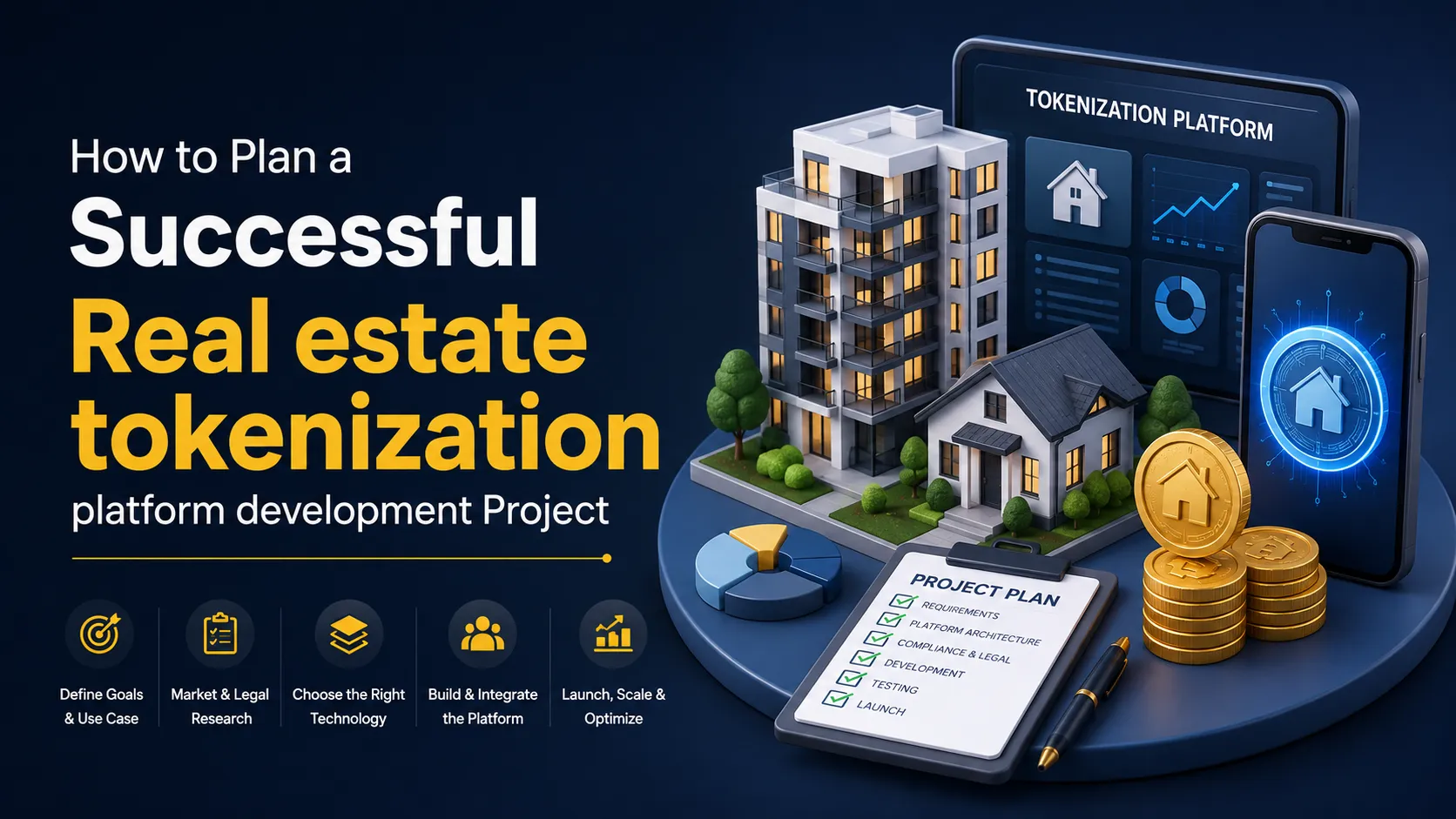
● Real Estate Tokens: Fractional ownership of commercial or residential properties.
● Gold and Commodities: Tokenized precious metals with verifiable storage and pricing. For example, pairs like LINKUSDT provide liquidity bridges between native crypto assets and tokenized real-world instruments on DeFi platforms.
● Invoice Financing and Private Credit: Lending opportunities collateralized by real-world invoices or receivables.
● Intellectual Property Tokens: Revenue-sharing rights tied to music royalties, patents, or trademarks.
Each of these implementations requires a blend of legal, technical, and financial engineering to ensure legitimacy and usability.
Why RWAs Matter for the Future of DeFi
The decentralized finance ecosystem has largely revolved around crypto-native assets. However, the integration of RWAs brings new utility and stability to this space:
Stable Yield Generation
RWAs linked to income-generating instruments, like government bonds, can offer more predictable returns than volatile crypto assets. This appeals to both retail and institutional investors seeking risk-adjusted yield.
Expansion of Collateral Options
Lending protocols can use tokenized RWAs as collateral, improving the security and diversity of on-chain loans. This reduces dependency on crypto market cycles.
Institutional Adoption
RWA tokenization aligns with the compliance, security, and reporting standards that institutions require. This opens the door for asset managers, banks, and fintech firms to enter DeFi markets.
Infrastructure Growth
As demand for RWAs grows, new infrastructure is emerging to support token issuance, custody, trading, and compliance. This fosters ecosystem maturity and standardization.
How to Get Started with RWA Investing on Blockchain
For beginners interested in exploring RWAs on blockchain, here are essential steps to consider:
Choose a Trusted Platform - MEXC Exchange
Ensure the platform is licensed, transparent, and has a strong reputation. Verify that it provides access to verifiable, asset-backed tokens.
MEXC provides a secure and streamlined platform to access tokenized real-world assets. Whether you're exploring government bonds, real estate tokens, or DeFi-integrated RWAs, MEXC delivers high liquidity, low fees, and robust user protection.
Start trading tokenized assets on MEXC and take your first step into the future of real-world asset investing.
Understand Regional Restrictions
Some regions may restrict access to RWA products due to local laws. Users should confirm eligibility and legal compliance before investing.
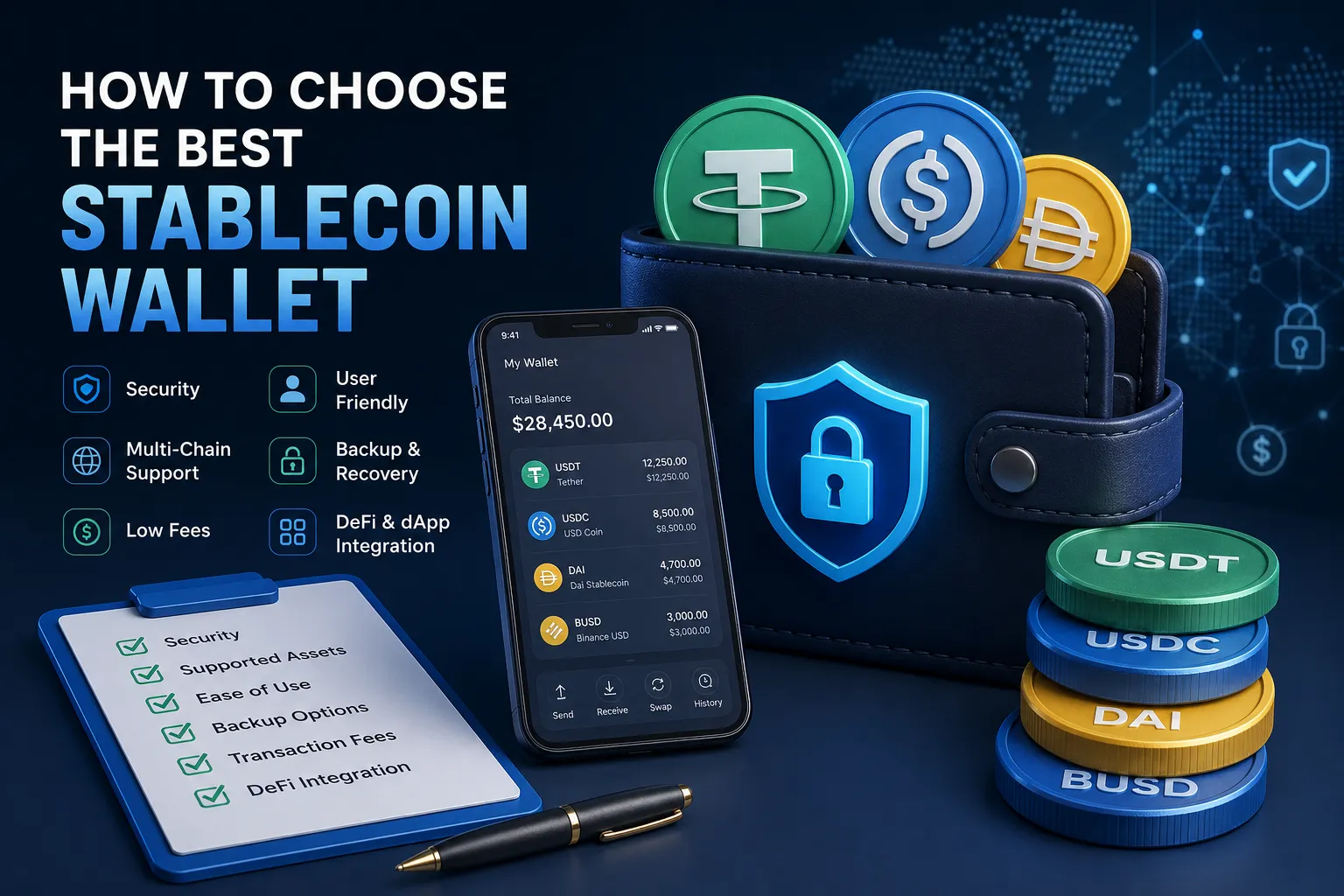
Secure a Compatible Wallet
Use a secure, self-custodial wallet that supports RWA tokens. Platforms like MEXC offer integrated access with institutional-grade security.
Read the Terms and Whitepapers
Each RWA token has unique terms. Read whitepapers, prospectuses, or disclosures to understand what rights the token confers, how yields are calculated, and what risks apply.
Manage Risk Proactively
Diversify holdings, avoid overexposure to a single asset class, and monitor platform updates. Remember that tokenized RWAs are still an emerging asset category.
Conclusion: Are Real-World Assets the Future of Web3?
Tokenized RWAs bridge the gap between traditional finance and blockchain innovation. They introduce real-world value, stability, and new utility into decentralized ecosystems. While the potential is enormous, so are the challenges. Legal uncertainty, liquidity gaps, and technical complexity require careful navigation.
For beginners, RWAs represent a promising but still-developing sector. As regulation and infrastructure evolve, these assets could play a central role in the next generation of Web3 applications.
























Sign in to leave a comment.