
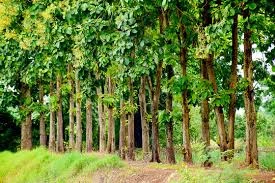
Leyland Cypress trees have become a popular choice for many homeowners due to their fast growth and evergreen appearance. They are often used as hedges, privacy screens, and windbreakers.
However, these trees come with challenges that make them less than ideal for some people. In this blog post, we will uncover the reasons why you should avoid planting Leyland Cypress.
1. Disease-prone:
Leyland Cypress is highly susceptible to a disease called Seiridium canker, which can cause extensive damage to the tree. Once this disease sets in, the affected branches will turn brown and die off. The fungus can spread rapidly, causing extensive damage within a short time. Moreover, this disease is challenging to manage, and treating it can be costly. If you plant Leyland Cypress, you will have to be prepared for the possibility of having to remove the entire tree if it becomes infected.
2. Growth rate:
While the fast growth rate of Leyland Cypress can be advantageous in some situations, it can also be a disadvantage in others. The trees grow quickly, requiring regular trimming to maintain their shape. If left untrimmed, the trees can become too tall and unsightly. Additionally, their aggressive lateral growth can spread into areas where they are not wanted, such as neighboring properties, sidewalks, or driveways.
3. Shallow roots:
Leyland Cypress has shallow roots that spread laterally near the soil surface rather than growing deep into the ground. This can make the trees unstable in high winds or during storms, where they can become uprooted or topple over, causing damage or injury. Moreover, the shallow root system can make the trees more susceptible to drought, which can cause stress and damage to their growth.
4. Invasive:
Leyland Cypress can become invasive if planted outside their natural range, which is the US Southeast. This is because they do not have any natural predators in other areas of the country where they are planted, and they can quickly establish themselves in these places. They can outcompete native species for water, nutrients, and sunlight, leading to ecological imbalances.
5. Environmental damage:
Leyland Cypress has a high water demand, which can lead to water stress in areas with limited water resources. Furthermore, their dense foliage blocks sunlight from reaching the ground, preventing the growth of other plants beneath them. This can lead to a loss of habitat and biodiversity in ecosystems where Leyland Cypress is planted.
Conclusion:
Leyland Cypress might seem like an excellent choice for landscaping due to its fast growth and evergreen appearance. However, the disadvantages associated with this tree are many. From disease susceptibility, growth rate, shallow roots, and invasiveness to environmental damage, these trees can pose many challenges to homeowners and the environment. Before you plant Leyland Cypress, it is essential to weigh the pros and cons carefully, assess your needs, and determine if this tree is the right choice for you.






















Sign in to leave a comment.