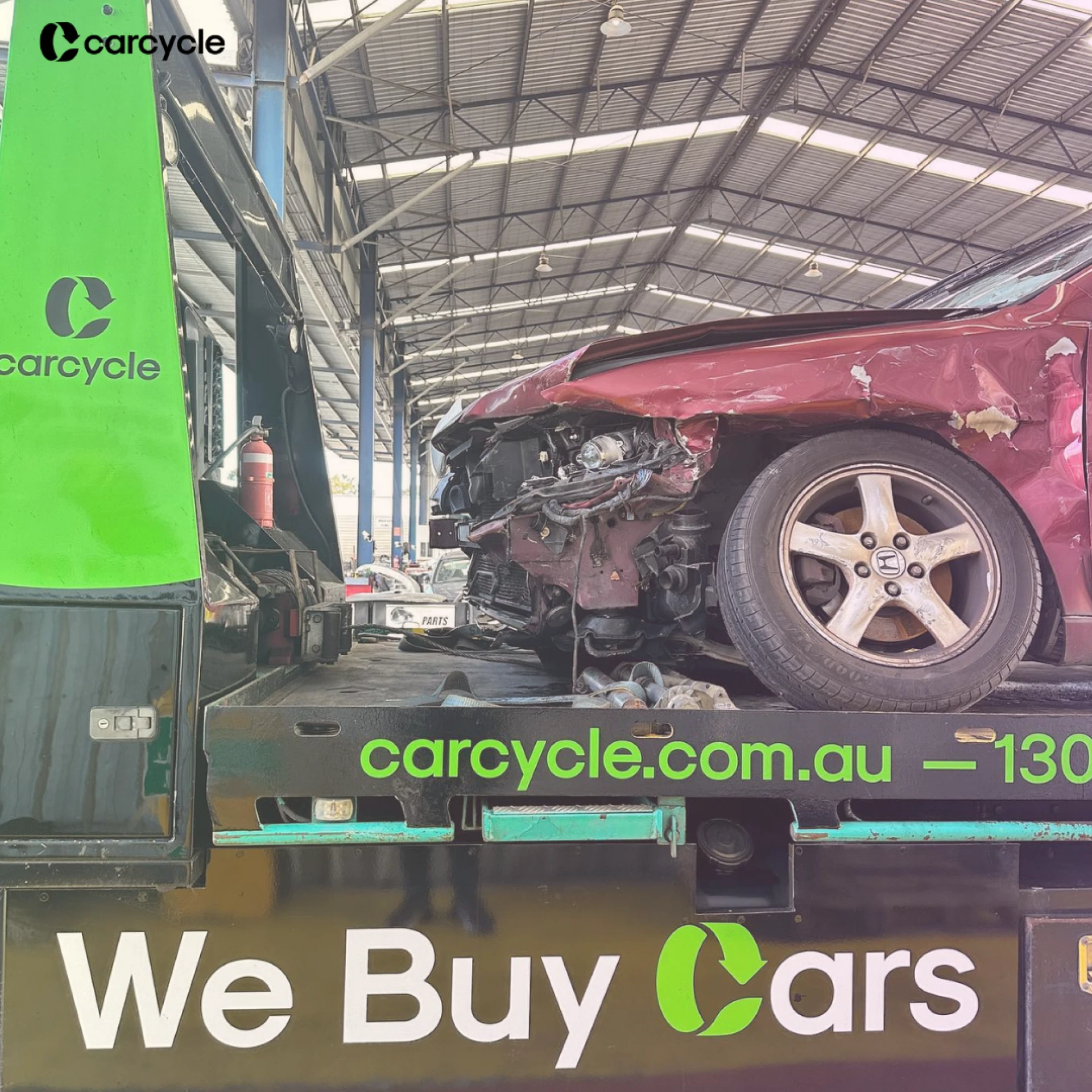

When my older car started failing in ways that didn’t line up with its value, I got stuck on one question: “Is this car going to be recycled, or is it just going to be scrapped?” I’d heard both terms thrown around like they meant the same thing. After a few calls and a bit of reading between the lines, I realised the difference isn’t about marketing—it’s about what condition the car is in and what can realistically be recovered from it.
Scrapping is usually the simplest pathway: the vehicle is treated as a metal and materials job. Recycling is broader: it can include depollution (safe handling of fluids), parts recovery, and then material separation. In plain terms, scrapping is often the end stage, while recycling can include multiple stages before the shell is processed.
That understanding helped me stop chasing the “perfect” option and focus on the practical one. I wasn’t trying to make a statement—I just wanted the car gone quickly, with a fair outcome, and without leaving a mess behind. If you’re in the same position, the right choice usually comes down to three things: how complete the vehicle is, how severe the damage is, and whether any parts still have demand.
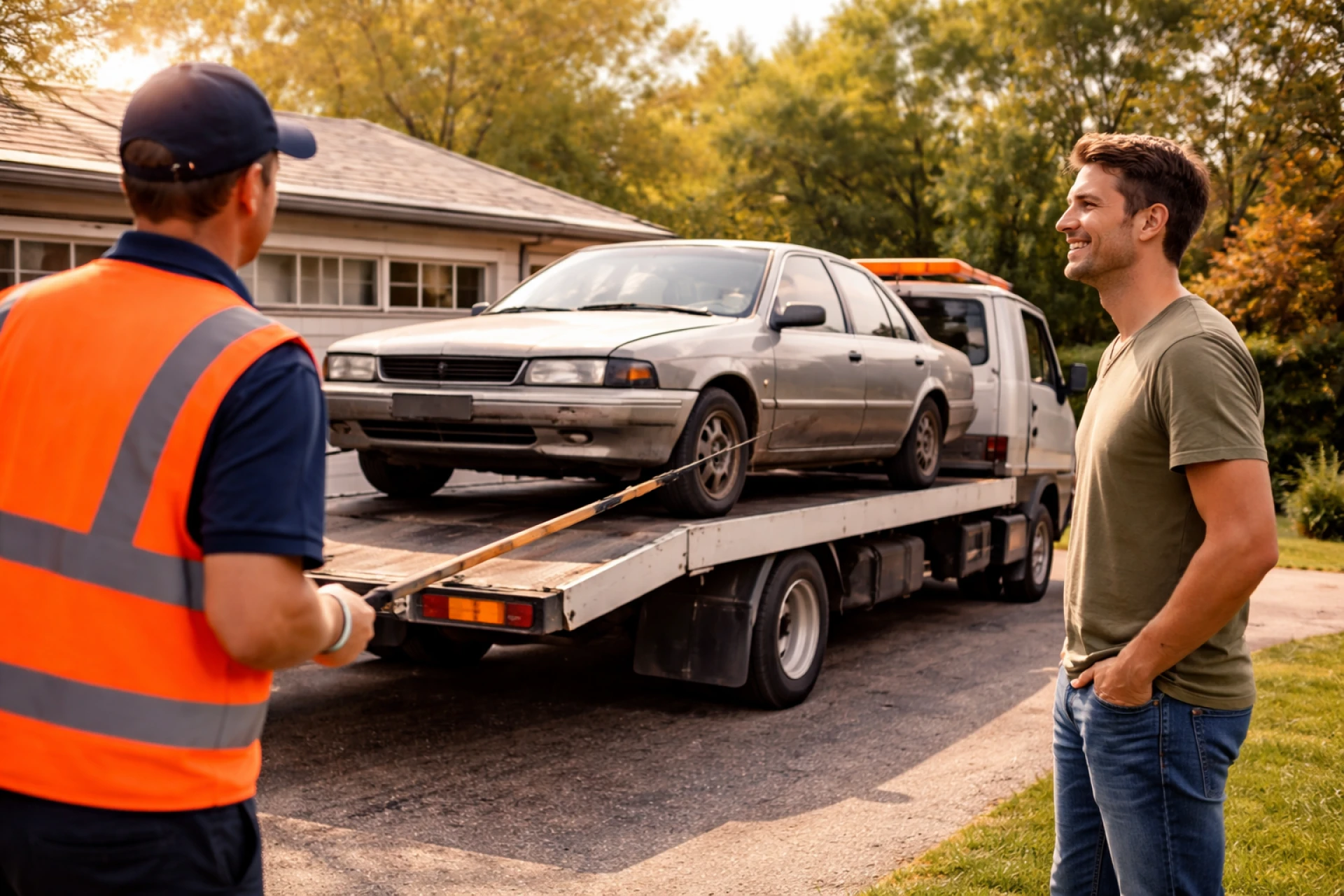
One more thing: sellers often start here because the removal step is urgent. I was comparing quotes for car removal for cash, but what mattered just as much was where the car would end up after the truck left.
When recycling makes more sense: complete cars with salvageable parts
If a vehicle is largely complete, recycling tends to be the more sensible pathway—especially if it’s a common make and model. Even when a car is unroadworthy, it can still hold plenty of usable parts: doors, lights, mirrors, alternators, starters, wheels, interior trims, modules, and sometimes engines or gearboxes if the failure is elsewhere.
This is where the operator’s questions suddenly make sense. If they ask whether it has wheels, whether it rolls, whether the catalytic converter is present, or whether the panels are intact, they’re trying to estimate the parts-recovery side of the equation. A car with light damage or mechanical issues might be worth dismantling carefully, because the parts can be tested and reused. That reuse is the quiet workhorse of waste reduction—one working component reused is one less newly manufactured component that needs raw materials, transport, and packaging.
Recycling is also the path that usually starts with depollution: fluids removed, battery handled, and any hazardous bits dealt with before dismantling. That sequence isn’t optional if the operator is running a compliant process. It’s also why recycling-focused yards can be picky about access and safety conditions: they’re planning for controlled handling, not just a quick tow.
For anyone disposing of a complete older car that still has recognisable value as parts, recycling tends to line up better with automotive sustainability. It’s not a lofty concept; it’s simply the practical idea that you recover use first, then recover materials, and only then process what’s left.
When scrapping is the better fit: incomplete, heavily damaged, or high-effort vehicles
Scrapping becomes the better fit when the car is essentially past the point where parts recovery is worthwhile. That doesn’t always mean “old”. It can mean:
- Severe collision damage where the structure is twisted and dismantling is slow
- Fire damage or flood contamination where parts aren’t reliable or safe
- Missing components (wheels, battery, major drivetrain parts, catalytic converter)
- Heavy rust that makes removal unsafe or parts unusable
- Abandoned vehicles where condition is unknown and time matters more than precision
In these cases, the vehicle is often assessed as a straight materials job. The value is driven more by weight and metal recovery than by component resale. That can still be a responsible outcome—scrapping doesn’t have to mean “dumping”. A proper scrap process still involves depollution and controlled handling; it just doesn’t spend as much labour time pulling reusable components.
This is also where sellers need to be realistic about the quote. If a car is incomplete or difficult to access, the towing and handling cost becomes a bigger part of the equation. A clean, easy pickup is one thing. A vehicle wedged in a tight basement space, locked, without wheels, is another.
I’ve seen people try to maximise money by stripping parts before sale, but it often backfires. Once a car becomes incomplete, it can slide more quickly into the scrap category and attract lower offers. If your goal is a smooth sale, it’s usually smarter to be upfront about what’s missing rather than trying to “optimise” it at the last minute.
If the vehicle is clearly in scrap territory, choosing car scrapping is often the fastest way to match the car’s condition with the right processing route—less back-and-forth, fewer conditional quotes, and fewer delays.
A simple way I’d choose again: match the pathway to the condition
After weighing it up, I stopped thinking in labels and started thinking in outcomes. Here’s the filter I’d use again:
Choose recycling-first when:
- The car is complete (or close to it)
- Damage is moderate, and parts are likely reusable
- The model is common enough that parts demand is likely
- You want a process that includes depollution + parts recovery + materials separation
Choose scrapping-first when:
- The car is heavily damaged, contaminated, or structurally compromised
- It’s missing key parts, heavily rusted, or a non-viable dismantle job
- Access and time make a detailed dismantle unrealistic
- You mainly need quick clearance and straightforward processing
This is also where location comes into play. If you’re selling in Melbourne, the pickup and processing chain can be more direct because more yards and carriers operate locally. That doesn’t mean regional sellers are stuck, it just means distance can influence which pathway is economical.
For me, the “right” choice wasn’t about chasing the highest number. It was about aligning the car’s condition with an operator that could actually process it properly. When the condition matched the pathway, everything went smoothly: quote accuracy improved, pickup was easier, and the car moved into a controlled recovery process rather than becoming someone else’s problem.
That’s the practical reason end of life vehicle recycling matters: it’s a set of steps that makes the outcome cleaner, safer, and more efficient—whether the car is dismantled for parts or sent straight toward material recovery.



























Sign in to leave a comment.