

Speed is crucial in agile software development. Features are built, tested, and deployed in quick iterations, which creates frequent changes to the code. Agile methodologies promote the innovation process but this iterative process introduces more chances to introduce bugs. That's why regression testing in agile is important to ensure that new changes do not break existing functioning features.
Regression testing allows agile teams to maintain stability in their product while working at speed. By engaging QA early, automating tests, and applying risk-based testing techniques teams are able to release reliable high-quality software without sacrificing speed.
Why Regression Testing in Agile Matters
When a developer releases a new feature, fixes a bug, or changes code, there is always a risk of breaking something that already existed. This risk is magnified in agile projects since everything is changing continuously.
Regression testing makes it possible to do the aforementioned actions, while also ensuring that nothing new negatively affects the existing functionalities of the system. This is a focused effort on ensuring the core functionalities of the system are tested again before any new changes. If any bugs are also paired with tracking bugs efficiently, issues will be caught early on before going into production.
Building an Effective Regression Testing Strategy
An agile regression testing strategy is all about balancing speed and quality. The goal is to test efficiently without hindering development. Here’s how to build one:
1. Feature Selection:
Start by identifying critical features or workflows that users rely on most. These should always be part of your regression suite — especially high-traffic or complex areas that are more prone to failure.
2. Prioritization:
Not all tests are equally important. Prioritize tests for components that have been recently updated or are likely to be affected by the latest changes. This ensures you’re testing what matters most.
3. Frequency of Testing:
In agile, testing should be continuous. Run selective regression tests after each code commit and full regression tests at the end of every sprint.
4. Test Coverage:
Your regression suite should cover key system areas without being bloated. An optimized suite improves both speed and effectiveness.
When to Run Regression Tests
In agile projects, regression testing continuously should be run every time a significant change to the code is made, a significant feature is added, or a bug is fixed. Running regression tests as part of a CI/CD pipeline will give you immediate and continuous quality feedback.
Manual vs. Automated Regression Testing
Manual Testing:
Manual regression testing is appropriate for minor updates or complex features that require human judgment. However, it is time-consuming and prone to error, making it less feasible for larger applications.
Automated Testing:
For fast-moving teams that practice agile development, automation is necessary. Automated regression tests can be executed as frequently and as consistently as needed, providing quick feedback in comparison to manual test execution while improving accuracy and confidence in your test results. There are many scenarios in automated regression testing where time is saved by eliminating repetitive work and the artificial limitations of test coverage, allowing you to retain an introduction of automated tests in your agile development environment.
Agile QA Best Practices to Minimize Bugs
1. Early QA Involvement
Include QA engineers in sprint planning. This ensures that testing requirements are understood early and quality is built into the process from day one. Shared responsibility for quality among developers, testers, and product owners leads to fewer surprises later.
2. Collaboration Across Teams
Strong collaboration between developers, QA, and product managers is vital. It ensures better communication, faster bug resolution, and smoother releases.
3. Automate from the Start
Set up automated regression tests early in the project. With every new code commit, automated pipelines can validate stability and functionality instantly. This provides continuous feedback and speeds up releases.
4. Continuous Maintenance & Test Refactoring
As your application evolves, so should your test suite. Remove redundant or outdated tests, refactor fragile ones, and keep your suite lean and relevant.
5. Risk-Based Testing
Not all regression tests need to run every sprint. Focus on areas where failure would have the biggest impact. This targeted approach saves time while maintaining quality.
Conclusion
It can be difficult to maintain quality without slowing down in fast-paced agile development, but implementing a proper regression testing strategy will make it happen. The combination of early QA involvement, teamwork, guesswork, and continuing to optimize your suite, means you can build with confidence on every change.
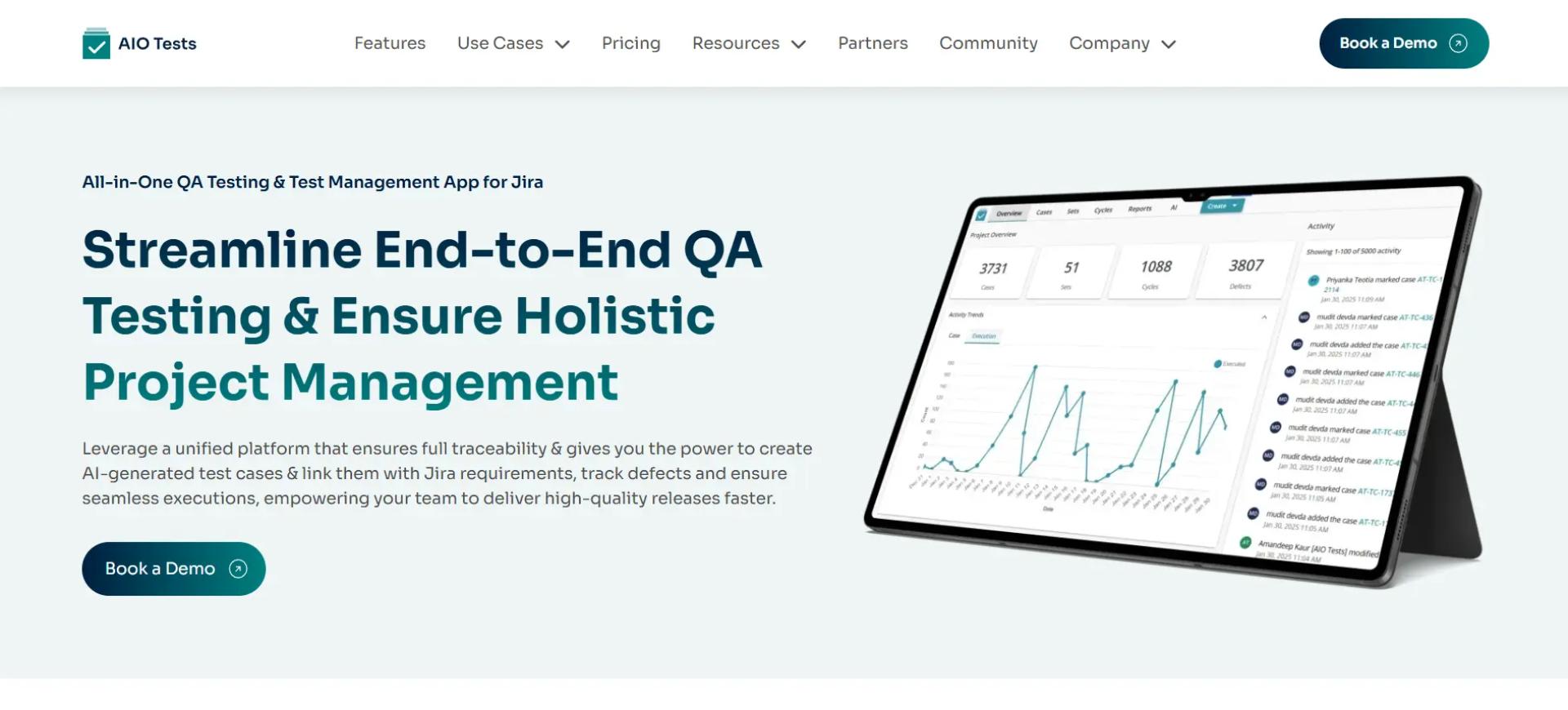
To take it one step further, tools like AIO Tests help make regression testing in agile a breeze. It’s AI-powered and helps teams automate regression runs, track back the results and most importantly, moves the needle on new releases and overall quality in the products.
The smart automation and reliable analytics from AIO Tests empower agile teams to spend less time, assure accuracy and deliver software that’s both timely and perfect. Book a Demo Now !





























Sign in to leave a comment.