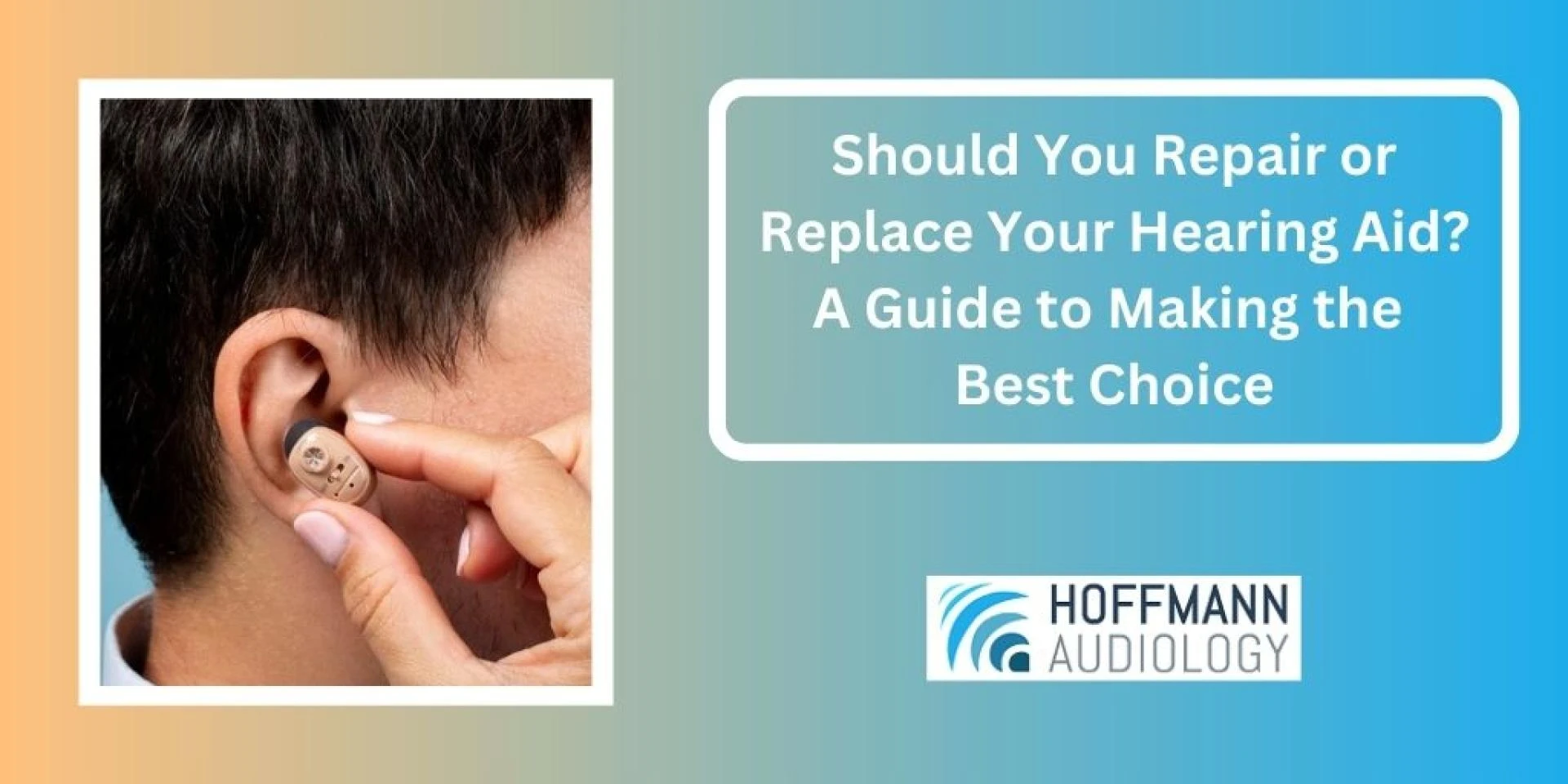

If you rely on hearing aids to navigate your daily life, you probably already know how much of a difference they make—whether it's enjoying a chat with loved ones, catching the punchline of a joke, or simply hearing the birds chirping in the morning. But what happens when your hearing aid starts acting up?
Maybe the sound cuts in and out. Maybe it’s not as clear as it used to be. Or maybe it's just... not working. When that happens, you’re left with a big question: should you repair your current hearing aid, or is it time to replace it altogether?
Let’s walk through this together and look at the key things to think about before you make that decision.
When a Repair Might Be the Smart Move
Not every issue means the end of the road for your hearing aid. Sometimes, a quick fix is all you need.
✅ Small, Fixable Problems
If the issue is something minor—like wax buildup, weak sound, or a broken tube—repairs can be easy and affordable. You might even be able to handle some of it with a cleaning kit or a visit to your hearing specialist.
✅ Your Warranty’s Still Good
Is your hearing aid still under warranty? Great news. Many repairs could be fully or partially covered, which makes going the repair route a no-brainer.
✅ It’s a Relatively New Device
If your hearing aid is only a couple of years old and it’s been serving you well, repairing it may be all you need to get back to hearing clearly. A small fix can give it a few more solid years of life.
✅ You Like How It Fits and Feels
Let’s face it—once you’ve gotten used to the comfort and sound of your device, it’s hard to start over. Repairs allow you to stick with something familiar that already fits your ears and your lifestyle.
When It’s Probably Time to Replace
Sometimes, though, hanging on to your old hearing aid just isn’t worth the trouble.
❌ It’s Getting Up There in Age
Hearing aids don’t last forever. Most have a lifespan of about 3 to 7 years. If yours is in that range and you’re starting to notice more frequent problems, it might be time for an upgrade.
❌ You’re Paying for Repairs Over and Over
Constantly repairing your hearing aid is not just frustrating—it adds up. If you’re spending more time at the repair shop than actually enjoying your hearing aid, it might be more cost-effective (and less stressful) to invest in a new one.
❌ Your Hearing Has Changed
Hearing loss isn’t always static. If your needs have changed and your current device can’t keep up—no matter how well it’s working mechanically—it might be time to explore other options that suit your current hearing profile.
❌ You’re Missing Out on New Features
Technology has come a long way. Modern hearing aids offer features like Bluetooth connectivity, rechargeable batteries, better noise filtering, and more natural sound processing. If your device is lacking those and it’s affecting your day-to-day experience, an upgrade could make a big difference.
What About the Cost?
Of course, cost matters. Repairs are usually cheaper upfront, especially if the damage is minor. But if you’re constantly shelling out money to keep an older hearing aid running—or if it’s not meeting your needs anymore—the price of a replacement might be worth it in the long run.
When comparing options, consider:
- How much will the repair cost?
- Is it covered under warranty?
- What would a new device offer that my current one doesn't?
It’s also worth talking to your hearing care provider—they can help break down the costs and walk you through your options.
One More Thing to Think About...
This decision isn’t just about technology—it’s about your quality of life. Ask yourself:
- Can I hear well enough in the environments I spend the most time in?
- Is my device comfortable and reliable?
- Am I feeling frustrated more often than not?
Your hearing aids should support your life, not add stress to it. Sometimes a quick fix is all you need, and other times, starting fresh can feel like a whole new lease on life.
The Bottom Line
At the end of the day, the choice between repairing and replacing your hearing aid comes down to your personal situation—how old your device is, how well it’s working, and what you need from it going forward.
Don’t feel like you have to make the call alone. Your hearing care professional is there to guide you, and together, you can make a plan that works best for you.
Disclaimer: Please note that this information is for educational purposes only. There is no patient-doctor relationship established. Please consult your healthcare provider for individualized recommendations.

























Sign in to leave a comment.