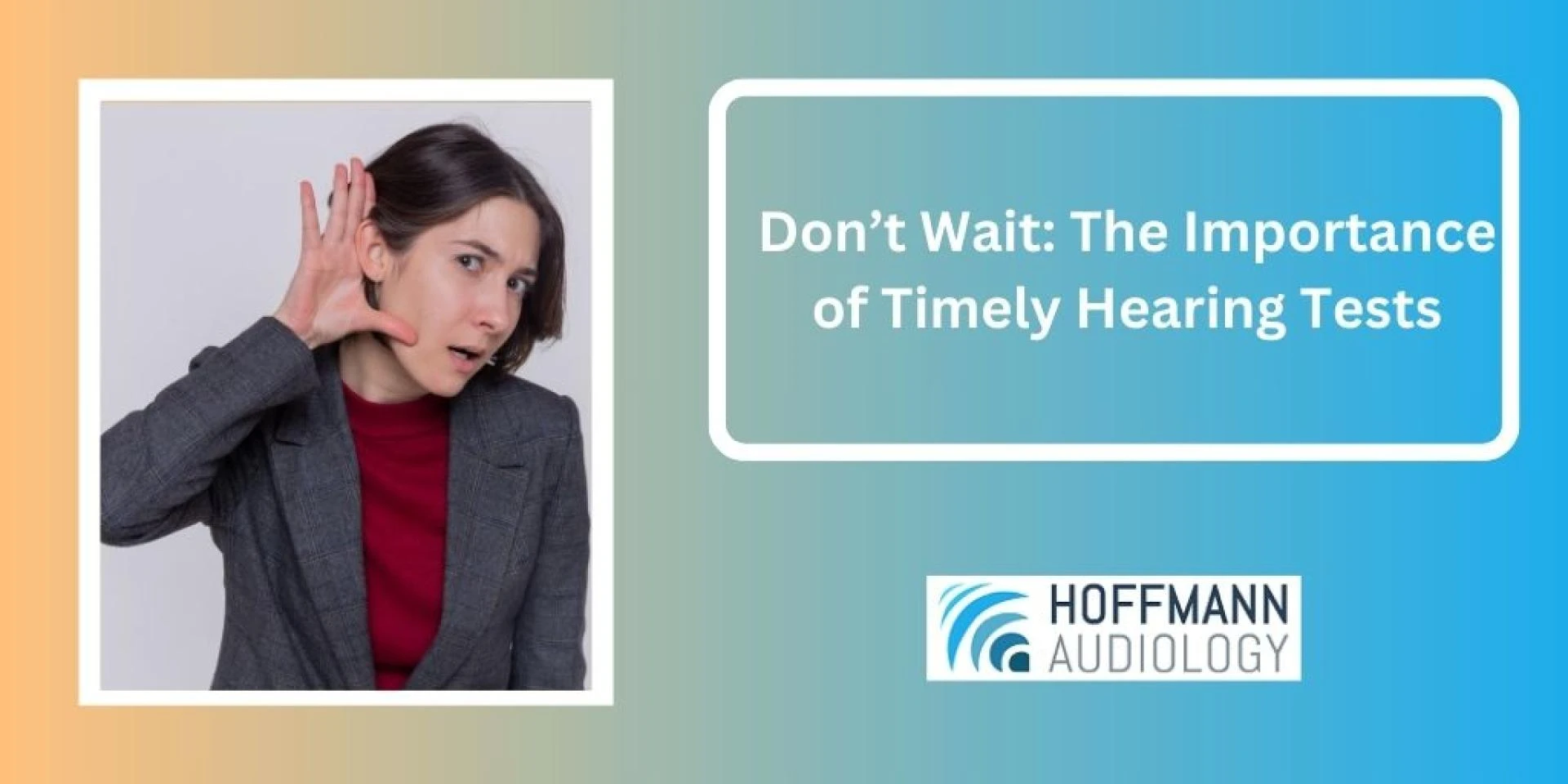

Hearing health is an essential yet often overlooked aspect of overall well-being. While many individuals regularly schedule annual check-ups, dental appointments, and vision screenings, hearing evaluations are frequently postponed or neglected altogether. Unfortunately, delaying a hearing assessment can lead to more than just missed conversations - it may have a significant impact on one’s emotional, cognitive, and social health.
Timely hearing evaluations offer valuable insights into auditory function and can help identify early signs of hearing loss before they become more severe. Here’s why scheduling a hearing test should be a priority rather than an afterthought.
Hearing Loss Often Develops Gradually
Unlike sudden changes in vision or dental pain, hearing loss frequently occurs slowly over time. This gradual decline can make it difficult for individuals to notice that their hearing has deteriorated. Common early signs - such as difficulty understanding speech in noisy environments, frequently asking others to repeat themselves, or increasing the volume on devices - may be dismissed as normal or situational.
However, without professional assessment, these early indicators can go unaddressed. A hearing evaluation allows for the early detection of subtle hearing issues, enabling timely intervention and reducing the risk of further decline.
Delayed Action Can Affect Mental Health
The ability to hear plays a critical role in social connection and daily communication. When hearing becomes impaired, individuals may begin to withdraw from social activities out of frustration or embarrassment. Over time, this social isolation can contribute to mental health challenges such as depression, anxiety, and increased stress.
Regular hearing evaluations help maintain communication abilities and social engagement, both of which are vital for psychological well-being. Identifying hearing loss early can support better coping strategies and improve overall quality of life.
Hearing Health and Cognitive Function Are Closely Linked
There is a growing body of research linking untreated hearing loss to cognitive decline. Several studies suggest that individuals with hearing impairment are at a higher risk of developing memory problems and even dementia. One potential explanation is that the brain must work harder to process degraded sound signals, leaving fewer cognitive resources available for other mental tasks.
By addressing hearing issues early through evaluations and appropriate follow-up care, it may be possible to preserve cognitive function and reduce the risk of future complications.
Communication Difficulties Can Strain Relationships
Clear communication is the foundation of healthy personal and professional relationships. When hearing loss is left undiagnosed, misunderstandings and miscommunications can become frequent, leading to tension and frustration. This may cause friends, family members, or colleagues to feel ignored or misunderstood.
Undergoing a hearing evaluation and addressing hearing loss promotes clearer, more effective communication and helps preserve strong, respectful relationships.
Essential Sounds Shouldn’t Be Missed
Everyday sounds - such as birdsong, laughter, music, or even simple conversations - enrich life experiences. With gradual hearing loss, these sounds may fade without the individual realizing it. Regular hearing evaluations ensure that auditory changes are identified early, so that corrective measures can be taken to restore or protect access to these important aspects of daily life.
Hearing Evaluations Are Straightforward and Non-Invasive
A hearing evaluation is a simple, quick, and non-invasive procedure that typically involves a review of medical history and a series of hearing tests. These may assess one’s ability to detect different pitches, volumes, and speech clarity in various listening environments.
The process is typically completed within an hour and can provide immediate insights into your current hearing status. There is no pain or discomfort involved, making it a practical addition to your overall health check-up routine.
Early Detection Leads to More Effective Outcomes
The earlier hearing loss is identified, the more effective the available interventions can be. When hearing impairment is addressed promptly, individuals often experience better outcomes in terms of communication, comfort, and overall adjustment to treatment options.
In contrast, postponing evaluation may allow the condition to progress unchecked, potentially reducing the effectiveness of later interventions and making adjustment more challenging.
Hearing Health Reflects Overall Health
Hearing is interconnected with other systems in the body. Chronic conditions such as diabetes, cardiovascular disease, and hypertension have all been associated with an increased risk of hearing loss. A routine hearing evaluation may help uncover underlying health concerns or highlight the need for broader lifestyle changes to support overall wellness.
Conclusion
Neglecting hearing health can have far-reaching consequences, from impaired communication and strained relationships to increased risks for mental and cognitive health issues. Fortunately, regular hearing evaluations offer a straightforward, proactive way to monitor and protect this essential sense.
Whether you are experiencing noticeable symptoms or simply wish to take a preventive approach to your well-being, scheduling a hearing evaluation is a worthwhile step. It not only supports better hearing but also contributes to a more engaged, connected, and fulfilling life.
Disclaimer: Please note that this information is for educational purposes only. There is no patient-doctor relationship established. Please consult your healthcare provider for individualized recommendations.




























Sign in to leave a comment.