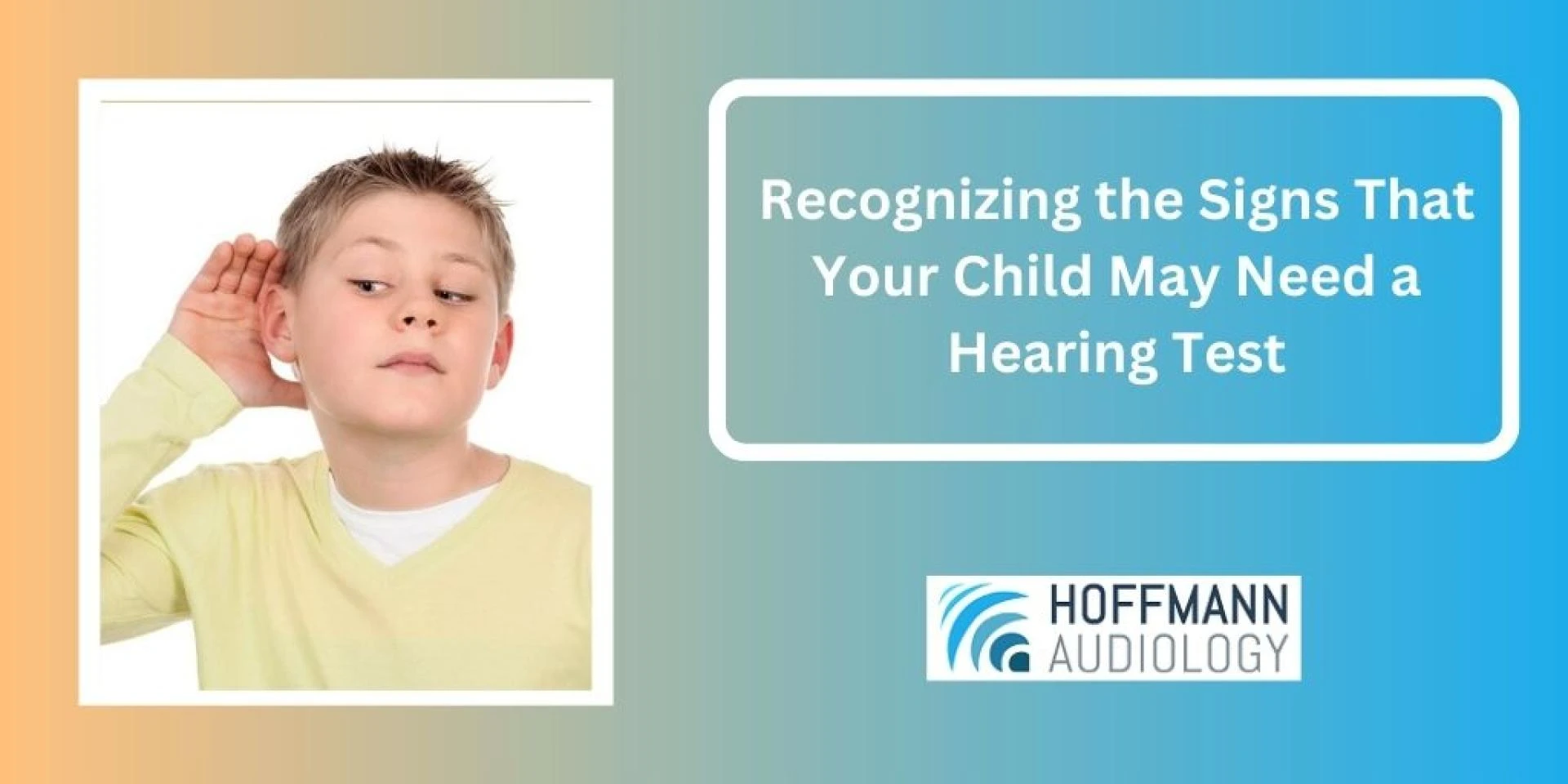

As a parent, ensuring your child’s health and development is a top priority. One crucial aspect that often goes unnoticed is their hearing ability. Hearing loss in children can impact speech development, learning, and social interactions. Identifying the early signs of hearing difficulties can help ensure timely intervention and support. This guide will help you understand when to seek a hearing test for your child.
The Importance of Hearing Tests for Children
Hearing is fundamental to a child’s language and cognitive development. Even mild hearing impairments can affect communication skills and academic performance. Regular hearing assessments can detect issues early, allowing for appropriate interventions that can significantly improve a child’s quality of life.
Hearing problems in children can result from various causes, including genetic conditions, frequent ear infections, exposure to loud noises, or birth complications. Early detection through routine screenings ensures that any potential hearing challenges are addressed promptly.
Common Indicators of Hearing Issues in Children
Hearing impairments may present differently depending on the child’s age. Below are key signs to be aware of:
Indicators in Infants (0–12 months)
- Lack of response to loud noises
- Absence of reaction when their name is called by six months
- Limited reaction to familiar voices
- No engagement with musical or rhythmic sounds
- Delayed onset of babbling or cooing
Indicators in Toddlers (1–3 years)
- Limited vocabulary or delayed speech development
- Frequently asking "What?" or "Huh?" when spoken to
- Difficulty following simple verbal instructions
- Appearing inattentive or unresponsive to sounds
- Turning up the volume excessively on television or devices
Indicators in Older Children (4+ years)
- Difficulty keeping up with conversations, especially in noisy settings
- Struggles with pronunciation or frequent mispronunciations
- Repeatedly asking others to repeat themselves
- Signs of frustration or withdrawal in social situations
- Academic difficulties, particularly in language-based subjects
- Complaints of ear pain, ringing, or discomfort
If you observe any of these symptoms, it may be advisable to consult a professional for a hearing evaluation.
What Happens During a Hearing Test?
A pediatric audiologist or an ear, nose, and throat (ENT) specialist can conduct a hearing test tailored to your child's age and developmental level. Common hearing tests include:
- Otoacoustic Emissions (OAE) Test – Measures inner ear response to sound; commonly used for infants.
- Auditory Brainstem Response (ABR) Test – Evaluates auditory nerve and brain responses to sound.
- Pure-Tone Audiometry – Determines hearing ability across different frequencies and volumes; used for older children.
- Speech Audiometry – Assesses the ability to hear and understand spoken words at different volumes.
These evaluations help professionals determine the severity of any hearing impairment and recommend appropriate next steps.
Steps to Take if Your Child Has Hearing Loss
Receiving a diagnosis of hearing loss can be overwhelming, but early intervention can make a significant difference. Consider the following steps:
- Consult with an Audiologist – A specialist can recommend suitable hearing aids or other assistive devices.
- Enroll in Speech Therapy – Helps develop communication skills in children with hearing impairments.
- Consider Hearing Aids or Cochlear Implants – These devices can enhance hearing and improve quality of life.
- Create a Supportive Environment – Providing visual cues, clear communication, and a structured learning space can help children navigate hearing challenges effectively.
Preventing Hearing Problems in Children
While not all hearing issues are preventable, certain measures can protect your child’s hearing health:
- Limit exposure to excessively loud noises, such as loud music, fireworks, or noisy toys.
- Seek prompt medical attention for ear infections to prevent complications.
- Ensure regular pediatric check-ups that include hearing screenings.
- Encourage safe listening habits, especially when using headphones or earbuds.
Final Thoughts
A child’s ability to hear is vital for their overall development and well-being. By staying vigilant and recognizing potential signs of hearing difficulties, parents can take proactive steps to seek appropriate care. If you suspect your child may have hearing loss, scheduling a professional hearing test is the best course of action. Early diagnosis and intervention can pave the way for a successful and fulfilling future.
Disclaimer: Please note that this information is for educational purposes only. There is no patient-doctor relationship established. Please consult your healthcare provider for individualized recommendations.





























Sign in to leave a comment.