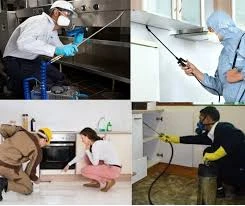

Residential pest control services play a crucial role in maintaining a safe and healthy living environment. Choosing a professional exterminator can effectively eliminate pests and prevent future infestations, safeguarding homes and families. Many homeowners face challenges with common pests such as ants, roaches, and rodents, which can cause both property damage and health risks.
Exterminators utilize a range of techniques and products tailored to target specific pest issues. This expertise not only leads to successful pest removal but also ensures that treatments are safe for residents and pets. Understanding the importance of professional pest control helps homeowners make informed decisions about keeping their spaces pest-free.
The benefits of residential pest control extend beyond immediate relief. Regular services can create a proactive approach to pest management, saving homeowners time and money in the long run. Investing in pest control services can provide peace of mind and enhance the quality of living in a home.
Understanding Exterminator Solutions
Exterminator solutions address specific pest issues in residential settings. This section will explore the types of pests commonly encountered, effective pest control methods, and how to select the right pest control service.
Types of Residential Pests
Residential properties often face various pest challenges. Common pests include:
- Ants: Known for invading kitchens and outdoor areas.
- Termites: They cause significant structural damage by feeding on wood.
- Cockroaches: Associated with unsanitary conditions and health risks.
- Rodents: These include mice and rats that contaminate food and can damage property.
- Bed Bugs: Difficult to eradicate and can lead to sleepless nights.
Understanding these pests helps homeowners identify and report infestations promptly.
Common Pest Control Methods
Pest control methods can vary, depending on the type of pest and severity of the infestation. Some common strategies include:
- Chemical Treatments: Pesticides and insecticides target specific pests effectively.
- Baiting Systems: These attract and kill pests and are suitable for ants and termites.
- Trapping: Useful for rodents and larger pests, involving various types of traps.
- Exclusion: Sealing entry points prevents pests from entering the home.
- Integrated Pest Management (IPM): This approach combines multiple methods for effective control without solely relying on chemicals.
Homeowners should consider their preferences and any safety concerns when choosing a method.
Choosing the Right Pest Control Service
Selecting a pest control service requires careful consideration. Homeowners should look for:
- Experience: Seek a company with a proven track record in residential pest control.
- Licensing and Insurance: Verify that the service providers are licensed and insured for protection.
- Methods Used: Inquire about the types of treatments they offer and their safety.
- Customer Reviews: Read testimonials to gauge the effectiveness and reliability of the service.
- Guarantees: A reputable service often provides assurances for their work.
Taking these factors into account can lead to successful pest management solutions.
Implementing Effective Pest Management
Effective pest management involves a combination of preventative measures, professional techniques, and safety precautions. Each component plays a crucial role in keeping residential spaces pest-free.
Preventative Measures for Homeowners
Homeowners can implement several preventative measures to reduce the likelihood of pest infestations.
- Seal Entry Points: Inspect doors, windows, and cracks in walls. Use caulk or weatherstripping to close gaps.
- Maintain Cleanliness: Regularly dispose of food waste and keep surfaces clean. Pests are attracted to food scraps and clutter.
- Landscaping Maintenance: Trim shrubs and trees away from the home’s exterior. This minimizes the risk of pests entering the house.
By conducting routine inspections and maintaining high standards of hygiene, homeowners can significantly decrease the chances of pest issues.
Professional Extermination Techniques
When infestations occur, professional exterminators provide effective solutions that may include:
- Chemical Treatments: These involve the use of pesticides specifically formulated for various pests. Application can target areas where infestations are most severe.
- Baiting Systems: Professionals set up traps that lure and eliminate pests. These systems are particularly useful for rodents and termites.
- Heat Treatments: This method involves raising the temperature of infested areas to eliminate pests harmlessly.
Professional services often assess the situation before determining the best approach, ensuring that methods suit the specific pest and environment.
Safety Considerations in Pest Control
Safety is paramount during pest management. Homeowners and professionals must consider the following:
- Proper Use of Chemicals: Follow label instructions meticulously. Incorrect usage can pose health risks to humans and pets.
- Protective Gear: Exterminators should wear gloves, masks, and goggles during treatment applications. This minimizes exposure to harmful substances.
- Ventilation: Ensure areas being treated are well-ventilated. This is crucial when using chemical pesticides to avoid inhalation.
Implementing these safety protocols helps protect residents and ensures the effectiveness of pest control strategies.





















Sign in to leave a comment.