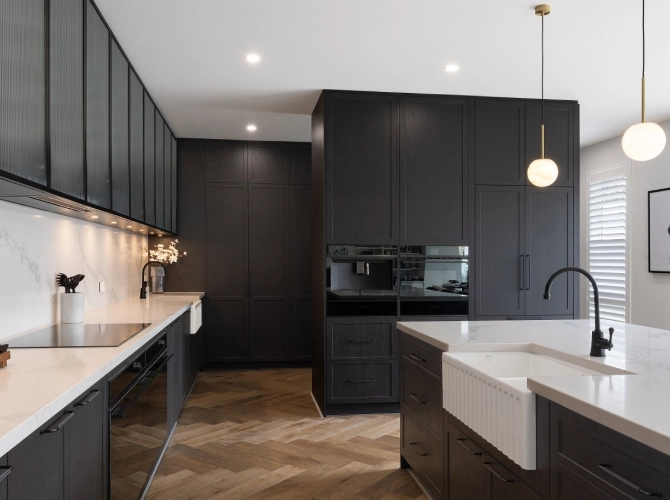

Home renovation is more than just updating walls and flooring; it’s about creating spaces that reflect your personality, optimise functionality, and add value. One often overlooked element in residential upgrades is carpentry. Thoughtful carpentry work—from built-in furniture to custom cabinetry—can transform your home’s style, enhance storage solutions, and improve overall comfort. Whether you’re planning a small room makeover or a full-scale residential renovation in Sydney, understanding the role of carpentry can make a significant difference.
In this article, we explore practical tips, design ideas, and expert insights on using carpentry to elevate your home’s style.
Why Carpentry Matters in Residential Renovation
Carpentry is more than constructing cabinets or installing doors; it is the foundation of well-designed spaces. Skilled carpenters consider both aesthetics and functionality, ensuring that each element complements the home’s architecture while providing practical solutions.
Key benefits of incorporating carpentry into renovations include:
- Customisation: Carpentry allows homeowners to design furniture, shelves, and storage that perfectly fit their space.
- Durability: Well-crafted timber and joinery work last longer than mass-produced alternatives.
- Aesthetic Appeal: Quality carpentry enhances the visual appeal of a home through details like mouldings, trims, and finishes.
- Optimised Space: Clever storage solutions, such as built-in cupboards, wall units, and multifunctional furniture, maximise available space, especially in smaller Sydney homes.
Carpentry work is versatile and can be tailored to any style—from contemporary minimalism to classic heritage interiors.
Planning Your Residential Renovation
Before any tools are lifted or timber cut, planning is crucial. Renovations are more effective when guided by a clear vision, functional layout, and realistic budget.
1. Define Your Goals
Start by identifying the purpose of the renovation. Are you aiming for:
- Increased storage? Built-in wardrobes and shelving units are carpentry solutions that optimise space.
- Updated aesthetics? Custom furniture, feature walls, and timber finishes can modernise your home.
- Better functionality? Kitchen islands, study nooks, or multi-purpose rooms enhance usability.
Knowing your goals will guide decisions on materials, design, and scale of work.
2. Budget and Materials
Carpentry options vary in cost depending on timber type, complexity, and finish. Common Australian timbers include:
Timber Types and Their Uses
• Tasmanian Oak
- Light in colour, durable, and easy to finish
- Commonly used for: flooring, cabinetry, mouldings
• Blackbutt
- Hard, robust, and naturally fire-resistant
- Commonly used for: flooring, staircases, outdoor furniture
• Jarrah
- Distinct deep red tone and highly durable
- Commonly used for: feature furniture, timber wall panels
• Pine (Radiata)
- Affordable, soft, and highly versatile
- Commonly used for: shelving, cupboards, interior trim
Selecting appropriate timber or engineered wood can impact both cost and longevity. Additionally, finishes like stains, oils, or paints influence the final appearance, allowing homeowners to match modern, rustic, or traditional interiors.
Key Carpentry Tips for Renovating Your Home
Carpentry offers endless possibilities to elevate the style and functionality of your home. Here are practical tips to guide your renovation journey:
1. Embrace Built-In Storage
One of the most effective ways to optimise space is by using built-in storage. In compact Sydney homes, this is essential.
- Custom wardrobes: Floor-to-ceiling wardrobes use every inch efficiently. Sliding doors save room while hinged doors create a classic aesthetic.
- Kitchen cabinetry: Bespoke cabinets can hide appliances, create pantry space, and integrate unique design elements like wine racks or pull-out drawers.
- Living room units: Wall-mounted entertainment units with shelving provide storage without overcrowding the room.
Built-ins not only increase storage capacity but also offer a seamless, polished look. They integrate into the home’s structure rather than sitting as standalone furniture pieces.
2. Focus on Joinery Details
Joinery refers to how wood pieces are connected, which can make or break the visual appeal and structural integrity of furniture and fittings.
- Mitred corners: Offer a sleek, modern finish ideal for cabinets and shelving.
- Tongue and groove panels: Common in wall panelling and flooring, providing a classic and uniform look.
- Dovetail joints: Strong and visually appealing, suitable for drawers and quality furniture.
Attention to joinery details ensures durability while enhancing aesthetic value. A drawer that slides smoothly or a cabinet that fits perfectly is a subtle, yet impactful, hallmark of expert carpentry.
3. Highlight Feature Walls and Timber Accents
Feature walls with timber panels or decorative mouldings create focal points without overwhelming the space.
- Accent panels: Timber slats or cladding in living rooms, bedrooms, or hallways add texture and warmth.
- Decorative trims: Crown mouldings, skirting boards, and door frames enhance visual depth.
- Ceiling beams: Exposed timber beams can complement modern or rustic interiors.
Feature walls or accents also allow flexibility; they can be subtle or bold depending on your style preferences.
4. Incorporate Multi-Functional Furniture
With space at a premium, especially in apartments or terraces, multi-functional furniture is a game-changer. Carpentry allows for bespoke solutions such as:
- Storage beds: Drawers or lift-up storage integrated into the bed frame.
- Fold-out desks or tables: Ideal for small home offices or dining areas.
- Hidden shelving units: Concealed behind doors or panels to maintain a clean aesthetic.
Such furniture improves both organisation and design, making the home feel spacious and clutter-free.
5. Update Doors, Windows, and Trim
While often overlooked, doors, windows, and trim influence a home’s style significantly.
- Custom doors: Solid timber or panelled doors enhance visual impact and add character.
- Window framing: Timber frames, shutters, or sills can complement interior design while providing insulation benefits.
- Skirting boards & architraves: These finishing touches frame spaces elegantly and hide gaps between walls and floors.
Even minor carpentry upgrades to trim or door frames can dramatically elevate a home’s style.
6. Choose Sustainable and Eco-Friendly Options
Modern renovations increasingly consider sustainability. Carpentry can contribute in multiple ways:
- Reclaimed timber: Using salvaged wood reduces environmental impact and adds unique character.
- Sustainably sourced wood: FSC-certified timber ensures responsible forestry practices.
- Low-VOC finishes: Reduce indoor air pollution while maintaining timber aesthetics.
Eco-friendly carpentry not only benefits the environment but also aligns with the growing trend of conscious home design in Sydney.
7. Focus on Lighting and Shelving Integration
Carpentry can integrate lighting and shelving to enhance both utility and style.
- Under-cabinet lighting: Provides functional light in kitchens and workspaces.
- Backlit shelving: Highlights display areas in living rooms or studies.
- Floating shelves: Minimalist design for storing or displaying items while maintaining clean lines.
Proper integration of lighting with carpentry enhances the ambiance and practicality of the space.
Common Mistakes to Avoid in Carpentry-Based Renovations
Even with careful planning, certain mistakes can reduce the impact of your renovation.
- Ignoring measurements: Custom carpentry relies on precise measurements; inaccurate sizing leads to gaps or uneven surfaces.
- Overlooking wall structure: Installing heavy shelves or cabinets without considering wall studs can cause damage over time.
- Choosing the wrong timber: Hardwoods are durable but expensive; softwoods are affordable but prone to dents and warping. Balance style, budget, and durability.
- Skipping finishing touches: Proper sanding, staining, and sealing are essential for longevity and appearance.
Being mindful of these pitfalls ensures your renovation achieves the intended look and functionality.
Benefits of Carpentry in Sydney’s Residential Renovation Market
Sydney’s diverse housing stock—from modern apartments to heritage terraces—presents unique challenges and opportunities for carpentry. Here’s how carpentry enhances residential renovation in Sydney:
- Custom Fit for Every Home: Older homes may have uneven walls or unique architectural features. Custom carpentry allows furniture and fixtures to fit perfectly.
- Adds Value: Thoughtful, high-quality carpentry increases property value by combining aesthetics with functionality.
- Improves Space Efficiency: Built-ins, floating shelves, and multifunctional furniture maximise usable space in apartments and smaller homes.
- Reflects Personal Style: From sleek modern to rustic charm, carpentry helps bring personal vision to life.
Trending Carpentry Ideas for Home Renovation
Here are some contemporary carpentry trends seen in Sydney homes:
- Scandinavian Minimalism: Clean lines, light timber, and hidden storage for a clutter-free look.
- Industrial Chic: Timber combined with metal fixtures, exposed beams, and raw finishes.
- Heritage Revival: Restoring original timber mouldings and cabinetry in historical homes.
- Eco-Friendly Designs: Reclaimed timber shelves, recycled cabinetry, and sustainable finishes.
Staying updated with these trends allows homeowners to create stylish and functional spaces that are also timeless.
Practical Steps to Start Your Renovation
- Audit Your Home: Identify areas needing improvement or style updates.
- Set a Budget: Allocate funds for timber, finishes, and skilled carpentry work.
- Hire Skilled Carpenters: Look for professionals experienced in built-in furniture and custom joinery.
- Design & Plan: Decide on storage solutions, furniture layout, and aesthetic style.
- Material Selection: Choose timber type, finishes, and eco-friendly options.
- Execution: Ensure work is measured, levelled, and installed correctly.
- Finishing Touches: Paint, stain, or varnish, and add lighting if required.
Following these steps ensures a structured approach to residential renovation and a polished final result.
Conclusion
Carpentry is a cornerstone of effective and stylish residential renovation. From built-in storage to bespoke furniture and feature walls, quality carpentry transforms spaces, enhances functionality, and elevates aesthetics. For homeowners in Sydney, investing in well-planned carpentry solutions ensures longevity, efficiency, and a cohesive design.
Whether you’re updating a single room or conducting a full-scale residential renovation in Sydney, incorporating custom carpentry into your plan is a practical and stylish choice. Thoughtful carpentry elevates not just the space, but the way you live in it—offering comfort, elegance, and function all in one.





























Sign in to leave a comment.