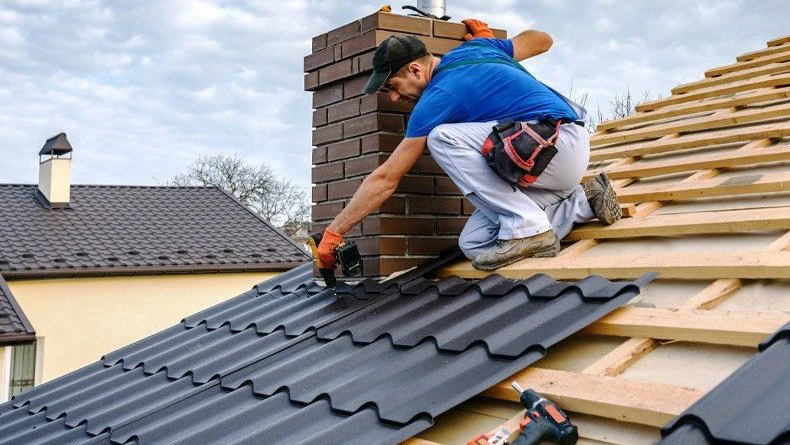

Residential Roof Repair in Peoria is an essential part of maintaining homes in this region of Arizona. The combination of prolonged heat, seasonal storms, and changing temperatures places continuous stress on roofing systems. Over time, even well-constructed roofs can develop issues that require attention. Understanding how roof repairs work and why they are necessary helps homeowners protect their property and avoid more extensive damage.
Why Residential Roof Repair Is Necessary
Roofs are designed to protect a home from external elements, but they are constantly exposed to sunlight, temperature changes, and weather events. As materials age, their ability to perform effectively can decline. Small problems may not seem urgent at first, but they often worsen when left unaddressed.
Roof repairs focus on correcting localized damage before it spreads. In many cases, timely repair can help extend the overall lifespan of the roof and reduce the risk of interior damage.
Impact of Peoria’s Climate on Roofs
Peoria’s desert climate creates unique challenges for residential roofs. Prolonged sun exposure can dry out roofing materials, making them brittle or prone to cracking. During monsoon season, sudden rainfall can expose weak areas, especially around roof penetrations and drainage points.
Wind can also play a role by shifting materials or carrying debris that causes surface damage. These factors make regular inspections especially important for homeowners in the area.
Common Residential Roofing Repair Issues
Different roofing materials experience different types of wear, but several issues are commonly found in Peoria homes.
Roof Leaks and Water Entry
Leaks are among the most frequent roofing concerns. They often occur near vents, skylights, chimneys, or where roof sections meet. Water intrusion may not always be visible right away, but it can affect insulation, ceilings, and wall structures over time.
Damaged Tiles or Shingles
Cracked, broken, or missing tiles and shingles reduce a roof’s ability to protect the underlying structure. Damage may occur due to age, impact, or shifting materials. Repairs typically involve replacing affected sections rather than large portions of the roof.
Flashing and Seal Deterioration
Flashing is used to guide water away from vulnerable areas. Over time, flashing materials can loosen, corrode, or lose their seal. Repairing or replacing damaged flashing helps prevent moisture from entering the roofing system.
How Roof Repair Assessments Are Conducted
Residential roofing repair usually begins with a detailed inspection. This process helps identify both visible damage and less obvious issues that may be developing beneath the surface. Inspectors examine roofing materials, drainage patterns, and areas that experience the most wear.
A proper assessment ensures that repairs address the cause of the problem rather than just the visible symptoms.
Situations Where Repair May Be Limited
While many issues can be resolved through repair, extensive wear or repeated damage may indicate that a roof is nearing the end of its service life. In such cases, repairs may provide only temporary relief, and homeowners may need to plan for long-term solutions.
Preventive Maintenance and Ongoing Care
Preventive maintenance is one of the most effective ways to reduce repair needs. Routine inspections, debris removal, and minor adjustments help roofs remain functional and efficient. Maintenance also allows potential issues to be identified early, when they are easier to address.
For Peoria homeowners, scheduling inspections before and after storm seasons can help minimize unexpected problems.
Learning More About Roofing in Peoria
Understanding residential roofing repair allows homeowners to better care for their property and communicate clearly with experienced professionals. Having general knowledge about roofing materials, common issues, and maintenance practices helps homeowners make informed decisions when working with Peoria Roofing specialists. Staying informed supports long-term roof performance and helps ensure residential homes remain protected over time.
























Sign in to leave a comment.