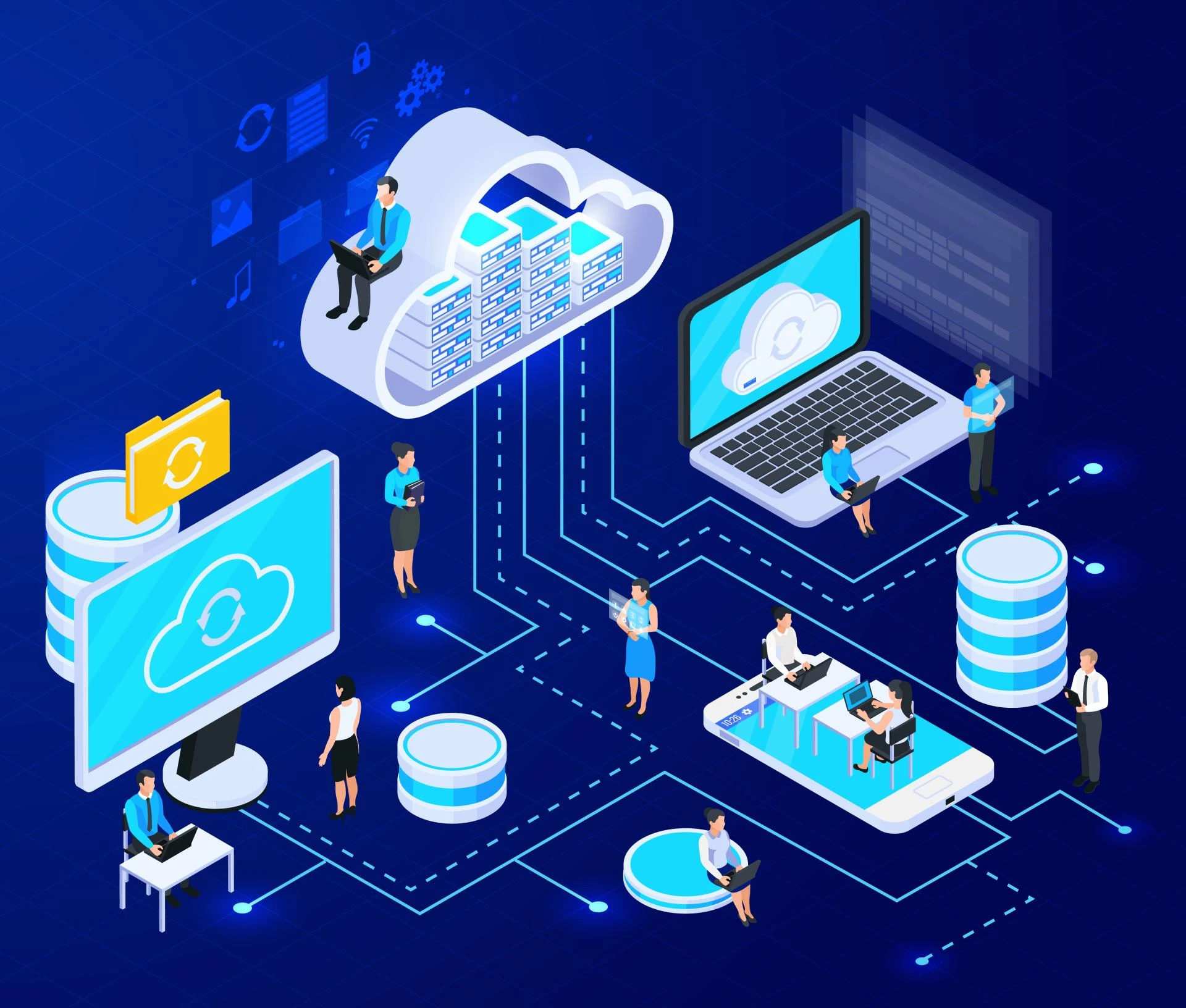
In today's fast-paced digital environment, businesses rely heavily on software as a service solutions to streamline operations and boost efficiency. SaaS integrations connect these tools, enabling data flow and process automation across platforms. Yet, without a solid foundation, these connections can falter, leading to disruptions that affect productivity and revenue.
Enterprises face unique challenges in managing SaaS integrations, from handling vast data volumes to ensuring compliance with stringent regulations. A resilient foundation addresses these issues by prioritizing stability, adaptability, and security. This approach not only minimizes downtime but also supports long-term growth as organizations scale their tech stacks.
Consider the impact of unreliable integrations: a single failure can cascade through systems, halting critical functions like customer relationship management or supply chain tracking. Building resilience starts with understanding the core elements that make SaaS integrations robust and future-proof for enterprises.

Essential Planning Steps
Start with a thorough assessment of current systems. Enterprises must evaluate existing SaaS tools, identifying compatibility gaps and potential bottlenecks. This step involves mapping out data flows and dependencies to create a clear blueprint.
Next, define integration goals aligned with business objectives. Focus on outcomes such as improved data accuracy or faster decision-making. Clear objectives guide the selection of integration methods, whether through APIs, middleware, or custom connectors.
Incorporate stakeholder input early. Teams from IT, operations, and leadership provide diverse perspectives, ensuring the foundation meets varied needs. This collaborative effort fosters buy-in and uncovers hidden requirements that could otherwise undermine resilience.
Key Components of Resilience
Security stands as a cornerstone. Robust SaaS integrations for enterprises demand encryption, access controls, and regular audits to protect sensitive data. Compliance with standards like GDPR or HIPAA further strengthens defenses against breaches.
Scalability ensures the foundation handles growth. Design integrations with modular architectures that allow easy expansion. Cloud-based solutions offer flexibility, adapting to increased loads without performance drops.
Reliability comes from redundancy and monitoring. Implement failover mechanisms and real-time alerts to detect issues promptly. Automated testing routines verify integration health, preventing minor glitches from escalating.
Best Practices for Implementation
Choose the right tools wisely. Platforms like Zapier or MuleSoft simplify connections, but enterprises benefit from enterprise-grade options with advanced features. Evaluate based on ease of use, support, and integration depth.
Adopt API-first strategies. Prioritize APIs that are well-documented and version-controlled. This approach facilitates smoother updates and reduces compatibility risks over time.
Foster a culture of continuous improvement. Regular reviews and updates keep the foundation agile. Encourage feedback loops where users report issues, driving iterative enhancements.
Overcoming Common Challenges
Data silos often hinder effective SaaS integrations. Break them down by standardizing formats and protocols across tools. Unified data models promote seamless sharing and reduce errors.
Integration complexity grows with multiple vendors. Simplify by centralizing management through integration platforms as a service. This reduces overhead and streamlines troubleshooting.
Cost management requires vigilance. Monitor usage to avoid unexpected expenses. Optimize by selecting cost-effective plans and automating resource allocation.
Measuring Success
Track key performance indicators like uptime, latency, and error rates. These metrics reveal the foundation's effectiveness and highlight areas for refinement.
User satisfaction surveys provide qualitative insights. High adoption rates indicate intuitive integrations that enhance workflows.
Business impact assessments link integrations to outcomes such as revenue growth or efficiency gains. Positive trends validate the resilient approach.
Future-Proofing Strategies
Anticipate emerging technologies. Integrate AI and machine learning for predictive maintenance, spotting potential failures before they occur.
Stay informed on industry trends. Evolving standards in SaaS integrations for enterprises demand ongoing education and adaptation.
Build partnerships with vendors. Collaborative relationships ensure timely support and access to beta features that bolster resilience.
Key Conclusion and Analysis
SaaS integrations form the backbone of modern enterprises, enabling agility in a competitive landscape. A resilient foundation safeguards against disruptions while unlocking potential for innovation. Enterprises that invest in robust planning, security, and scalability position themselves for sustained success.
As digital ecosystems evolve, maintaining this foundation requires commitment to best practices and proactive measures. Ultimately, resilient SaaS integrations empower organizations to thrive, turning technological connections into strategic advantages that drive enduring growth and efficiency.

























Sign in to leave a comment.