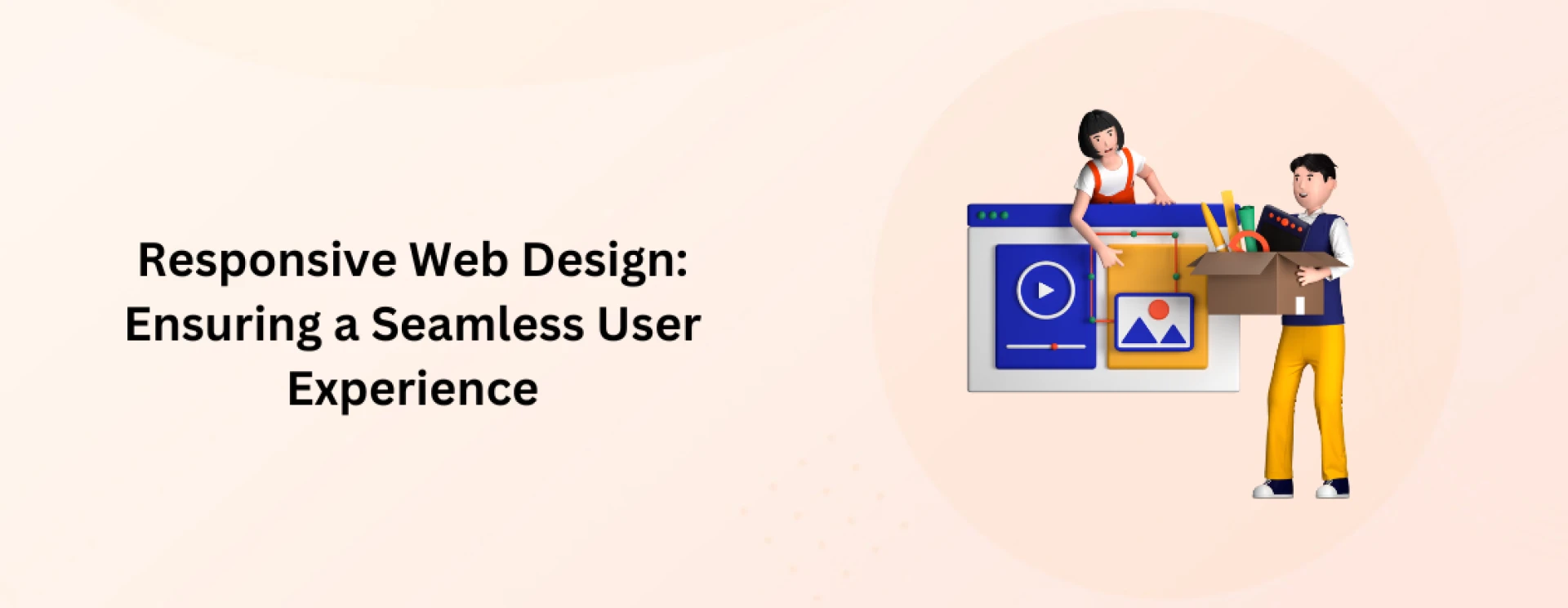

In today's fast-paced digital world, having a website that adapts to various devices is crucial for providing users with a seamless experience. This is where responsive web design comes into play. Let's explore what responsive web design is, why it matters, and how it ensures a user-friendly experience. We'll also touch upon the importance of choosing the right web development company in India to implement these practices effectively.
What is Responsive Web Design?
Responsive web design is an approach to building websites that ensures they work well on devices of all shapes and sizes, from large desktop monitors to small smartphones. The key idea is to create a flexible layout and design that automatically adjusts to the user's screen size. This adaptability is achieved through a combination of flexible grids, media queries, and fluid images.
Why Does Responsive Web Design Matter?
Enhanced User Experience: Responsive design guarantees that users have a consistent and enjoyable experience across different devices. Whether someone is accessing your website on a laptop, tablet, or mobile phone, the content and layout will automatically adjust for optimal viewing.
Improved SEO Performance: Search engines like Google prioritize mobile-friendly websites. Having a responsive design positively influences your search engine rankings, potentially leading to increased visibility and traffic. This is crucial for the success of any online venture.
Cost-Effectiveness: Instead of creating separate websites for different devices, responsive design allows you to maintain a single site that caters to all users. This not only saves development costs but also reduces the time and effort needed for updates and maintenance.
How Responsive Design Ensures a Seamless Experience:
Flexible Grids: Responsive layouts use flexible grids that automatically adjust the size of page elements relative to the screen size. This ensures a harmonious layout regardless of the device.
Media Queries: Media queries are CSS rules that apply different styles based on the characteristics of the device, such as screen size, resolution, and orientation. They enable the design to adapt and provide an optimal user experience.
Fluid Images: Images are designed to scale proportionally with the layout, preventing them from breaking or becoming distorted on various devices. This ensures that visuals remain appealing and relevant on screens of all sizes.
Choosing the Right Web Development Company in India:
Selecting a reliable web development company in India is crucial for successfully implementing responsive design. Here are some key considerations:
Expertise in Responsive Design: Ensure the company has a proven track record in implementing responsive web design. Look for examples of their previous projects and assess the user experience on different devices.
Portfolio and Reviews: Check the company's portfolio and client reviews. This will give you insights into their capabilities and the satisfaction level of their clients.
Technological Proficiency: Confirm that the company is well-versed in the latest web development technologies and follows best practices for responsive design.
Communication and Collaboration: Effective communication is vital for a successful project. Choose a company that values collaboration, understands your business goals, and keeps you informed throughout the development process.
In conclusion, responsive web design is not just a trend but a necessity for creating a positive user experience across devices. By partnering with a reliable web development company in India, you can ensure your website is not only responsive but also optimized for success in the digital landscape.


























Sign in to leave a comment.