
Debugging is an integral part of the PHP development process. It helps developers identify and fix issues within their applications, ensuring smooth functionality. In this guide, we will explore essential tips and tools that can simplify the debugging process for PHP developers. Whether you are a seasoned developer or just starting with PHP, these insights will aid you in creating robust and error-free applications.
Understanding the Basics of Debugging in PHP: Before diving into tools and techniques, let's cover the basics of debugging in PHP. Print statements, var_dump(), and error_reporting are handy functions to display variable values, trace execution flow, and manage error reporting levels. These simple methods can provide valuable insights into your code.
Integrated Development Environments (IDEs): Investing in a robust IDE tailored for PHP development can significantly enhance your debugging capabilities. Popular choices like PhpStorm, Eclipse, or Visual Studio Code offer features like step debugging, variable inspection, and breakpoints, making it easier to identify and resolve issues.
Xdebug: Xdebug is a powerful debugging tool for PHP that integrates seamlessly with IDEs. It provides features like stack traces, profiling information, and code coverage analysis. By configuring Xdebug with your PHP environment, you can step through your code, set breakpoints, and inspect variables effortlessly.
Using Breakpoints Effectively: Breakpoints are essential for stopping the execution of your code at specific points, allowing you to inspect variables and track the flow of your application. Utilize breakpoints strategically to isolate problematic areas and gain a deeper understanding of your code's behavior.
Logging and Error Handling: Implementing robust logging and error handling mechanisms is crucial for identifying issues in a production environment. Tools like Monolog or built-in logging functions in PHP can help you record detailed information about errors, warnings, and application events.
Profiling Tools: Profiling your PHP code helps identify performance bottlenecks and optimize resource usage. Tools like Blackfire.io or XHProf can assist in profiling, giving you valuable insights into execution times, memory usage, and function calls.
Code Reviews: Collaborative debugging through code reviews can uncover issues that might be challenging to identify individually. Peer reviews provide a fresh perspective, helping catch logical errors, potential bugs, and code inefficiencies.
Unit Testing: Incorporating unit tests into your development workflow ensures that individual components of your application work as intended. PHPUnit and Codeception are popular PHP testing frameworks that can help automate the testing process, making it easier to catch and fix bugs early on.
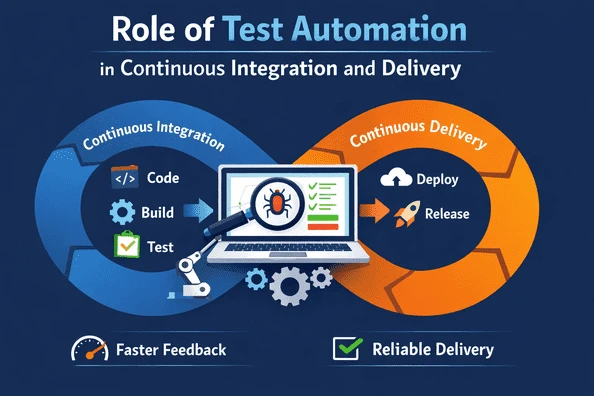
Continuous Integration (CI) and Deployment: Setting up a CI/CD pipeline can automate the testing and deployment process. Tools like Jenkins, Travis CI, or GitHub Actions can run tests on each code push, allowing you to catch and fix issues before they reach production.
Conclusion
Debugging PHP applications is a skill that evolves with experience. By combining the right tools, techniques, and best practices, developers can create reliable and efficient applications. Remember to stay updated on the latest debugging tools and methodologies to streamline your PHP development process. If you need expert assistance, consider partnering with a reputable PHP Development Company in India for comprehensive support in building and maintaining your PHP applications. Their expertise can be invaluable in ensuring the success of your projects. Happy coding!






























Sign in to leave a comment.