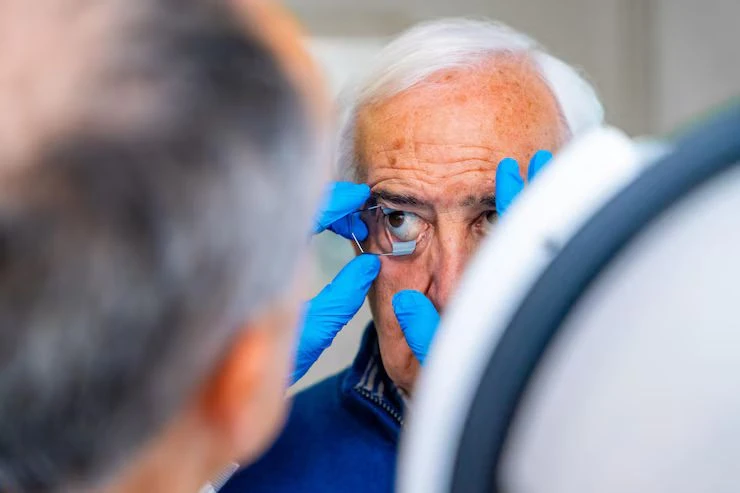

Retinal detachment is a serious eye condition that requires immediate medical attention. In Palm Harbor, Florida, residents have access to advanced eye care facilities to address this condition, but awareness and timely action are critical. The retina, a thin layer of tissue at the back of the eye, is responsible for converting light into neural signals that form visual images. When the retina detaches, it pulls away from its normal position, disrupting this process and potentially leading to permanent vision loss if untreated. This article explores the causes, symptoms, and treatment options for retinal detachment in Palm Harbor, providing a comprehensive guide for residents and those seeking information about this condition.
What is Retinal Detachment?
Retinal detachment occurs when the retina separates from the underlying tissue that supplies it with oxygen and nutrients. This separation can impair the retina’s ability to function, leading to vision problems. The condition is considered a medical emergency because the longer the retina remains detached, the greater the risk of irreversible vision damage. In Palm Harbor, local eye care specialists emphasize the importance of early detection and intervention to preserve vision.
There are three main types of retinal detachment:
- Rhegmatogenous Retinal Detachment: The most common type, caused by a tear or hole in the retina that allows fluid to seep underneath, separating the retina from the underlying tissue.
- Tractional Retinal Detachment: Occurs when scar tissue or other fibrous material pulls the retina away from its normal position, often seen in conditions like diabetic retinopathy.
- Exudative Retinal Detachment: Caused by fluid buildup under the retina without a tear or hole, often due to inflammation, injury, or other underlying conditions.
Understanding the type of retinal detachment is crucial for determining the appropriate treatment, and specialists in Palm Harbor are well-equipped to diagnose and manage these cases.
Causes of Retinal Detachment
Several factors can contribute to retinal detachment in Palm Harbor, ranging from age-related changes to trauma or underlying health conditions. Below are the primary causes:
1. Aging and Posterior Vitreous Detachment (PVD)
As people age, the vitreous, a gel-like substance filling the eye, may shrink and pull away from the retina. This process, known as posterior vitreous detachment, is common in individuals over 50 and can sometimes cause retinal tears that lead to detachment. Palm Harbor’s aging population may be particularly susceptible to this risk factor.
2. Eye Injuries
Trauma to the eye, such as a direct blow or penetrating injury, can cause the retina to detach. Residents of Palm Harbor who engage in high-risk activities like sports or manual labor should take precautions to protect their eyes.
3. Myopia (Nearsightedness)
Individuals with high degrees of nearsightedness are at greater risk because their elongated eye shape can stretch the retina, making it more prone to tears. Many Palm Harbor residents with myopia should be vigilant about regular eye exams to monitor retinal health.
4. Previous Eye Surgeries or Conditions
Surgeries like cataract removal or conditions such as diabetic retinopathy or uveitis can increase the risk of retinal detachment. In Palm Harbor, eye care centers often screen patients with these histories to catch potential issues early.
5. Family History and Genetics
A family history of retinal detachment or certain genetic conditions, such as Stickler syndrome, can elevate the risk. Genetic predisposition is a factor that local ophthalmologists in Palm Harbor consider during comprehensive eye evaluations.
6. Other Medical Conditions
Conditions like diabetes, which can lead to diabetic retinopathy, or inflammatory disorders can contribute to retinal detachment. Palm Harbor’s medical community emphasizes managing these conditions to reduce eye-related complications.
Symptoms of Retinal Detachment
Recognizing the symptoms of retinal detachment in Palm Harbor is critical for seeking timely treatment. The condition often presents with sudden or gradual symptoms, including:
- Floaters: Sudden appearance of small specks, spots, or cobweb-like shapes floating in the field of vision.
- Flashes of Light: Brief flashes or streaks of light, often noticed in peripheral vision, caused by the vitreous pulling on the retina.
- Shadow or Curtain Effect: A dark shadow or curtain-like obstruction that moves across the field of vision, indicating that part of the retina has detached.
- Blurred or Distorted Vision: A sudden decrease in vision clarity or distortion of objects.
- Loss of Peripheral Vision: Difficulty seeing objects on the sides of the visual field.
These symptoms can appear suddenly or develop over time. Palm Harbor residents experiencing any of these signs should contact an eye care specialist immediately, as prompt intervention can prevent permanent vision loss.
Diagnosing Retinal Detachment in Palm Harbor
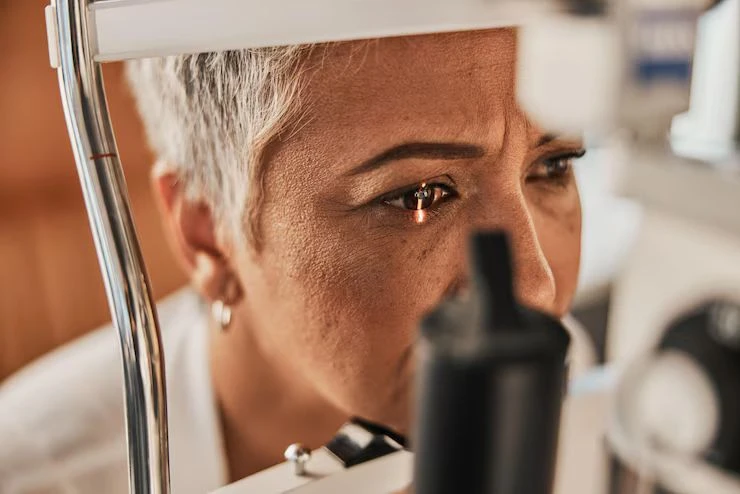
In Palm Harbor, diagnosing retinal detachment involves a thorough eye examination by an ophthalmologist or retina specialist. The diagnostic process typically includes:
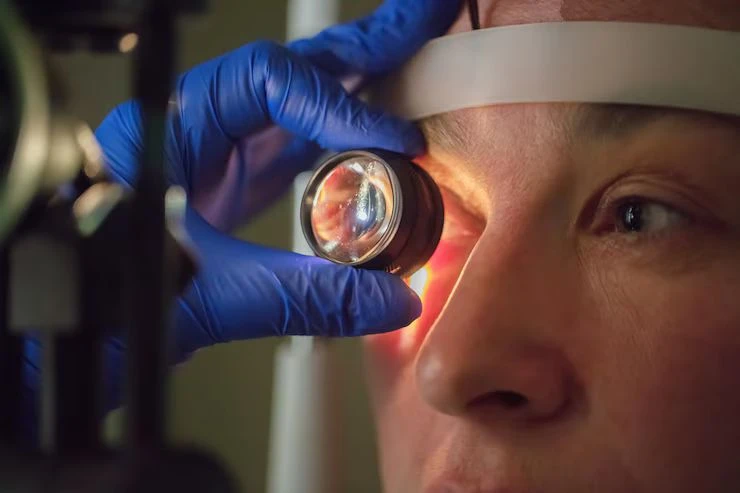
- Dilated Eye Exam: The doctor uses special drops to dilate the pupils, allowing a detailed view of the retina to identify tears, holes, or detachment.
- Fundus Photography: High-resolution images of the retina help document the extent of detachment.
- Ultrasound Imaging: If the vitreous is cloudy or bleeding obstructs the view, an ultrasound may be used to visualize the retina.
- Optical Coherence Tomography (OCT): This non-invasive imaging test provides detailed cross-sectional images of the retina to assess its structure.
Palm Harbor’s eye care facilities, such as those affiliated with local hospitals or specialized clinics, are equipped with advanced diagnostic tools to ensure accurate detection of retinal detachment.
Treatment Options for Retinal Detachment
The treatment for retinal detachment in Palm Harbor depends on the type, severity, and underlying cause of the condition. The primary goal is to reattach the retina and prevent further vision loss. Below are the main treatment options available:
1. Laser Surgery (Photocoagulation)
For small retinal tears or holes that have not yet led to detachment, laser surgery can be used to create small burns around the tear, sealing it and preventing fluid from seeping underneath. This outpatient procedure is commonly performed in Palm Harbor eye clinics and requires minimal recovery time.
2. Cryopexy (Freezing Therapy)
Cryopexy involves applying a freezing probe to the outer surface of the eye to seal retinal tears. This method is often used in conjunction with other procedures and is available at specialized eye care centers in Palm Harbor.
3. Pneumatic Retinopexy
This procedure is suitable for certain types of retinal detachment. A gas bubble is injected into the vitreous cavity, which presses the retina back into place. The patient must maintain a specific head position for several days to keep the bubble in contact with the retina. Palm Harbor retina specialists may recommend this for less complex cases.
4. Scleral Buckling
Scleral buckling involves placing a silicone band (buckle) around the eye to gently push the wall of the eye against the detached retina, helping it reattach. This surgery is performed under local or general anesthesia and is a common treatment option in Palm Harbor for more extensive detachments.
5. Vitrectomy
In cases of severe retinal detachment or when other treatments are not suitable, a vitrectomy may be performed. This procedure involves removing the vitreous gel and replacing it with a gas bubble or silicone oil to hold the retina in place. Palm Harbor’s advanced surgical facilities offer vitrectomy with high success rates.
6. Managing Underlying Conditions
For exudative retinal detachment caused by conditions like inflammation or tumors, treating the underlying cause is critical. Palm Harbor specialists may collaborate with other medical professionals to address systemic conditions contributing to the detachment.
Recovery and Aftercare
Recovery from retinal detachment in Palm Harbor depends on the treatment method and the extent of the detachment. Patients may need to:
- Maintain specific head positions, especially after pneumatic retinopexy or vitrectomy, to ensure proper healing.
- Avoid strenuous activities or heavy lifting for several weeks.
- Attend follow-up appointments to monitor retinal reattachment and vision recovery.
- Use prescribed eye drops to prevent infection or reduce inflammation.
Palm Harbor’s eye care providers offer comprehensive aftercare instructions to optimize recovery and minimize complications.
Preventing Retinal Detachment
While not all cases of retinal detachment can be prevented, Palm Harbor residents can take steps to reduce their risk:
- Regular Eye Exams: Routine checkups, especially for those with risk factors like high myopia or diabetes, can help detect early signs of retinal issues.
- Protective Eyewear: Wearing safety glasses during sports or hazardous activities can prevent eye injuries.
- Managing Health Conditions: Controlling diabetes and other systemic conditions reduces the risk of complications like diabetic retinopathy.
- Prompt Reporting of Symptoms: Seeking immediate care for symptoms like floaters or flashes can prevent progression to full detachment.
Local eye care professionals in Palm Harbor emphasize proactive measures to maintain retinal health.
Accessing Care in Palm Harbor
Palm Harbor is home to several reputable eye care centers and retina specialists who are experienced in diagnosing and treating retinal detachment. Facilities like St. Luke’s Cataract & Laser Institute and local hospitals provide state-of-the-art diagnostic and surgical options. Residents can also access telehealth consultations for initial assessments, though in-person evaluations are critical for confirming a diagnosis.
When choosing a provider, consider:
- Experience: Look for board-certified ophthalmologists or retina specialists with expertise in retinal detachment.
- Technology: Ensure the facility uses advanced diagnostic and surgical equipment.
- Patient Reviews: Check for positive feedback from other Palm Harbor patients who have undergone similar treatments.
Conclusion
Retinal detachment in Palm Harbor is a serious condition that demands prompt attention to preserve vision. By understanding the causes, recognizing symptoms early, and seeking treatment from qualified specialists, residents can improve their chances of successful outcomes. Whether through laser surgery, scleral buckling, or vitrectomy, Palm Harbor’s eye care community, including Retina Vitreous Associates of Florida with experienced doctors like Dr. Steven Cohen, MD, FACS, and Dr. Priya Vakharia, MD, is well-equipped to address this condition. Regular eye exams, protective measures, and timely intervention are key to preventing and managing retinal detachment. If you experience symptoms like floaters, flashes, or vision changes, contact a Palm Harbor eye care professional immediately to protect your vision.










Sign in to leave a comment.