
Hey there, e-commerce enthusiasts! The online shopping world is changing fast, and to keep up with the competition, businesses need to embrace the latest tech. Enter 3D technology, a game-changer that’s transforming how we shop online. From 3D product configurators and 3D rendering to 3D furniture design and AR e-commerce, these tools are making shopping more interactive and personalized than ever. And let\'s not forget the essential role of top-notch e-commerce product photography. So, let’s dive into how these technologies are reshaping online shopping!
Table of Contents
- Introduction
- 3D Product Configurators: Personalization at Its Best
- The Power of 3D Rendering in E-commerce
- Transforming Interiors with 3D Furniture Design
- Enhancing Visual Appeal with E-commerce Product Photography
- Augmented Reality: The Future of E-commerce
- Conclusion
1. Introduction
E-commerce has boomed over the past decade, and with so many players in the game, businesses are always looking for ways to stand out and offer better experiences. This is where 3D technology comes in, providing dynamic and interactive ways to showcase products. Let’s explore how these tools are revolutionizing online shopping.
2. 3D Product Configurators: Personalization at Its Best
Imagine being able to customize a product to your exact preferences before hitting the purchase button. That’s exactly what 3D product configurators allow you to do. You can tweak colors, materials, and features in real-time, seeing a 3D model of the product as you make changes.
Benefits of 3D Product Configurators
- Enhanced Customer Engagement: Interactive tools keep customers glued to your site longer.
- Increased Conversion Rates: Personalization boosts satisfaction and the likelihood of purchase.
- Reduced Returns: Visualizing the product beforehand means fewer surprises and disappointments.
For instance, if you’re buying a sofa, you can pick the fabric, color, and style that matches your living room perfectly. This kind of customization was unimaginable with traditional online shopping methods.
3. The Power of 3D Rendering in E-commerce
Now, let’s talk about 3D rendering. This tech creates photorealistic images from 3D models, offering visuals that look just as good as real photos, if not better.
Advantages of 3D Rendering
- Cost-Effective: No need for endless physical prototypes or costly photoshoots.
- Consistency: Uniform product images across all your platforms.
- Flexibility: Easily update product images with new features or colors without a reshoot.
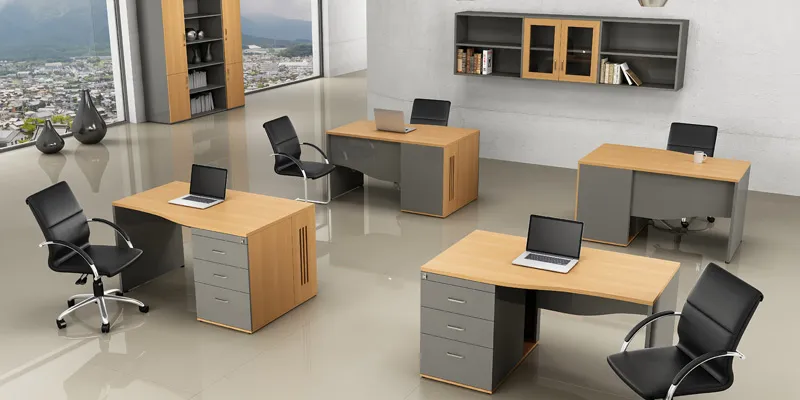
Take the furniture industry, for example. With 3D rendering, businesses can create detailed, realistic images of furniture pieces. Customers can see exactly what they’re buying, helping them make better purchasing decisions.
4. Transforming Interiors with 3D Furniture Design
3D furniture design is a game-changer for how we shop for home and office furnishings. It offers a 3D model of the furniture, making the shopping experience much more immersive.
Impact of 3D Furniture Design
- Realistic Visualization: See how a piece will look in your space before buying.
- Customization: Adjust size, color, and material to fit your needs.
- Enhanced Design Process: Designers can experiment with different concepts easily.
Imagine being able to visualize an entire room layout and ensuring every piece fits perfectly with your existing decor. It’s a dream come true for interior designers and architects!
5. Enhancing Visual Appeal with E-commerce Product Photography
High-quality e-commerce product photography is still essential. Combining traditional photography with 3D elements can take your product visuals to the next level.
Role of Product Photography in E-commerce
- First Impressions: High-quality images attract and retain customer attention.
- Detail Presentation: Showcase product features and quality in detail.
- Brand Image: Consistent and professional images enhance your brand’s credibility.
For example, a fashion retailer can use 3D images to show how a garment fits and moves on a virtual model, making the shopping experience much more engaging for customers.
6. Augmented Reality: The Future of E-commerce
AR e-commerce is blending the digital and physical worlds, allowing customers to visualize products in their environment using their smartphones or other devices.
Benefits of AR in E-commerce
- Interactive Shopping Experience: Customers can interact with products in a real-world context.
- Increased Confidence: Visualizing products in their space helps customers make informed decisions.
- Reduced Returns: Better visualization leads to higher customer satisfaction.
AR is particularly impactful in industries like home decor and fashion. Customers can see how a new piece of furniture will look in their living room or how a piece of clothing will fit their body, right from their phone.
7. Conclusion
3D technology in e-commerce is no longer a futuristic concept; it’s here and transforming the shopping experience. From 3D product configurators and 3D rendering to 3D furniture design and AR e-commerce, these advancements are providing unparalleled personalization, visualization, and interactivity. And don’t forget, high-quality e-commerce product photography is still crucial in showcasing products effectively. By embracing these technologies, businesses can stay competitive, enhance customer satisfaction, and drive sales in the dynamic world of online retail.




























Sign in to leave a comment.