
Introduction
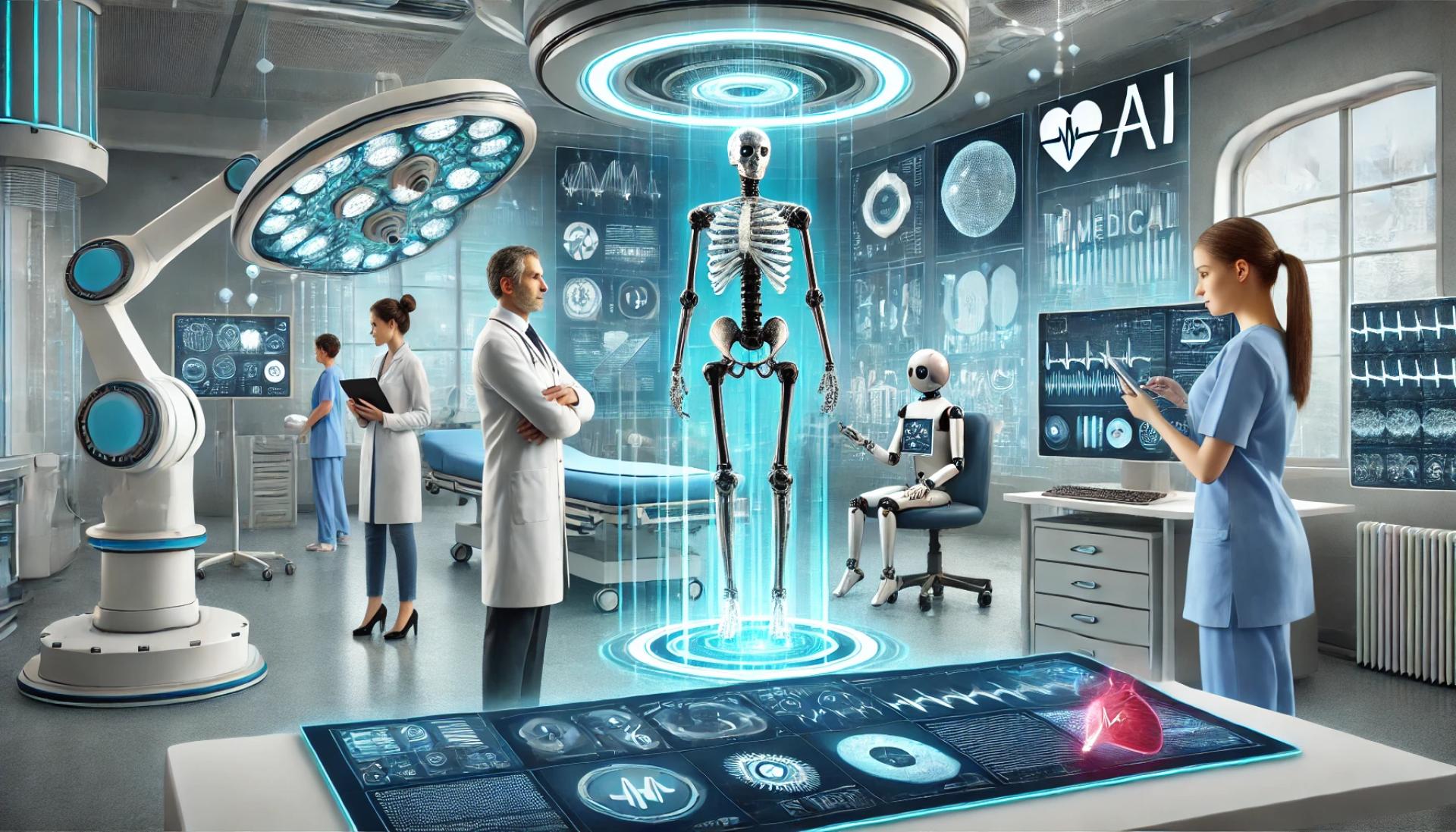
Artificial Intelligence (AI) and Machine Learning (ML) are rapidly transforming the healthcare industry, providing enterprises with innovative solutions to modernize operations, improve patient outcomes, and drive efficiency. As healthcare organizations seek to enhance digital transformation, AI-driven technologies offer significant advancements in diagnostics, automation, and personalized care. With AI Healthcare app development, healthcare analytics software, and AI development services, enterprises can leverage cutting-edge solutions to revolutionize the industry.
This article explores the latest trends, benefits, and key use cases of AI/ML in healthcare, offering actionable insights for enterprise decision-makers looking to integrate AI into their operations.
The Role of AI in Digital Transformation Services for Healthcare
Digital transformation services in healthcare focus on optimizing processes, enhancing patient care, and reducing operational inefficiencies. AI plays a critical role in this transformation by enabling real-time data analysis, automation, and predictive analytics.
Latest Trends in AI/ML in Healthcare
1. Predictive Analytics for Early Disease Detection
AI-driven predictive analytics uses machine learning models to analyse patient data and detect potential diseases at an early stage. For example, AI-powered healthcare analytics software can analyse electronic health records (EHRs) to predict the likelihood of chronic illnesses such as diabetes and cardiovascular diseases, allowing for early intervention and better treatment planning.
2. AI-Enabled Medical Imaging
AI-powered medical imaging technology enhances diagnostic accuracy by detecting anomalies in X-rays, MRIs, and CT scans with greater precision. Companies like Aidoc and Zebra Medical Vision utilize AI to identify conditions such as tumors and fractures, reducing the burden on radiologists and improving diagnostic efficiency.
3. AI Chatbots and Virtual Health Assistants
AI-driven chatbots and virtual assistants are revolutionizing patient interactions. These tools provide 24/7 support, answer health-related queries, schedule appointments, and even monitor patient symptoms. AI Healthcare app development companies are incorporating Natural Language Processing (NLP) to create conversational AI tools that enhance patient engagement and reduce administrative workload.
4. Robotic Process Automation (RPA) in healthcare
RPA in healthcare, powered by AI, automates repetitive administrative tasks such as patient data entry, billing, and claims processing. This significantly reduces human errors, improves efficiency, and allows healthcare professionals to focus on patient care rather than paperwork.
5. AI-Powered Personalized Treatment Plans
With AI development services, enterprises can develop personalized treatment plans based on patient-specific data. AI algorithms analyse genetic information, lifestyle factors, and past medical history to recommend customized therapies, improving treatment effectiveness and patient satisfaction.
Key Benefits of AI/ML in Healthcare Enterprises
1. Enhanced Operational Efficiency
AI-driven automation helps reduce administrative burdens, optimize workflows, and improve resource allocation. For example, AI-powered scheduling systems ensure efficient management of hospital staff and patient appointments, reducing wait times and maximizing productivity.
2. Improved Patient Outcomes
AI-powered decision support systems assist doctors in diagnosing diseases more accurately and recommending personalized treatment plans. This leads to better patient outcomes and reduces the risk of medical errors.
3. Cost Reduction and Revenue Optimization
Implementing AI solutions helps healthcare enterprises reduce costs associated with redundant tasks, unnecessary hospital admissions, and delayed diagnoses. AI-based fraud detection systems also help prevent financial losses in medical billing and insurance claims.
4. Data-Driven Insights for Better Decision-Making
AI-driven healthcare analytics software enables enterprises to gain deeper insights into patient demographics, treatment success rates, and operational efficiencies. These insights facilitate data-driven decision-making for better healthcare management and resource allocation.
5. Increased Accessibility and Remote Patient Monitoring
With AI-powered remote patient monitoring solutions, healthcare providers can track patients’ vitals and health conditions in real time. This is particularly beneficial for elderly patients and those with chronic illnesses, ensuring timely interventions and reducing hospital visits.
Real-World Examples of AI in Healthcare Enterprises
Mayo Clinic’s AI-Powered Diagnostic Tools
Mayo Clinic uses AI to enhance radiology imaging and improve diagnostic accuracy. Their AI-powered algorithms detect early-stage cancers in medical images, allowing for prompt treatment and better patient outcomes.
IBM Watson’s AI for Oncology
IBM Watson’s AI-driven oncology platform assists oncologists in identifying the most effective treatment plans by analyzing vast amounts of medical literature and patient data.
Google’s DeepMind for Retinal Disease Detection
Google’s DeepMind AI model accurately detects retinal diseases from eye scans, aiding ophthalmologists in diagnosing conditions like diabetic retinopathy at an early stage.
How Enterprises Can Implement AI/ML in Healthcare
1. Partnering with AI Development Services
Healthcare enterprises should collaborate with AI development services providers to create custom AI solutions tailored to their specific needs. These partnerships ensure seamless integration of AI into existing healthcare infrastructure.
2. Investing in AI Healthcare App Development
Enterprises looking to modernize should invest in AI healthcare app development to enhance patient engagement, automate administrative tasks, and improve healthcare accessibility.
3. Leveraging Healthcare Analytics Software
Using advanced healthcare analytics software allows enterprises to gain insights into patient behaviour, treatment outcomes, and operational performance, driving informed decision-making.
4. Ensuring Compliance with Healthcare Regulations
AI adoption in healthcare must comply with regulatory requirements such as HIPAA and GDPR to ensure patient data privacy and security.
5. Training Healthcare Professionals on AI Adoption
Providing AI training programs for healthcare professionals ensures they can effectively utilize AI tools and technologies to enhance patient care and operational efficiency.
Conclusion
AI and ML are revolutionizing healthcare by enabling enterprises to modernize their operations, improve patient outcomes, and drive digital transformation. By leveraging AI Healthcare app development, healthcare analytics software, and AI development services, enterprises can harness the full potential of AI to enhance efficiency, reduce costs, and provide high-quality patient care.
For enterprise decision-makers, the time to embrace AI-driven digital transformation services is now. Investing in AI technologies today will shape the future of healthcare, making it more efficient, accessible, and patient-centric.
Are you ready to transform your healthcare enterprise with AI? Contact us to explore tailored AI solutions for your business needs!


























Sign in to leave a comment.