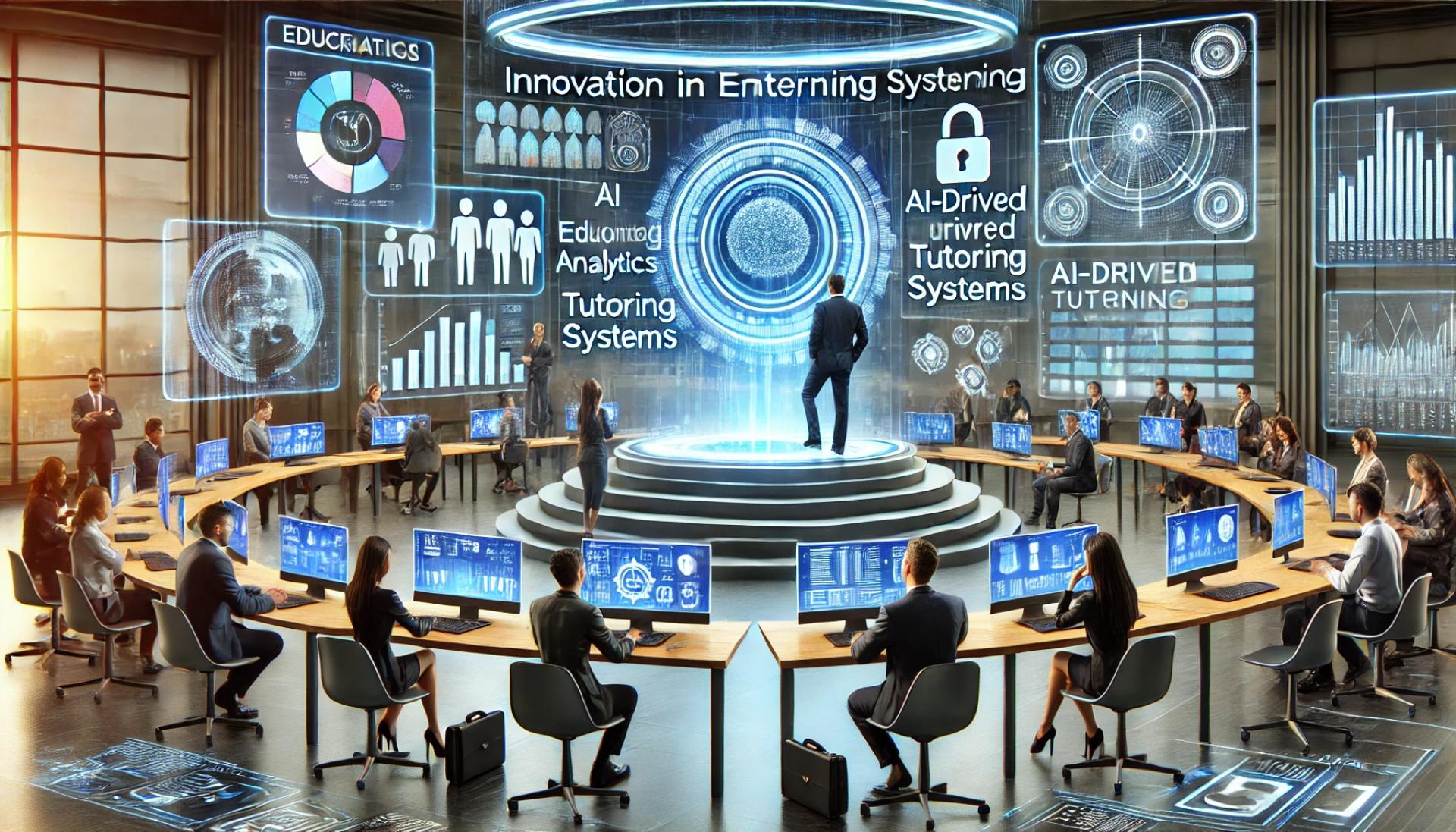

The Edtech industry is undergoing a massive transformation, driven by the rapid advancements in Artificial Intelligence (AI) and Machine Learning (ML). Enterprise learning is no longer confined to static Learning Management Systems (LMS) but is evolving into dynamic, intelligent, and personalized learning ecosystems. With the integration of AI-powered tutoring systems, adaptive learning platforms, and data-driven analytics, Edtech SaaS development is set to redefine corporate training and professional education.
In this blog, we will explore the latest AI/ML trends shaping the future of Edtech SaaS, their benefits, key use cases, and how enterprises can leverage these innovations to enhance workforce training and development.
Key AI/ML Trends in Edtech SaaS
1. AI-Powered Personalized Learning
Personalization is at the core of modern Edtech SaaS solutions. AI-powered algorithms analyse user behaviour, learning preferences, and performance to tailor course content for individual learners. This adaptive learning approach ensures that employees receive the right training at the right time, improving retention and engagement.
Example:
Platforms like Coursera and Udemy use AI-driven recommendation engines to suggest courses based on user activity. In enterprise settings, companies are adopting AI-powered tutoring systems to provide personalized coaching and mentorship.
2. Intelligent Chatbots and AI Tutoring Systems
AI-powered tutoring systems and chatbots are revolutionizing enterprise learning by offering real-time support, answering queries, and providing step-by-step guidance. These systems act as virtual mentors, reducing the need for human instructors while ensuring 24/7 accessibility.
Example:
IBM’s Watson Assistant is used in corporate training programs to offer instant feedback, resolve doubts, and provide insights into learning progress.
3. Automated Content Creation and Curation
AI and ML are making content generation more efficient by automating the creation of learning materials, quizzes, and assessments. AI-driven content curation platforms filter relevant information, helping enterprises deliver high-quality training programs without manual intervention.
Example:
Tools like OpenAI’s ChatGPT and Synthesis create interactive training videos, transforming static learning materials into engaging digital experiences.
4. Predictive Learning Analytics
AI-driven analytics provide deep insights into learner engagement, course effectiveness, and skill gaps. Enterprises can use these insights to refine their training programs, enhance user experiences, and ensure better learning outcomes.
Example:
A multinational company using AI-driven analytics to identify employees struggling with compliance training can offer targeted microlearning sessions to improve knowledge retention.
5. AI-Driven Gamification
Gamification powered by AI enhances learning experiences by incorporating leaderboards, rewards, and interactive simulations. AI analyzes learner behavior to adjust challenges and difficulty levels dynamically, making learning both engaging and effective.
Example:
Companies like Duolingo use AI to modify lesson difficulty based on individual learner performance, ensuring an optimal balance between challenge and motivation.
6. Voice and Speech Recognition in Learning
AI-driven voice recognition enables hands-free learning, transcription, and interactive voice-based assessments. This technology is particularly useful in mobile learning environments and for employees with accessibility needs.
Example:
Edtech platforms integrating AI-powered voice assistants allow users to navigate courses using voice commands, enhancing user experience.
7. AI-Enhanced Employee Onboarding
Enterprises are leveraging AI to streamline the onboarding process, offering personalized training modules based on job roles and prior experience. AI can also assess new hires’ skills and recommend relevant learning paths for faster adaptation.
Example:
A global consulting firm using AI-driven onboarding platforms to train new hires based on their specific skill sets and career goals.
Benefits of AI/ML in Enterprise Learning
✅ Improved Learning Outcomes
AI-driven personalization ensures that learners receive content suited to their needs, leading to better knowledge retention and skill acquisition.
✅ Cost and Time Efficiency
Automated content creation, AI tutors, and predictive analytics reduce manual effort, making training programs more efficient and cost-effective.
✅ Scalability
AI-powered Edtech SaaS solutions can cater to thousands of learners simultaneously, making them ideal for large enterprises with diverse learning needs.
✅ Data-Driven Decision Making
AI analytics provide valuable insights into learner behavior, course effectiveness, and engagement metrics, enabling enterprises to make informed decisions.
✅ Enhanced Engagement and Motivation
Gamification, AI-powered tutoring, and interactive learning formats keep employees engaged, leading to a more motivated workforce.
How Enterprises Can Leverage AI/ML in Learning
🔹 Invest in AI-Powered Learning Platforms
Enterprises should partner with Edtech SaaS providers that offer AI-driven learning solutions tailored to corporate training needs.
🔹 Use AI for Upskilling and Reskilling
Leverage AI to identify skill gaps and recommend personalized learning paths, ensuring employees stay competitive in their roles.
🔹 Incorporate AI-Powered Tutoring Systems
Deploy virtual tutors and AI chatbots to provide real-time learning support, improving employee engagement and knowledge retention.
🔹 Adopt Predictive Analytics for Training Optimization
Utilize AI-driven insights to refine training programs, track learner progress, and enhance overall training efficiency.
🔹 Embrace Digital Transformation Services
Work with AI development services to integrate AI-powered learning solutions seamlessly into existing enterprise ecosystems.
Final Thoughts
The future of Edtech SaaS development is being shaped by AI and ML innovations, making enterprise learning more personalized, scalable, and efficient. From AI-powered tutoring systems to predictive analytics, these technologies are transforming corporate training, ensuring employees receive the right learning at the right time.
For enterprises looking to stay ahead, adopting AI-driven learning solutions is no longer an option but a necessity. Investing in digital transformation services and AI development services will help businesses enhance workforce learning, improve productivity, and drive long-term success.
Are you ready to transform your enterprise learning strategy with AI/ML? Get in touch with experts in Edtech SaaS development today and future-proof your workforce training programs!























Sign in to leave a comment.