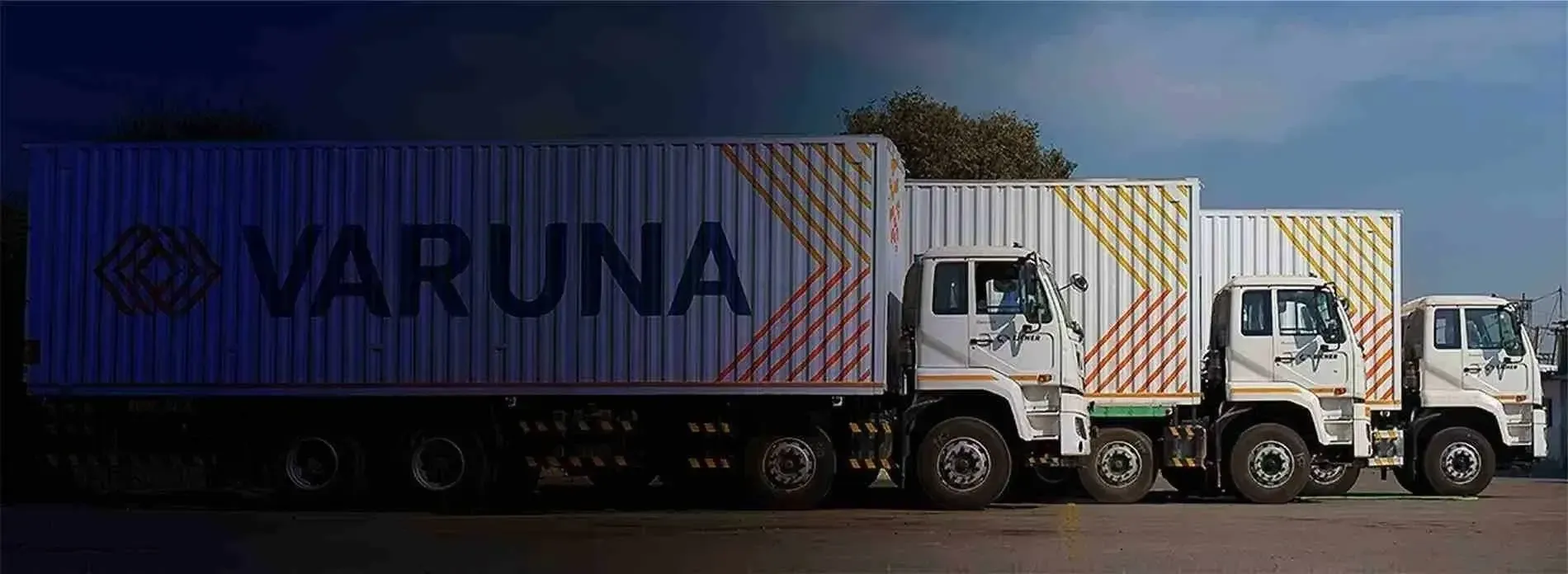

Most businesses do not think about logistics until something breaks down. A consignment that does not show up on time, stock that runs out in the middle of a busy season, or a customer who has been waiting too long and is now looking elsewhere. These are the moments that make businesses realise how much they were depending on logistics to hold everything together, without ever really paying attention to it.
The truth is, logistics is not just about moving goods from one place to another. It is about making sure every part of a business operation stays connected and keeps moving in the right direction.
Supply Chain and Logistics: What Is the Difference?
A lot of people use these two terms as if they mean the same thing. They do not, though they are closely linked. The supply chain is the bigger picture. It covers everything from sourcing raw materials to manufacturing, storage, and finally getting the product to the customer. Logistics is one part of that bigger picture. It is the part that deals with the actual movement and storage of goods throughout the process.
To put it simply, if the supply chain is the plan, logistics is what makes that plan happen on the ground. When logistics is working well, the entire supply chain runs smoothly. When it is not, problems show up everywhere: delayed production, unhappy customers, and costs that keep going up without a clear reason.
What Logistics Actually Does for a Supply Chain
Good logistics supply chain management covers several areas, each one important in its own way. Together, they determine how efficiently a business runs day to day.
Keeping Inventory at the Right Levels
One of the most common problems businesses face is getting inventory wrong. Either they are sitting on too much stock, which ties up money and takes up storage space, or they do not have enough, which means turning away orders or failing to meet delivery commitments.
Logistics helps businesses find the balance. By tracking demand patterns and working closely with procurement and sales teams, logistics teams can ensure that stock levels are maintained at a point where the business is neither overstocked nor caught short. For businesses in sectors like FMCG, pharmaceuticals, and manufacturing, where demand can change quickly, this matters more than most people realise.
Warehousing That Actually Makes Sense
It is easy to think of a warehouse as just a place where goods are stored. But where a warehouse is located, how it is set up, and how it is managed have a real impact on how fast goods can reach their destination and how much it costs to get them there.
A warehouse that is poorly located adds unnecessary time and cost to every single delivery. Logistics brings the expertise to build distribution networks that are designed around where a business actually needs to deliver, not just where space happens to be available. In India, where businesses often need to reach customers across many different states and regions, getting warehousing right is one of the most valuable things a company can do for its supply chain.
Knowing Where Your Goods Are at All Times
There was a time when tracking a consignment meant making phone calls and hoping for the best. That is not how it works anymore. Technology now makes it possible to track goods in real time, from the moment they leave the warehouse to the moment they arrive at their destination.
This kind of visibility changes how businesses operate. Problems can be spotted early before they become bigger issues. Customers can be kept informed without anyone having to chase for updates. And logistics managers can make faster, better decisions when something unexpected comes up. For any business managing decent volumes across multiple locations, real-time tracking is simply a basic requirement today.
Getting the Last Mile Right
The last stretch of any delivery, from the distribution centre to the final destination, is often the most difficult and expensive part of the entire process. It sounds simple enough in theory. In practice, it involves managing on-ground teams, dealing with congested urban areas, and making sure delivery timelines are met consistently across varied locations.
In India, this is especially challenging given how different cities, towns, and regions can be in terms of infrastructure and accessibility. Businesses that try to manage last-mile delivery without the right expertise often find that it becomes a significant drain on both time and resources. Having a logistics partner with local knowledge and the right operational setup makes a real difference here.
Keeping Costs Under Control
Logistics is one of the biggest cost areas in any supply chain. Fuel, labour, storage, vehicle upkeep, compliance, it all adds up. And a lot of the time, costs creep up not because of any single big problem but because of small inefficiencies that nobody is paying close attention to. Poorly planned routes, half-empty loads, and unnecessary handling, these are the kinds of things that quietly eat into margins over time.
Good logistics management is about finding these inefficiencies and addressing them in a structured way. Not by cutting corners, but by making better decisions consistently. For businesses operating in competitive markets, this discipline around costs can be the difference between a business that is profitable and one that is always struggling to keep margins intact.
Why Logistics Is No Longer Just an Operational Function
There has been a clear shift in how businesses think about supply chain and logistics. It used to be something that sat in the background; as long as goods were moving, no one paid much attention. That attitude has changed.
Today, businesses that manage logistics well are the ones that can serve their customers reliably, expand into new regions with confidence, and recover more quickly when things do not go to plan. It is no longer just an operational function. It is a genuine competitive advantage.
What to Look for in a Logistics Partner
Choosing a logistics partner is a decision that has a direct impact on how your business performs. Here is what matters most:
- A network that covers the regions you need to operate in
- Experience working within your specific industry
- Technology that gives you real, useful visibility over your goods
- A track record of delivering on time, consistently
- The capacity to grow with your business without the quality of service dropping
- Clear and honest pricing, with no hidden costs
Conclusion
When logistics is working well, nobody notices. Goods arrive on time, stock levels stay balanced, costs remain predictable, and customers stay happy. It is only when something goes wrong that businesses realise just how much depends on it. For businesses in India that want to grow without their operations becoming a constant source of stress, taking logistics seriously is one of the best decisions they can make.
Varuna has been helping businesses do exactly that. With strong expertise in logistics supply chain management and a network built for the realities of operating across India, Varuna works alongside businesses to make their supply chains more reliable, more efficient, and better prepared for whatever comes next. If that sounds like something your business needs, Varuna is a good place to start.





















Sign in to leave a comment.