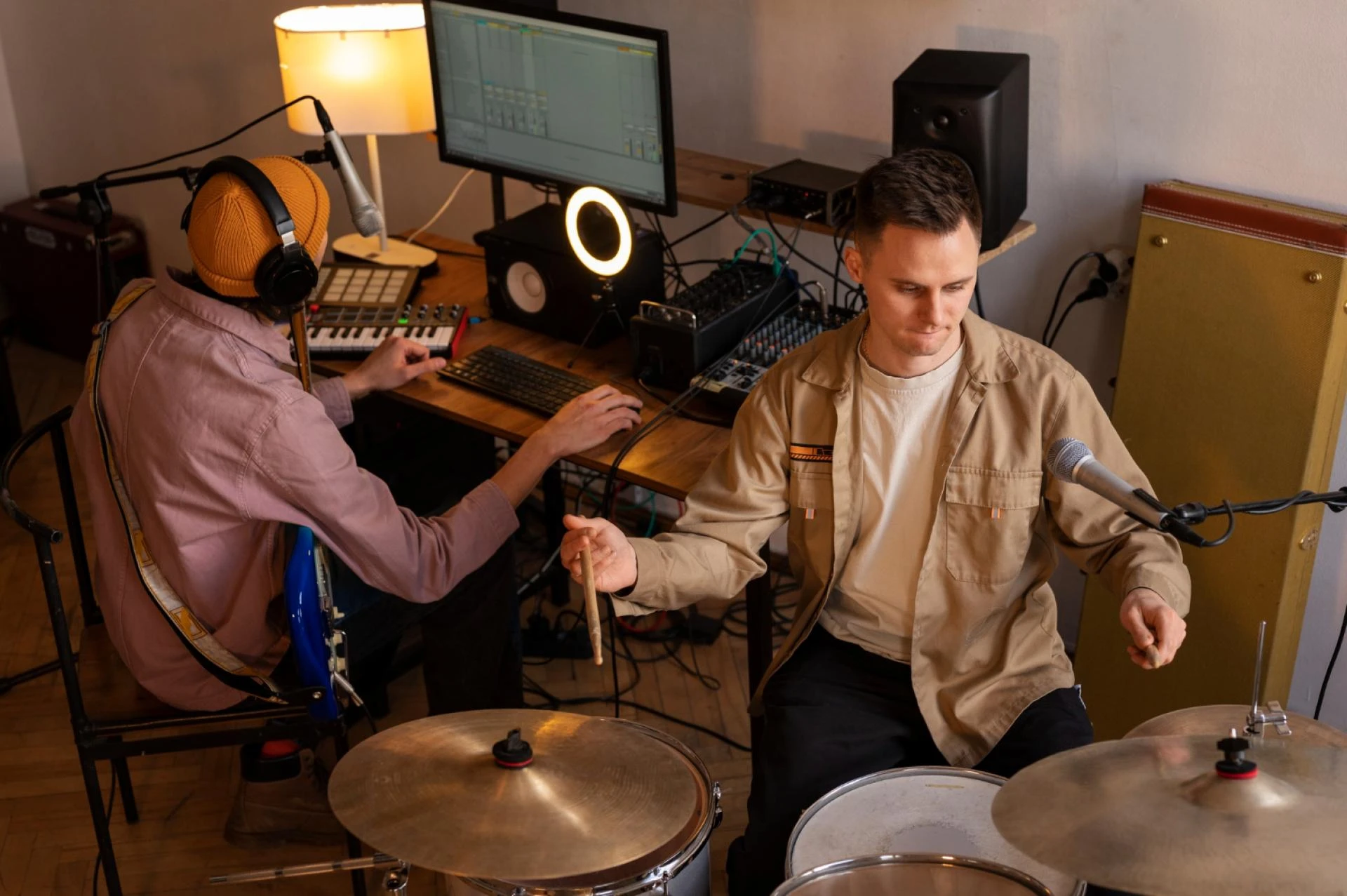

Creating videos today is easier than ever. Anyone with a phone or camera can produce content. But one challenge still confuses many creators. That challenge is music licensing for videos.
Music adds emotion, rhythm, and energy. A simple background track can change how viewers feel about a scene. But using the wrong music can lead to copyright claims, muted videos, or even legal trouble.
This is where royalty-free music becomes extremely useful. It offers a simple way to use music in videos without worrying about constant fees or complicated permissions.
Let’s understand how it works and why so many creators rely on it.
Why Music Licensing Matters in Video Content
Every piece of music has an owner. It could be the composer, the producer, or a music publisher. Using that music without permission can create problems.
Video creators often face issues like the following:
- Copyright claims on YouTube
- Muted or blocked social media posts
- Videos removed from platforms
- Unexpected licensing fees
That is why proper music licensing for videos is essential. A license gives you permission to use music in your content legally.
Traditional licensing can be complex. It may involve negotiating with rights holders or paying recurring royalties. For most creators, that process is slow and expensive.
This is where royalty-free music offers a practical solution.
How Royalty-Free Music Works
The idea behind royalty-free music is simple. You obtain a license once, and then you can use the track in your projects according to the license terms.
Instead of paying royalties every time your video is played, you pay a single fee or use a subscription model.
After that, the music can be used in many types of projects, such as:
- YouTube videos
- Podcasts
- Online advertisements
- Corporate presentations
- Social media content
This approach makes music licensing for videos faster and more accessible for creators and businesses.
If you want to explore how licensing platforms operate, many creators start by browsing collections of royalty-free music that are designed specifically for video production.
Why Creators Prefer Royalty-Free Music
Many content creators prefer royalty-free music because it removes uncertainty.
Here are a few reasons why it has become so popular.
1. It Saves Time
Traditional licensing can take days or weeks. Creators often need music immediately.
With royalty-free music, the process is quick. You choose a track, get the license, and start editing your video.
2. It Reduces Legal Risk
Using music without permission can lead to copyright strikes. This can affect your channel or even your brand reputation.
Licensed royalty-free music gives you documented permission to use the track.
3. It Supports Scalable Content Creation
Businesses publish large volumes of content today. Marketing teams create videos for social media, ads, product demos, and training materials.
Having reliable music licensing for videos makes this process much smoother.
4. It Works Across Multiple Platforms
Content creators rarely post videos on just one platform. The same video may appear on YouTube, Instagram, LinkedIn, or a company website.
A proper license ensures that the music can be used across different platforms without issues.
For example, when creators look for solutions for music licensing for videos, they often explore curated libraries like music licensing for videos collections that simplify the licensing process.
Common Uses of Royalty-Free Music
Today, royalty-free music is used across many industries. It is not limited to YouTubers.
Some common applications include:
YouTube and Video Creators
Creators use background music to improve storytelling and maintain viewer engagement.
Marketing and Advertising
Brands add music to ads, promotional videos, and product launches.
Podcasts
Intro music, transitions, and background tracks help podcasts sound more professional.
Corporate Videos
Companies use music for presentations, internal training videos, and brand storytelling.
Social Media Content
Short videos on platforms like Instagram or TikTok often rely on background music to keep viewers interested.
Because video content continues to grow, demand for simple music licensing for videos has increased significantly.
Things Creators Should Check Before Using Music
Even when using royalty-free music, it is important to understand the license terms.
Not every license works the same way.
Creators should check:
Usage Rights
Some licenses allow commercial use, while others may limit usage.
Platform Coverage
Make sure the license supports platforms where the video will be published.
Distribution Scope
Large campaigns or TV broadcasts may require broader licenses.
Modification Rights
Some creators want to edit or loop music tracks. The license should allow that.
Taking a few minutes to review the license prevents problems later.
The Growing Role of Royalty-Free Music in Digital Media
Video content is growing across every platform. Brands, influencers, and educators are all producing videos regularly.
At the same time, copyright rules are becoming stricter. Platforms automatically detect copyrighted music.
Because of this, royalty-free music has become an essential part of modern content creation.
It allows creators to focus on storytelling instead of worrying about legal issues. It also helps teams produce content faster.
For marketers, video editors, and businesses, reliable music licensing for videos is no longer optional. It is a basic requirement for publishing content online.
Final Thoughts
Music brings life to video. It sets the mood, supports the story, and keeps viewers engaged.
But using music legally is just as important as choosing the right track.
That is why royalty-free music has become the preferred option for many creators. It offers a simple and reliable way to manage music licensing for videos without complex negotiations or recurring royalties.
If you regularly produce video content, using properly licensed music can save time and avoid unnecessary risks.
Platforms like Legis Music help creators access curated tracks that are ready for professional video production. With the right music and the right license, you can focus on creating content that truly connects with your audience.
























Sign in to leave a comment.