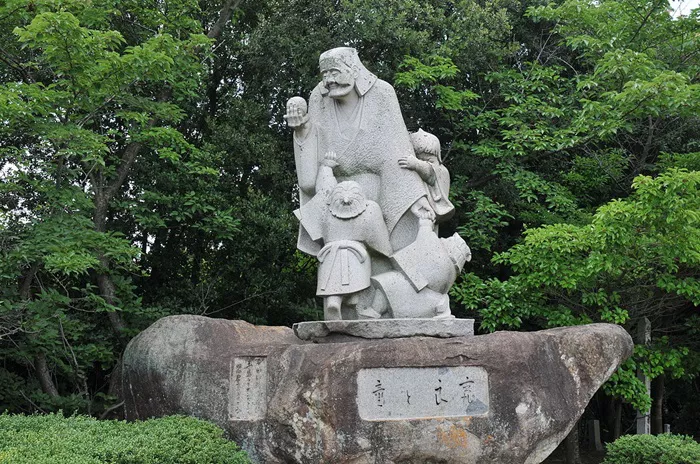

Ryokan (1758–1831) was one of the most beloved figures in Japanese Zen Buddhism. Known for his simplicity, humility, and deep compassion, Ryokan’s life and teachings have left an indelible mark on both the Zen tradition and the broader cultural landscape of Japan. He became famous for his poetry, his monastic lifestyle, and his deep connection with nature, demonstrating that true spirituality transcends material possessions and social status.
In this article, we will explore Ryokan’s life, teachings, and lasting legacy.
Early Life and Background
Ryokan was born as Kigen Yamamoto in the village of Izumozaki in present-day Niigata Prefecture. From a young age, he exhibited a deep interest in spirituality, which led him to study Buddhism. Initially, he was drawn to the teachings of various Buddhist sects before finding his place in the Soto Zen tradition. His early years were marked by personal struggles, but these experiences shaped his understanding of life’s impermanence, a central theme in his later works.
The Path to Zen
Ryokan’s spiritual journey was marked by a profound desire for simplicity and a search for true enlightenment. He entered the life of a monk at the age of 12 and later became a student of Zen master Soko. During his monastic training, Ryokan deeply engaged with meditation, the study of Buddhist texts, and the practice of asceticism. However, his teachings were not bound by rigid formalities. Ryokan sought to experience Zen through a direct, personal connection with the present moment, which led him to live a humble life of solitude in the mountains.
Zen Practice and Contemplative Life
In the Zen tradition, the practice of meditation (zazen) is central to awakening to one’s true nature. Ryokan spent much of his life in isolated areas, meditating in the quiet of nature. His sparse lifestyle and connection to the natural world allowed him to focus entirely on his spiritual practice. Through his contemplations, Ryokan embodied the Zen ideals of simplicity, humility, and compassion.
Teachings of Ryokan
Ryokan’s teachings are often expressed through his poetry and letters, which convey deep insights into Zen and Buddhist philosophy. One of his most significant teachings was that true enlightenment could not be found in elaborate rituals or intellectual knowledge, but in the direct experience of life itself. His poems reflect his understanding of impermanence, interconnectedness, and the importance of living authentically.
The Value of Simplicity
One of the key aspects of Ryokan’s life and teachings was his emphasis on simplicity. He believed that living simply and humbly was the path to inner peace and spiritual fulfillment. Ryokan rejected material wealth and social prestige, choosing instead to live a life of poverty in a small mountain hut. His poems often reflect his contentment with the most basic aspects of life, such as the changing seasons, a bowl of rice, or the simple beauty of nature.
Non-Attachment and Freedom
In Zen Buddhism, the concept of non-attachment is central. Ryokan’s life exemplified this teaching. He was not attached to any material possessions or social status, and his poetry often reflects his deep understanding of the transient nature of life. This sense of non-attachment allowed him to live freely, without being bound by worldly concerns. He believed that true freedom came from letting go of the ego and desires, embracing the present moment with openness and acceptance.
Compassion for All Beings
Ryokan’s teachings were not limited to personal enlightenment; they also emphasized compassion for others. His life was filled with acts of kindness and generosity, and his writings often expressed deep concern for the suffering of others. In his poems, he addressed not only the suffering of humans but also that of animals, plants, and even the earth itself. His compassion extended beyond human boundaries, illustrating his deep understanding of the interconnectedness of all life.
Ryokan’s Poetry
Ryokan’s poetry is one of the most cherished aspects of his legacy. He wrote in both Chinese and Japanese, often using simple, direct language to express profound Zen insights. His poems are infused with a deep reverence for nature, an awareness of impermanence, and an understanding of the nature of suffering. Some of his most famous poems are reflections on the fleeting nature of life, the beauty of the natural world, and the joy of being present in the moment.
Themes in Ryokan’s Poetry
One of the central themes in Ryokan’s poetry is the notion of impermanence. His works are filled with references to the changing seasons, the passing of time, and the fleeting nature of human existence. Ryokan often expressed his understanding of impermanence through metaphors drawn from nature, such as the blossoming and wilting of flowers, or the ebb and flow of rivers.
Another key theme is simplicity. Ryokan often wrote about the beauty of everyday life, finding spiritual depth in the most mundane activities. He celebrated small moments of joy, like sipping tea or watching a butterfly flutter by, as reflections of the deeper truths of the universe.
Legacy of Ryokan
Ryokan’s legacy lives on through his poetry, teachings, and the countless individuals he inspired. His life and work continue to influence Zen practitioners, poets, and artists, not only in Japan but around the world. Ryokan’s teachings remind us that the path to enlightenment is not through intellectual understanding or material wealth, but through a deep connection to the present moment and a life of simplicity, compassion, and mindfulness.
Ryokan’s Influence on Zen Buddhism
While Ryokan did not hold any formal position within the Zen Buddhist establishment, his teachings have become highly influential in Zen circles. His life serves as a model of the ideal Zen practitioner: someone who lives humbly, meditates deeply, and engages with the world with kindness and compassion. Many Zen practitioners look to Ryokan as an example of how to live a life of authenticity and spiritual depth.
Ryokan in Japanese Culture
Beyond the Zen tradition, Ryokan’s influence extends into Japanese literature, art, and culture. His poetry continues to be read and studied, and his life story has been the subject of numerous books, documentaries, and artistic works. Ryokan is remembered not only as a Zen monk but also as a cultural figure whose teachings transcended religious boundaries and resonated with people from all walks of life.
Conclusion
Ryokan (1758–1831) is a revered figure in Japanese Zen Buddhism, celebrated for his simplicity, compassion, and profound teachings. Born in Izumozaki, he lived a monastic life, deeply engaged in meditation and the practice of Zen. Ryokan rejected material wealth and social status, choosing a humble existence in nature, where he focused on direct spiritual experience.
Ryokan’s influence extends beyond Zen Buddhism, shaping Japanese culture, literature, and art. His legacy continues to inspire people worldwide, reminding them that spiritual depth is found not in material wealth but in compassion, mindfulness, and living authentically.
FAQs
1. What was Ryokan’s main teaching?
Ryokan’s main teaching was that true enlightenment is found through direct experience and a life of simplicity, humility, and compassion. He emphasized the importance of being present in the moment and letting go of material attachments and desires.
2. How did Ryokan live?
Ryokan lived a simple and solitary life in a small hut in the mountains, renouncing material wealth and social status. He spent his days meditating, writing poetry, and engaging with the natural world.
3. Why is Ryokan’s poetry so famous?
Ryokan’s poetry is famous for its simplicity, depth, and connection to nature. His poems convey profound Zen teachings through direct, accessible language, often reflecting his experiences with impermanence, beauty, and compassion.
4. What is Ryokan’s legacy today?
Ryokan’s legacy endures through his poetry, his teachings, and his influence on both Zen Buddhism and Japanese culture. His emphasis on simplicity, non-attachment, and compassion continues to inspire people worldwide.






















Sign in to leave a comment.