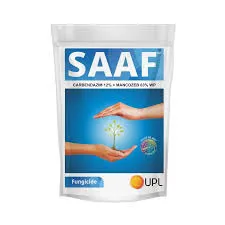

When it comes to protecting crops from harmful fungal diseases, choosing the right fungicide can make a huge difference in yield and quality. One such trusted solution widely used by farmers is Saaf Fungicide. Known for its powerful dual-action formula, it helps control a wide range of crop diseases effectively.
In this guide, you’ll understand the uses, benefits, and best practices of using Saaf Fungicide in a simple, practical way. This article is designed to be helpful for both beginners and experienced farmers looking to improve crop health and productivity.
What is Saaf Fungicide?
Saaf Fungicide is a systemic and contact fungicide that combines two active ingredients: Carbendazim and Mancozeb. This combination gives it both protective and curative properties, meaning it can prevent diseases as well as control existing infections.
Because of its dual-action formula, Saaf Fungicide is effective against many fungal diseases that commonly affect crops like vegetables, fruits, cereals, and pulses.
Saaf Fungicide Uses
Farmers use Saaf Fungicide for a variety of crops and disease conditions. Below are some of the most common uses:
1. Control of Leaf Spot Diseases
Leaf spot is a very common fungal problem that reduces photosynthesis and weakens plants. Saaf Fungicide helps control leaf spot effectively, keeping leaves green and healthy.
2. Management of Powdery Mildew
Powdery mildew appears as white powder on leaves and stems. This disease spreads quickly, especially in humid conditions. Saaf Fungicide works well in controlling and preventing its spread.
3. Treatment of Rust Diseases
Rust diseases can severely damage crops like wheat and pulses. Using Saaf Fungicide at the right time helps stop the infection and protects yield.
4. Control of Blight Diseases
Blight can destroy crops rapidly if not treated early. Saaf Fungicide helps in managing early and late blight in crops such as tomatoes and potatoes.
5. Seed Treatment
Saaf Fungicide is also used as a seed treatment to protect seeds from soil-borne fungal infections. This ensures better germination and stronger plant growth from the start.
Crops Where Saaf Fungicide is Commonly Used
Saaf Fungicide is versatile and can be used on many crops, including:
- Vegetables: Tomato, potato, chilli, onion
- Fruits: Grapes, apple, mango
- Cereals: Wheat, rice
- Pulses: Gram, lentils
- Oilseeds: Mustard, soybean
Farmers trust it because it works across multiple crops, reducing the need for different fungicides.
Key Benefits of Saaf Fungicide
1. Dual Action Protection
One of the biggest advantages of Saaf Fungicide is its dual mode of action. It works as both a systemic and contact fungicide:
- Systemic action protects from inside the plant
- Contact action protects the plant surface
This ensures complete protection against fungal infections.
2. Preventive and Curative Effect
Saaf Fungicide not only prevents diseases but also cures existing infections. This makes it highly reliable during unexpected disease outbreaks.
3. Wide Disease Control Spectrum
It controls a large number of fungal diseases, which means farmers don’t need multiple products. This saves both time and cost.
4. Improves Crop Yield and Quality
Healthy plants produce better yields. By controlling diseases effectively, Saaf Fungicide helps improve both the quantity and quality of produce.
5. Cost-Effective Solution
Since it works on many crops and diseases, it reduces the need for additional fungicides. This makes it a budget-friendly option for farmers.
6. Easy to Use
Saaf Fungicide is simple to mix and apply, making it suitable even for farmers who are new to crop protection practices.
How to Use Saaf Fungicide Effectively
To get the best results, proper usage is very important.
Recommended Dosage
- Typically, 2–2.5 grams per liter of water
- Always follow the instructions on the product label
Application Method
- Spray evenly on leaves and stems
- Ensure full coverage of the plant
- Use a good quality sprayer for better results
Best Time to Apply
- Early morning or late evening
- Avoid spraying during strong sunlight or rain
Frequency
- Apply at the first sign of disease
- Repeat every 10–15 days if needed
Tips for Better Results
- Always use clean water for mixing
- Do not overdose, as it may harm plants
- Rotate with other fungicides to avoid resistance
- Wear protective gear while spraying
Why Farmers Trust Managramasethu for Saaf Fungicide
When choosing agricultural inputs, quality and reliability matter a lot. Many farmers prefer trusted suppliers like Managramasethu for purchasing Saaf Fungicide because of consistent product quality and dependable service.
Using genuine products from reliable sources ensures better results and protects crops from unnecessary risks.
Common Mistakes to Avoid
Even a good fungicide may not give results if used incorrectly. Here are some mistakes to avoid:
- Spraying too late after disease has spread heavily
- Using incorrect dosage
- Not covering the entire plant during spraying
- Mixing with incompatible chemicals
Avoiding these mistakes will help you get maximum benefit from Saaf Fungicide.
Safety Precautions
While Saaf Fungicide is effective, safety is important:
- Wear gloves and mask while handling
- Keep away from children and animals
- Store in a cool, dry place
- Wash hands after use
Conclusion
Saaf Fungicide is a powerful and reliable solution for managing fungal diseases in a wide range of crops. Its dual-action formula, wide usability, and cost-effectiveness make it a preferred choice among farmers.
Whether you are dealing with leaf spot, blight, rust, or mildew, Saaf Fungicide offers a practical and efficient way to protect your crops and boost productivity.
For best results, always use it correctly and source it from trusted providers like Managramasethu. With proper usage, you can ensure healthier crops, better yields, and improved farm profitability.






























Sign in to leave a comment.