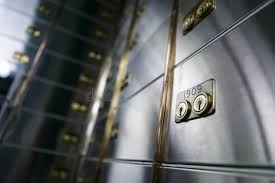
When banks, private vaults, and luxury security firms purchase safe deposit boxes, the quality of the product is more than just metal and locks it’s about trust, durability, and certified safety. That’s why choosing the right supplier is critical. A safe deposit box may look simple, but behind each secure door lies advanced engineering, international standards, and years of manufacturing expertise.
If you're working with or looking for reliable safe deposit box suppliers, here’s what you should expect in terms of quality and certification and why it matters for your business and your clients.
1. Material Quality: Strength Begins with Steel
At the core of every high-security box is the material it’s made from. Trusted suppliers use reinforced steel, stainless steel, or specialized anti-rust alloys to create boxes that resist drilling, tampering, fire, and long-term wear.
What to Expect:
- Thick steel panels with rust-resistant finishes
- Laser-cut components for tight tolerances
- Multi-layer doors for added protection
- Scratch-resistant powder coating for a clean, lasting finish
Red Flag: If a supplier cannot provide material specs or uses low-grade sheet metal, it’s a warning sign of poor durability.
2. Consistent Build and Finish
One way to test a supplier’s quality is to inspect multiple boxes. A professional supplier will maintain uniform dimensions, welds, and finishes across every unit. There should be no sharp edges, visible gaps, or loose fittings.
Reliable suppliers use CNC machines and automated assembly lines to ensure each unit meets the same safety and quality standards especially important for large installations in banks and vaults.
3. Certified Security Standards
This is perhaps the most important aspect of any safe deposit box. Reputable safe deposit box suppliers should offer products that meet international safety and performance certifications, such as:
- UL (Underwriters Laboratories) – Tests for burglary and fire resistance
- CE Marking (European Conformity) – Ensures products meet EU health and safety standards
- ISO 9001 – Assures a consistent, quality-controlled manufacturing process
Why Certification Matters:
Certified boxes are tested against real-world conditions they’re drilled, burned, dropped, and stressed to ensure they won’t fail when it matters most.
Pro Tip: Always request certification documents or test reports before purchase.
4. Locking Systems: Beyond Just a Key
A high-quality supplier will give you multiple locking options, not just traditional key locks. These may include:
- Dual-control locks (two keys required)
- Time-delay locks (to prevent quick theft)
- Electronic access systems
- Audit trail systems (records of access history)
Many modern suppliers also offer integration with biometric scanners, RFID access, or centralized digital control panels.
If a supplier only offers basic locking hardware, they may not meet the security expectations of high-end facilities.
5. Customizability for Your Facility
Not every bank or vault room is the same. Top tier safe deposit box manufacturers
should offer:
- Custom box sizes
- Personalized box numbering or branding
- Modular system layouts
- Multiple cabinet heights and widths
- Options for color, finish, and lock types
Customization is especially important for luxury vaults or facilities with limited space.
Trusted suppliers like LastingSafe are known for offering flexible configurations while maintaining certified safety and structural strength.
6. Production Standards and Factory Practices
Ask the supplier about their production process. Are they using modern equipment like:
- CNC machining
- Laser cutting
- Robotic welding arms
- ISO-compliant assembly lines?
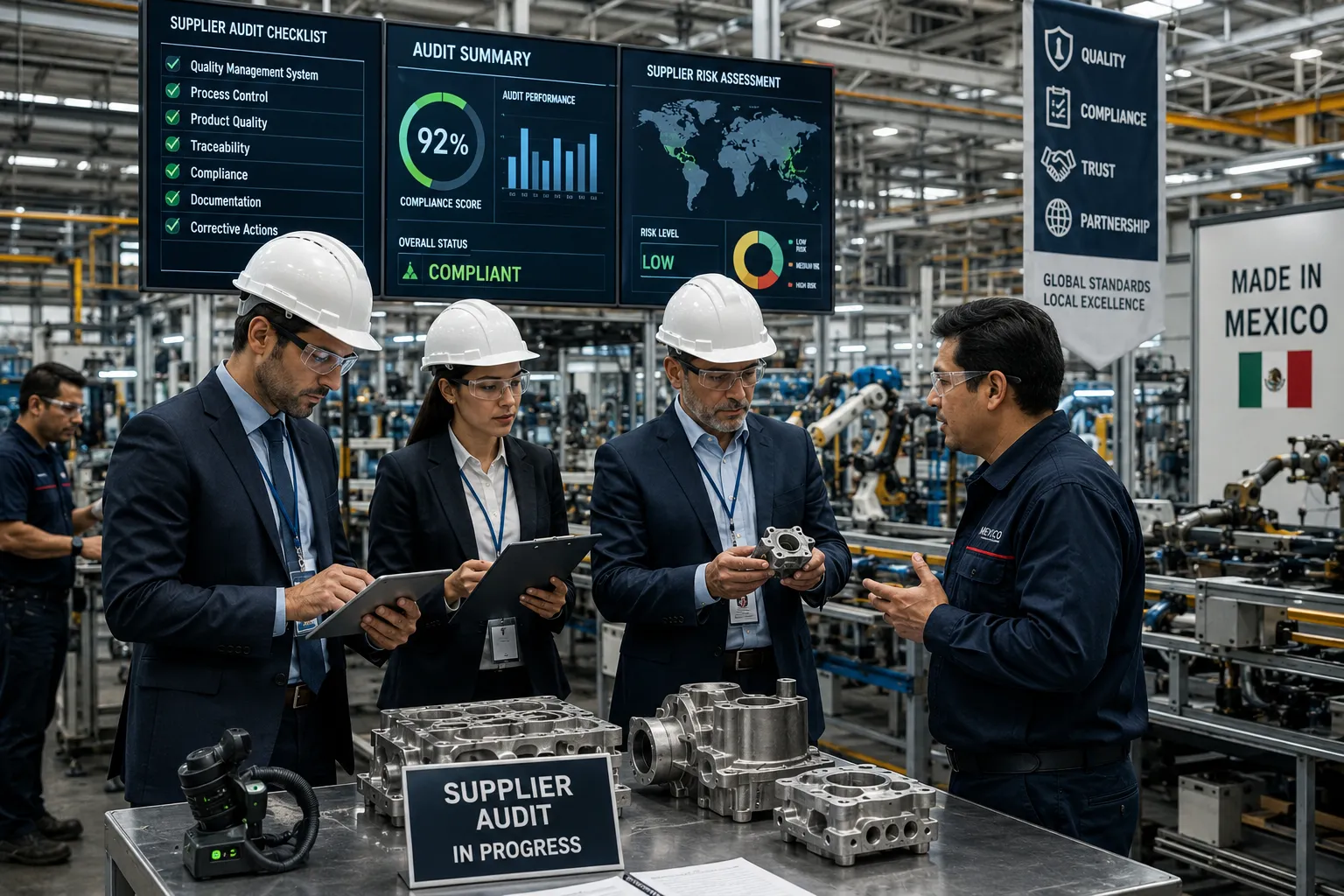
A good supplier should also follow clean factory practices and rigorous quality control at every stage from raw material inspection to final product testing.
Ask for a factory tour (virtual or in-person) or request photos/videos of the production process.
7. Installation and After-Sales Support
Even the best safe deposit box is only effective if installed properly. Reliable suppliers provide:
- Installation instructions
- Mounting hardware
- On-site installation services (or recommended partners)
- After-sales support and maintenance advice
In case of lock malfunctions or technical questions, 24/7 technical support can be a game-changer for your operations.
Be cautious of suppliers who “sell and disappear” without any warranty or service follow-up.
8. Documentation and Traceability
Premium suppliers deliver more than just the product they provide detailed documentation, including:
- User manuals
- Maintenance guides
- Certification documents
- Locking system keys and serial tracking
Having proper records helps when replacing keys, ordering spare parts, or conducting audits in your facility.
9. Client References and Global Footprint
Trusted suppliers will gladly share:
- Case studies
- Client lists
- Export records
- Testimonials from banks or high-security clients
A supplier that has worked with institutions across Europe, North America, and Asia (like LastingSafe) brings experience, reliability, and international trust.
10. Warranty and Long-Term Reliability
Good suppliers back their products with solid warranties. Expect:
- 1 to 5 years warranty on parts and locks
- Clear terms for replacements or returns
- Access to replacement keys and lock upgrades
Warranty is not just about fixing problems it's proof that the supplier stands behind their product.
Final Thoughts
When evaluating safe deposit box suppliers, never settle for looks or low prices alone. True quality comes from:
- Certified materials
- Precise manufacturing
- Advanced locking technology
- Full documentation and after-sales support
If your facility protects millions (or billions) in client assets, your security system is only as strong as the boxes you install. That’s why suppliers like LastingSafe, with their international certifications, modern production standards, and 20+ years of experience, continue to lead the global market in secure storage solutions.



























Sign in to leave a comment.