
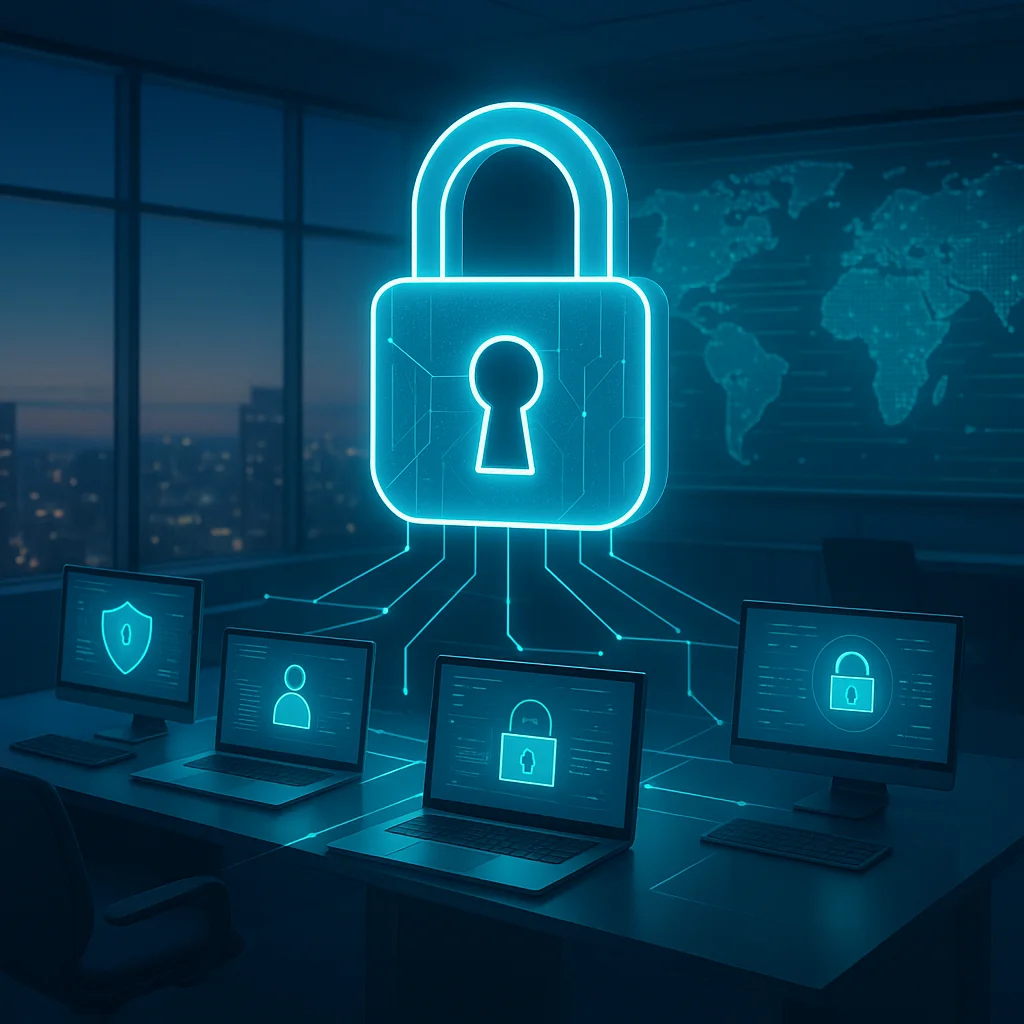
In today's interconnected world, protecting sensitive data has become more critical than ever. Cybersecurity plays a pivotal role in defending against evolving cyber threats and ensuring the integrity, confidentiality, and availability of valuable information. Let's explore in detail how cybersecurity measures are instrumental in safeguarding sensitive data in the digital age.
Data Privacy and Protection: One of the primary responsibilities of cybersecurity is to protect the privacy of sensitive data. By employing robust encryption techniques, access controls, and secure storage practices, organizations can shield personal and confidential information from unauthorized access and disclosure. Encryption transforms data into an unreadable format, making it virtually impossible for unauthorized individuals to decipher. Access controls ensure that only authorized personnel can access sensitive data, and secure storage mechanisms provide additional layers of protection, preventing unauthorized tampering or retrieval.
Mitigating Unauthorized Access: Cybersecurity practices such as authentication mechanisms, strong passwords, and multi-factor authentication play a crucial role in preventing unauthorized access to sensitive data. These measures ensure that only authenticated individuals or systems can access and manipulate the data, significantly reducing the risk of data breaches. Authentication mechanisms verify the identity of users attempting to access data, while strong passwords enforce the use of complex combinations that are difficult to crack. Multi-factor authentication adds an extra layer of security by requiring additional verification factors, such as a unique code sent to a user's mobile device.
Countering Malicious Attacks: In the face of malware, ransomware, phishing attacks, and other malicious activities, cybersecurity acts as a defensive shield. By implementing antivirus software, firewalls, and regular security updates, organizations can protect sensitive data from these threats and mitigate potential damages. Antivirus software scans for and removes malicious programs, while firewalls monitor and control incoming and outgoing network traffic, filtering out potentially harmful data packets. Regular security updates and patches help close vulnerabilities that could be exploited by attackers, ensuring systems are equipped with the latest defenses.
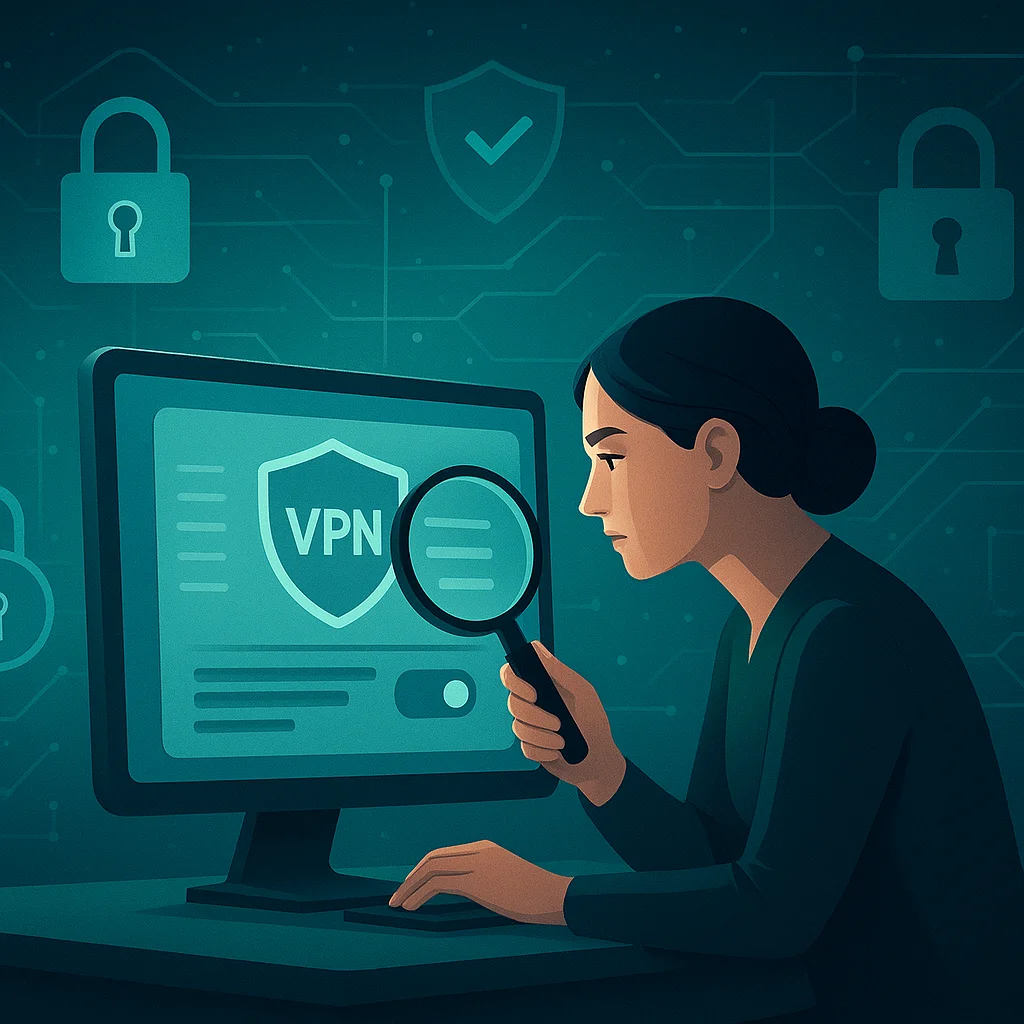
Ensuring Secure Communication Channels: Cybersecurity focuses on securing communication channels to prevent unauthorized interception or tampering. Encryption protocols, secure email systems, and virtual private networks (VPNs) ensure that sensitive data remains protected during transmission, even across potentially insecure networks. Encryption encodes data into a format that can only be deciphered by the intended recipient, safeguarding it from unauthorized viewing. Secure email systems employ encryption and digital signatures to protect the confidentiality and integrity of email communications. VPNs establish secure connections over public networks, creating a private and encrypted tunnel for data transmission.
Incident Response and Recovery: Despite preventive measures, security incidents can occur. Here, a robust cybersecurity framework includes comprehensive incident response strategies. Prompt identification of security breaches, containment of damage, and efficient recovery processes are vital in minimizing the impact on sensitive data and business operations. Incident response plans outline the steps to be taken in the event of a security incident, including incident reporting, containment procedures, forensic analysis, and recovery measures. By following a well-defined incident response plan, organizations can minimize downtime, prevent data loss, and restore normal operations as quickly as possible.
Compliance and Legal Requirements: Many industries are subject to specific regulations and legal obligations regarding data protection. Implementing cybersecurity measures helps organizations comply with these requirements, ensuring they meet necessary standards and avoid potential penalties or reputational damage. Compliance frameworks such as the General Data Protection Regulation (GDPR) and industry-specific regulations outline guidelines for handling sensitive data. Cybersecurity measures such as data encryption, access controls, and regular security audits help organizations align with these regulations and protect sensitive data.
Recommended Cybersecurity Services: To enhance the protection of sensitive data, businesses can benefit from leveraging professional cybersecurity services. These services provide specialized expertise and tools to strengthen cybersecurity defenses. Here are a few recommendations:
Network Security Solutions: Deploying advanced firewalls, intrusion detection systems, and network monitoring tools to safeguard against external threats and unauthorized access attempts.
Endpoint Protection: Implementing robust antivirus software, anti-malware solutions, and endpoint detection and response (EDR) tools to defend against malware and ransomware attacks.
Data Encryption Services: Utilizing encryption solutions to secure data at rest and in transit, protecting it from unauthorized access even if breached or intercepted.
Vulnerability Assessment and Penetration Testing: Conducting regular assessments to identify vulnerabilities in systems and networks, followed by penetration testing to evaluate their resilience and address any weaknesses.
Security Incident Response Services: Engaging incident response teams or cybersecurity professionals to develop comprehensive incident response plans, conduct forensic investigations, and guide organizations during security incidents.
Conclusion: In the digital age, safeguarding sensitive data is paramount for organizations across industries. With the ever-increasing sophistication of cyber threats, robust cybersecurity measures are indispensable. By prioritizing data privacy, countering unauthorized access, mitigating attacks, ensuring secure communication, and implementing effective incident response strategies, businesses can protect their sensitive data and maintain the trust of their stakeholders. Additionally, leveraging specialized cybersecurity services enhances the overall security posture and resilience of sensitive data in the face of evolving cyber risks. By adopting a comprehensive and proactive approach to cybersecurity, organizations can navigate the digital landscape with confidence and safeguard their most valuable asset - sensitive data.

























Sign in to leave a comment.