

Finding fast, reliable care at a Medical Center in Hialeah can make a big difference on a busy day. Same-day and walk-in options help you get treatment without long waits or complex scheduling. Whether it’s a sudden fever, a minor injury, or a medication refill, these clinics are built for speed and clarity. You get practical help, clear instructions, and a path back to your routine.
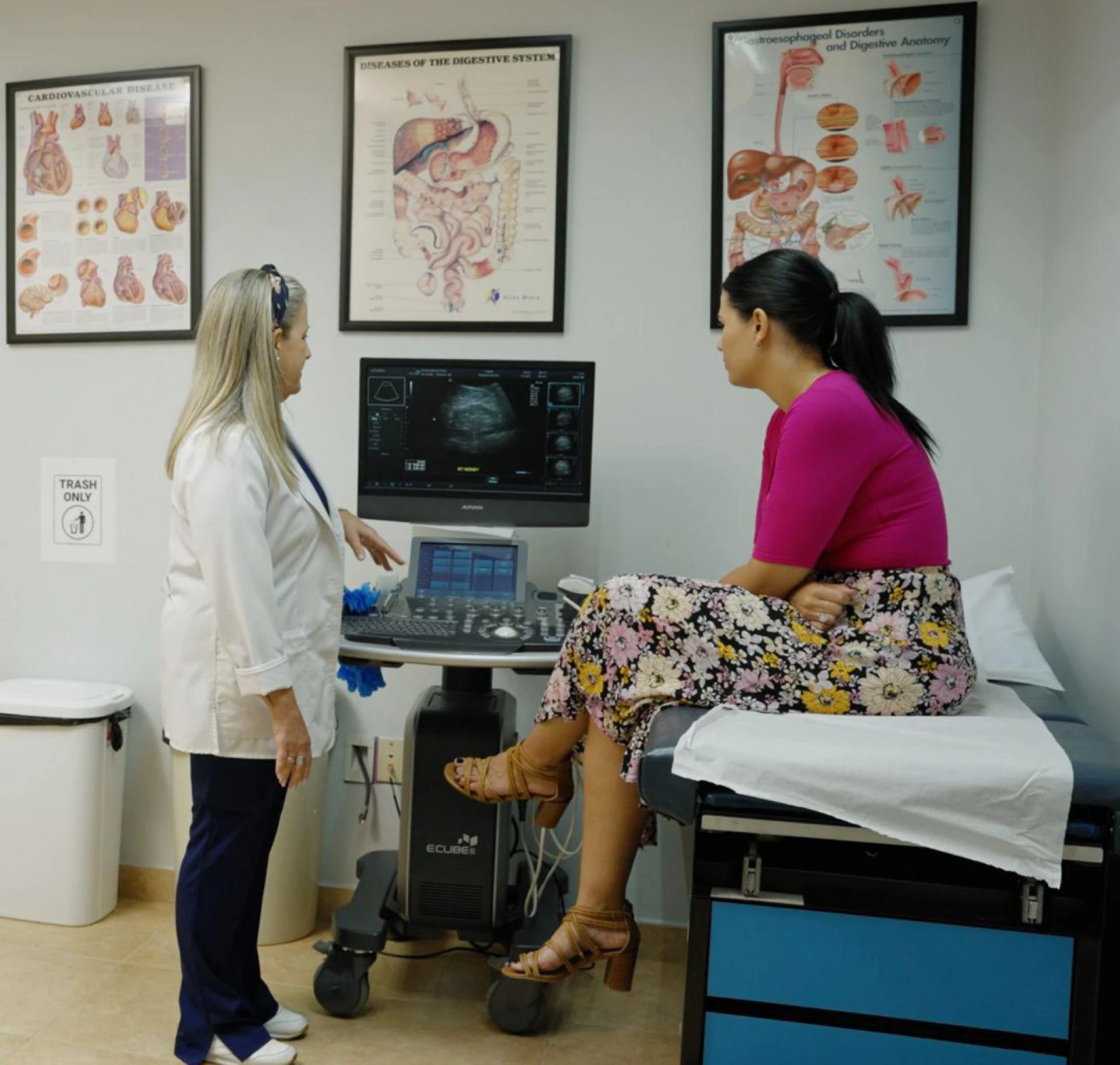
What “Same-Day” and “Walk-In” Really Mean
Same-day care means you can book an appointment for the same day you call or go online. Walk-in care allows you to arrive without an appointment and be seen as soon as a clinician becomes available. Many Hialeah clinics offer both options, so you can choose what works best for your schedule.
These services handle common, non-life-threatening problems. Think sore throats, ear pain, pink eye, sinus infections, rashes, mild asthma flares, simple cuts, sprains, and minor burns. They also cover quick tests and vaccines. If your condition is serious—chest pain, severe shortness of breath, stroke symptoms—go to the ER or call emergency services.
The goal is simple: fast access, focused exams, and clear next steps. You should leave with a plan that you understand and a way to follow up if you do not see improvement.
- Same-day slots for quick scheduling
- Walk-in access without appointment
- Clear care plans for common issues
When Walk-In Care Is the Right Choice
Walk-in care fits sudden needs. You wake up with a sore throat. Your child twists an ankle at practice. A rash shows up after yard work. Instead of waiting days to see your regular doctor, you can get checked quickly and return to work or school with a plan.
It’s also a wise choice for basic services. Many clinics offer school and sports physicals, simple STD screening, pregnancy tests, travel vaccines, and flu shots. If you need a quick lab or X-ray, some centers have these services on-site.
If you already have a primary care doctor, urgent care can still help after hours or on weekends. Bring the plan back to your doctor for follow-up. This keeps your long-term care on track.
- Acute needs without ER wait times
- Quick physicals, vaccines, and tests
- Evening and weekend access
What Conditions Are Usually Treated
Most same-day and walk-in clinics treat a wide range of everyday issues. This helps you avoid unnecessary ER visits and lengthy waitlists for specialists. Common visits include respiratory infections, ear infections, simple eye problems, and stomach bugs.
Minor injuries are also common. Clinics can handle sprains, strains, simple fractures (with the use of splints), minor burns, and small cuts that may require stitches or skin glue. If imaging is needed, a quick X-ray often confirms the plan.
Medication questions come up often. You can obtain short-term refills for essential medications, inhaler updates, or antibiotics when necessary. The team will check drug interactions and allergies before prescribing.
- Colds, flu, ear/eye infections
- Simple injuries and wound care
- Short-term medication needs
What to Bring and How to Prepare
Preparation speeds up your visit. Please bring a photo ID, insurance card, a list of medications (or photos of the labels), and any relevant allergies. If you have recent test results or a note from your primary care doctor, bring those as well.
Create a short list of your top symptoms and note when they began. Note any home treatments you already tried and how well they worked. Be prepared to share your medical history, including any surgeries and chronic conditions.
If you are bringing a child, please pack their vaccine card, if available. For sports physicals, get the required school forms. These small steps reduce delays, enabling the clinician to act quickly.
- ID, insurance, and medication list
- Symptom timeline and past treatments
- Forms or vaccine records, if needed
Check-In, Triage, and Wait Times
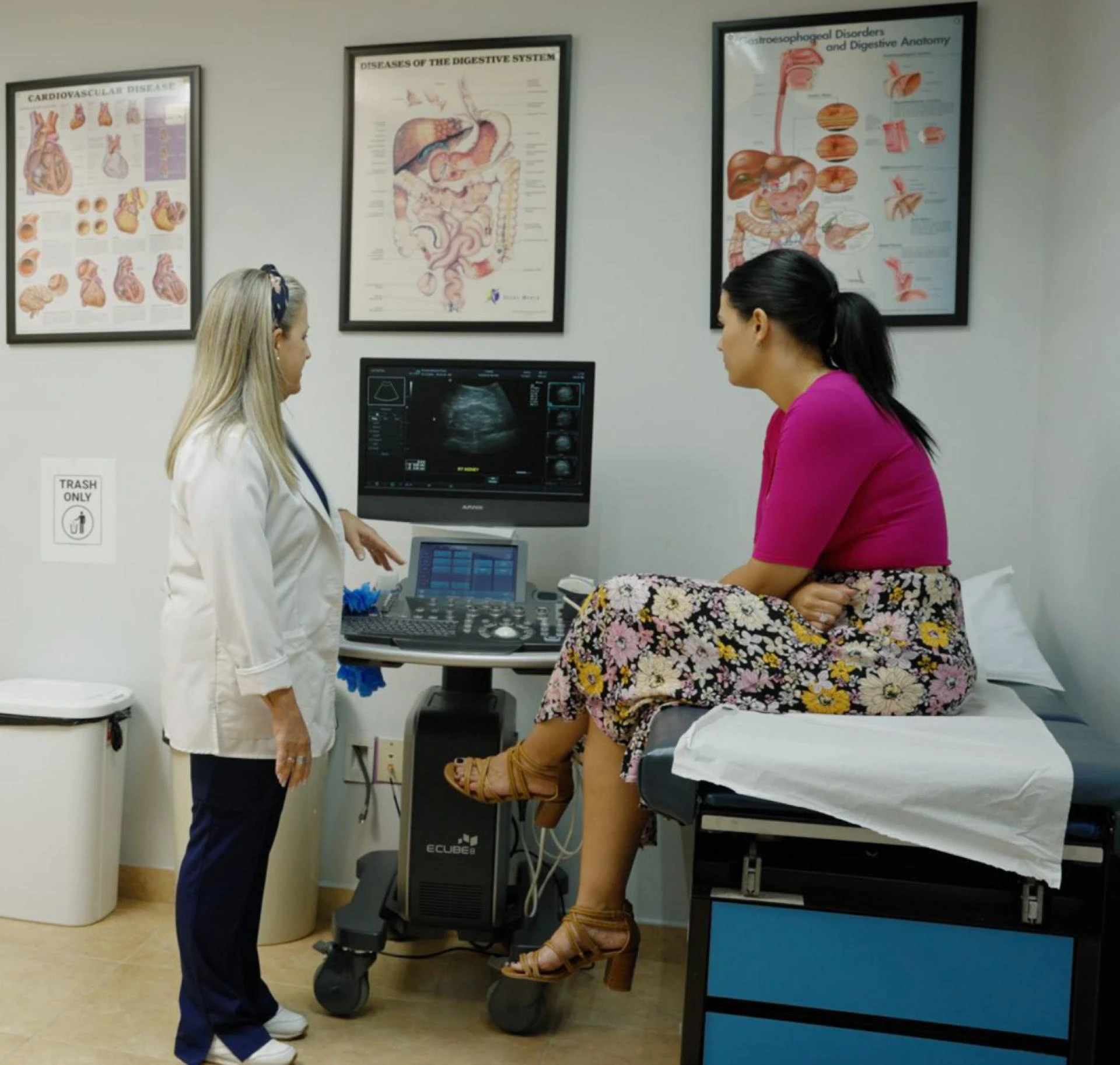
At most clinics, you check in at the front desk or a kiosk, share your symptoms, and complete a short form. Some centers allow you to save a spot online to cut the wait. Triage helps the team sort patients by urgency, not just arrival time.
Wait times vary by day and hour. Evenings and weekends can be busier. If your condition changes while you wait—such as worsening pain, a fever spike, or breathing issues—please notify the staff. Safety comes first.
Once called, a nurse takes your vitals, and a clinician evaluates you. They may order a quick test or imaging before finalizing the plan. Most visits last between 30 and 60 minutes, depending on their complexity.
- Quick check-in and triage
- Online “save your spot” options
- Typical visit: 30–60 minutes
On-Site Testing and Treatments
Speed matters when you don’t feel well. Many Hialeah clinics offer on-site labs for rapid tests, including those for strep, flu, COVID-19, urine, and pregnancy. Some run basic blood work. An X-ray is often used to check for possible fractures or pneumonia.
Common treatments include splints, stitches or skin glue, wound cleaning, ear wax removal, breathing treatments for asthma, and IV fluids for mild dehydration. If you need a prescription, the clinic can send it to your pharmacy or, in some cases, dispense it on-site.
Results are typically shared before you leave, accompanied by a printed or portal-based summary. You should get clear instructions and warning signs that mean you should return or go to the ER.
- Rapid tests and basic labs
- X-ray and minor procedures
- Clear discharge instructions
Costs, Insurance, and Payment Options
Walk-in clinics aim for transparent pricing. Copays are often lower than those for ER visits, and cash rates are usually posted or available upon request. If you have insurance, confirm the clinic is in-network and ask about expected copays or coinsurance.
If you pay cash, ask about package prices for common visits, such as sore throat care with a rapid test or a sprain with X-ray and a splint. Knowing costs upfront prevents surprises and helps you plan effectively.
Bring a payment method and ask for an itemized receipt. If you need forms for work or school, request them before you leave to avoid a return trip.
- Confirm in-network status and copays.
- Ask for cash bundles when self-pay
- Get an itemized receipt and the needed forms
When to Choose the ER Instead
Urgent care is not the right place for emergencies. Go to the ER or call emergency services for chest pain, severe shortness of breath, stroke symptoms, heavy bleeding, severe head injuries, high fever in very young infants, or severe allergic reactions with swelling or trouble breathing.
If you’re unsure, call the clinic and describe your symptoms. They can guide you to the right level of care. Many centers post triage guidance on their websites to help you make an informed decision.
Your safety is the priority. Choosing the ER for true emergencies can save time and lives.
- Chest pain, stroke signs, severe trouble breathing
- Heavy bleeding or major injuries
- Severe allergic reactions
How Walk-In Care Works With Your Primary Doctor
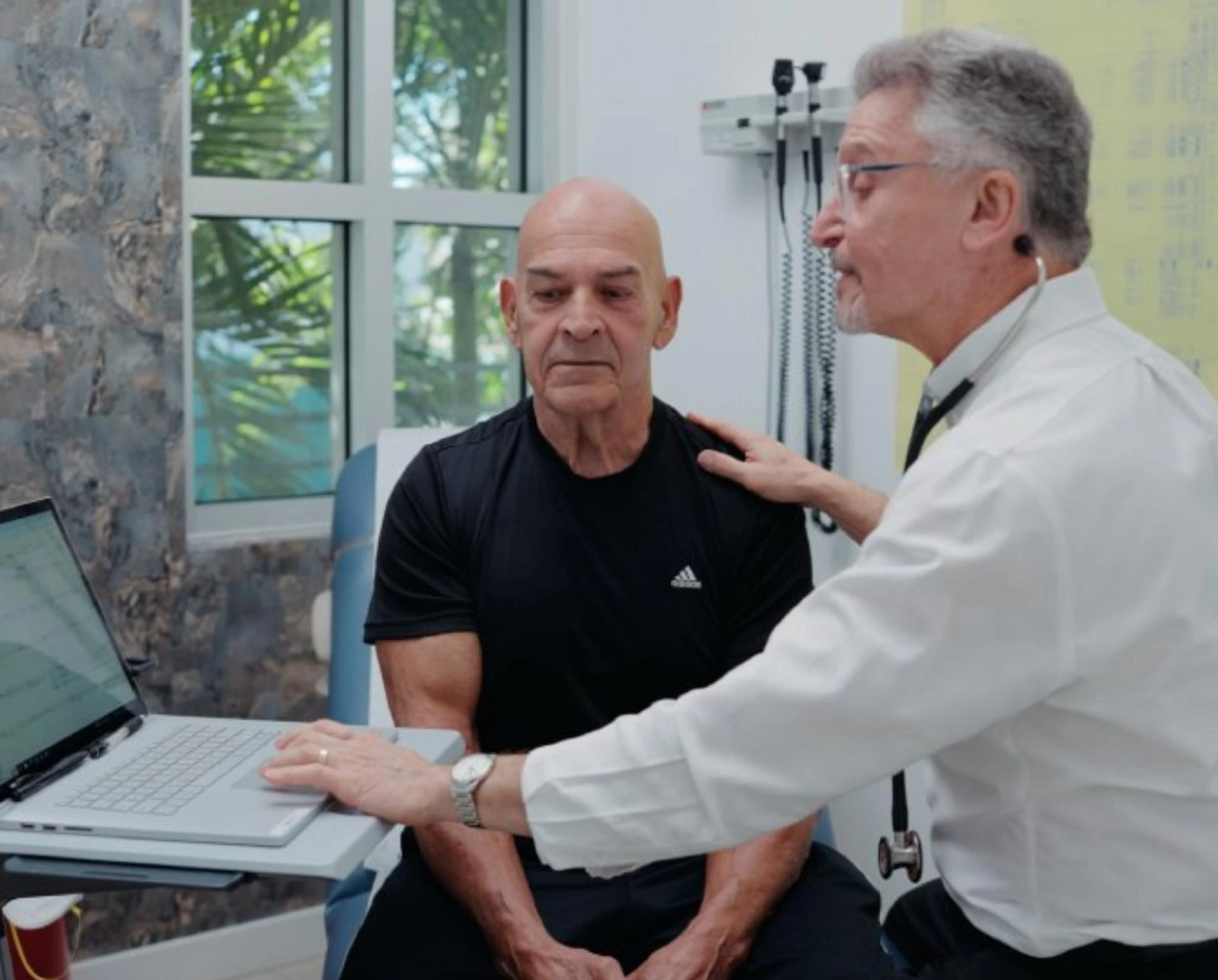
Same-day clinics work best as part of a bigger plan. If you have a primary care doctor, share your walk-in visit notes. Most clinics can send records with your permission. This keeps your history complete and prevents duplicate tests.
If you don’t have a primary doctor yet, ask the clinic for referrals. They often know who has openings and which offices offer bilingual care, extended hours, or telehealth. Establishing primary care helps prevent illness and promote long-term health.
Follow-up matters. If you do not improve or if tests come back with new information later, schedule a check-in. A brief visit can prevent a minor issue from escalating into a major one.
- Share records with your primary doctor.
- Ask for referrals if you need a PCP
- Plan a follow-up if symptoms persist
Tips to Make Your Visit Faster and Smoother
A little planning goes a long way. Many clinics allow you to fill out forms online before your arrival. Use the portal to upload your insurance and ID information. This speeds check-in and reduces waiting room time.
Be clear and brief when describing symptoms. Focus on the central problem and the timeline. If you have multiple concerns, mention them upfront so the clinician can prioritize them effectively.
Use the discharge summary. It outlines what was done, what needs to be done next, and what to watch for. Save it in your phone or portal for easy access.
- Pre-register online when possible
- Share a clear symptom timeline
- Save and follow your discharge plan
Common Myths About Walk-In Care
Myth: “Walk-in clinics are only for minor colds.” Reality: They handle a wide range of non-emergency issues, including sprains, ear infections, and basic procedures.
Myth: “Care is rushed and low quality.” Reality: Quality varies by clinic, but experienced physicians, NPs, and PAs staff many centers. The model is efficient, not careless.
Myth: “They don’t coordinate with my doctor.” Reality: With your consent, most clinics send visit notes and results to your primary care office.
- Non-emergency, not “minor only”
- Efficient doesn’t mean poor quality
- Coordination is familiar with consent
The Bottom Line
Same-day and walk-in care in Hialeah provides fast, practical assistance for common health issues. You get quick access, on-site tests, and clear instructions without the cost and wait of an ER—when it is not an emergency. These clinics fit real life: work, school, family, and the unexpected.
Know when to use urgent care and when to go to the ER. Please bring your ID, insurance information, and a list of your medications. Ask for clear prices and a written plan. If you have a primary doctor, loop them in. If not, use the clinic to help you find one.
With a brilliant plan and the right clinic, you can handle sudden health needs with less stress and more confidence—so you can get back to your day in Hialeah.



























Sign in to leave a comment.