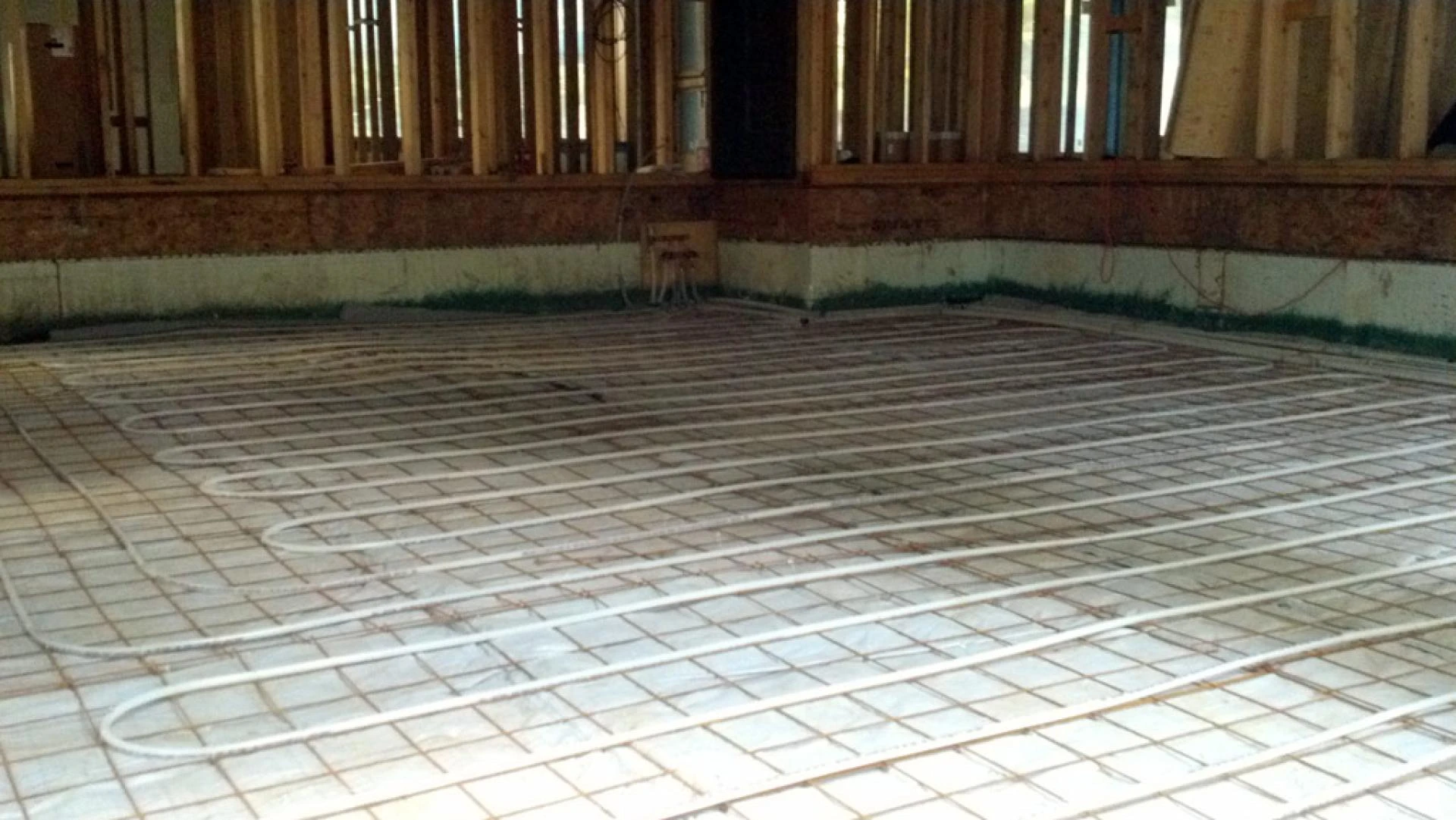

Walking barefoot on a floor that radiates gentle warmth is one of those simple pleasures that instantly make a house feel like home. The subtle heat underfoot transforms cool tiles, wood, or stone into inviting surfaces. Modern in-floor radiant heating systems make this possible while optimizing energy use, creating a balance of comfort, efficiency, and design harmony that supports relaxed living and enhances the atmosphere of every room throughout the year, bringing steady coziness, reducing cold spots, and adding a touch of everyday luxury to your home.
How In-Floor Radiant Heating Systems Work
In-floor radiant heating systems operate by circulating warm water or electricity through tubing or mats embedded beneath the floor surface. The heat spreads evenly across the floor, warming people and objects rather than just the air. This method ensures consistent comfort without the uneven hot and cold zones typical of traditional forced-air heating.
For example, in a kitchen with stone tiles, radiant heat warms the surface efficiently, allowing you to walk barefoot comfortably while keeping the air at a moderate temperature. The system is virtually silent, eliminating the hum of vents and fans, and reducing dust circulation, which can improve indoor air quality, a subtle yet significant benefit for households with allergy concerns.
Maximizing Energy Efficiency
A key advantage of radiant heating is its energy efficiency. Unlike traditional systems that must heat an entire room to reach comfort, radiant floors warm surfaces directly, reducing overall energy consumption. Homeowners, contractors, and builders looking to enhance efficiency in Canadian climates can optimize this feature.
Installing an in-floor heat system with proper zoning allows precise temperature control for each room. For instance, bathrooms or living areas can be heated to different levels depending on usage, avoiding energy waste. In addition, modern thermostats and smart controls enable scheduling, so floors are warm only when needed. This combination of controlled heat and zoned design makes a tangible difference in energy bills.
Another practical tip is pairing in-floor heating with insulation upgrades. Adding reflective barriers beneath floors can direct heat upward, reducing heat loss and improving system performance. Strategic installation ensures maximum efficiency without sacrificing comfort.
Choosing the Right System for Your Space
Selecting the appropriate in-floor heat system is essential for performance and longevity. Hydronic systems, which circulate warm water, are ideal for larger homes or full-floor applications. Electric systems are better suited for smaller areas or retrofit projects due to simpler installation.
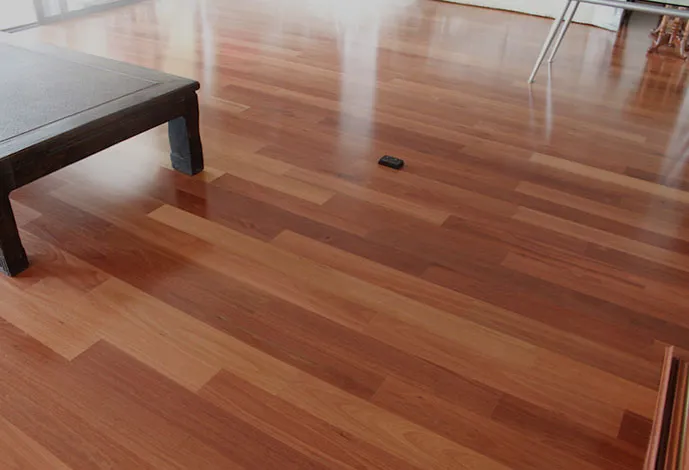
Material choice also matters. Tile, stone, and concrete conduct heat effectively, while wood or laminate may require specialized installation to prevent warping or uneven expansion. Considering these factors during design ensures that the heating system complements the home’s aesthetic while providing consistent warmth.
Long-Term Benefits of In-Floor Radiant Heating
Beyond comfort, modern in-floor radiant heating systems offer measurable financial benefits. Heating from the floor allows for lower thermostat settings while maintaining a comfortable environment, reducing energy use and costs. Over time, these savings can offset installation expenses.
Durability is another benefit. Well-installed systems, particularly hydronic variants, can last decades with minimal maintenance. Tubing beneath floors is protected from wear and tear, while electronic components are designed for long-term reliability.
In addition, the absence of bulky radiators or vents enhances interior design flexibility. Furniture placement is unrestricted, and rooms feel cleaner and more open—a subtle design improvement that makes homes feel larger and more inviting.
Integrating Modern Controls
Advanced thermostats and smart systems enhance both comfort and efficiency. Many in-floor heating systems now integrate with home automation, allowing remote adjustments and scheduling. This capability is especially valuable for Canadian homeowners managing multiple seasonal climates.
Optimizing energy use includes setting floor temperatures to respond dynamically to occupancy patterns. For example, living rooms can be warmer during evenings when family members gather, while bedrooms remain cooler for sleeping. These practical adjustments ensure the system works intelligently, not harder, maximizing savings and comfort.
Conclusion
Modern in-floor radiant heating systems are more than a luxury, they are a smart investment in comfort and energy efficiency. By choosing the right materials, system type, and controls, homeowners can enjoy warm floors, reduced energy bills, and a flexible, aesthetically pleasing living space. Incorporating an in-floor heat allows precise heating, improved indoor air quality, and lasting performance, making it a worthwhile addition to any Canadian home, especially for families who value comfort, reliability, and long-term home sustainability, all while creating a consistent indoor environment that feels balanced, inviting, and tailored to everyday living needs.




























Sign in to leave a comment.