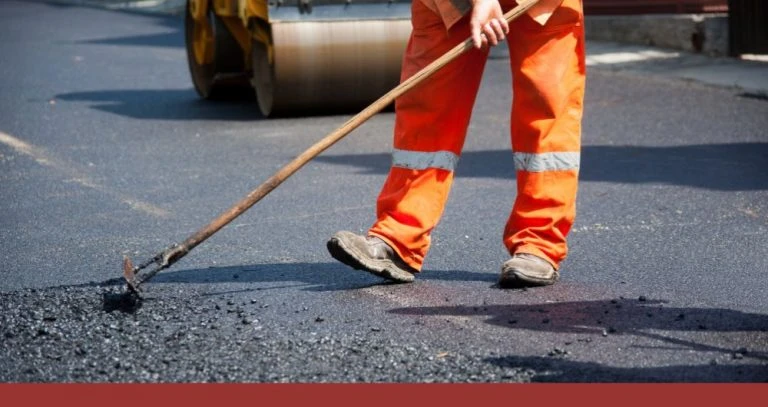

Keeping your asphalt in top condition requires more than occasional repairs — it requires choosing the right maintenance strategy at the right time. In the latest blog from Gopher State Sealcoat, we break down the key differences between sealcoating and asphalt resurfacing so property owners can make confident, cost-effective decisions. If your driveway or parking lot is starting to show signs of wear, understanding these two services can save you money and extend the life of your pavement.
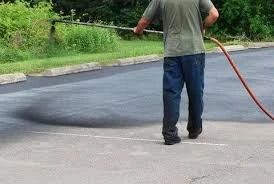
Sealcoating is a preventative maintenance solution designed to protect asphalt from oxidation, moisture intrusion, oil spills, and harsh weather conditions. When applied at the right time, it restores that rich black finish while forming a protective barrier that slows deterioration. This option is ideal for surfaces that are structurally sound but beginning to fade or develop minor surface cracks. Routine sealcoating can dramatically extend pavement lifespan and reduce long-term repair costs.
Asphalt resurfacing, however, is the better solution when damage runs deeper. If your pavement shows widespread cracking, potholes, drainage issues, or surface instability, resurfacing adds a new layer of asphalt over the existing base to restore strength and smoothness. It provides a refreshed driving surface without the expense of a full tear-out and replacement, making it a practical middle-ground investment.
Choosing between sealcoating and resurfacing depends on the condition of your asphalt, your budget, and your long-term maintenance goals. Read the full blog to dive deeper into each feature and learn how to implement them effectively. With expert insight from Gopher State Sealcoat, you’ll gain the clarity needed to protect your pavement and maximize its performance for years to come.























Sign in to leave a comment.