

Introduction
Heat pumps are becoming increasingly popular with homeowners looking for efficient, year‑round comfort without the need for separate heating and cooling systems. With energy costs rising and more people seeking sustainable HVAC solutions, understanding how to transition your heat pump between seasons and keep it performing at its best is essential. In this article, we dive into the workings of heat pumps, seasonal transition strategies, maintenance insights, and when you might need professional support from True Blue Heating and Cooling.
How Heat Pumps Work
Heat pumps are versatile HVAC systems that provide both heating and cooling by transferring heat rather than generating it. In winter, they extract heat from the outdoor air and bring it indoors to warm your home. During warmer months, the system reverses, pulling heat from inside and releasing it outdoors to cool the space. Because this process is reversible, homeowners enjoy efficient temperature control in all seasons.
Transitioning Your Heat Pump Between Seasons
Adjusting for Temperature Changes
One of the main advantages of a heat pump is its ability to switch between heating and cooling modes as outdoor temperatures change. During the shoulder seasons of spring and fall, it’s important to adjust your system to match your comfort needs without causing unnecessary strain. Constantly switching back and forth between modes in mild weather can lead to short‑cycling, reducing efficiency and increasing energy use. Always allow a few minutes between mode changes to let the system stabilize before engaging a new function.
Thermostat Setup and Controls
Proper thermostat configuration plays a key role in seasonal transitions. Make sure your thermostat settings align with the current weather patterns — setting temperatures too close to outdoor conditions can make the system work harder than it needs to. Consider using advanced programmable or smart thermostats that can adjust heating and cooling automatically based on your schedule and preferences, further enhancing comfort and reducing energy waste.
Essential Maintenance for Optimal Performance
Regular Homeowner Tasks
Routine maintenance goes a long way toward keeping your heat pump operating efficiently. Begin by inspecting and replacing air filters regularly — typically every one to three months during heavy use. Clean filters improve airflow, enhance indoor air quality, and reduce the system’s energy consumption. Additionally, keep outdoor units clear of debris such as grass, leaves, or shrubbery that can obstruct airflow and hinder performance.
Professional Inspections
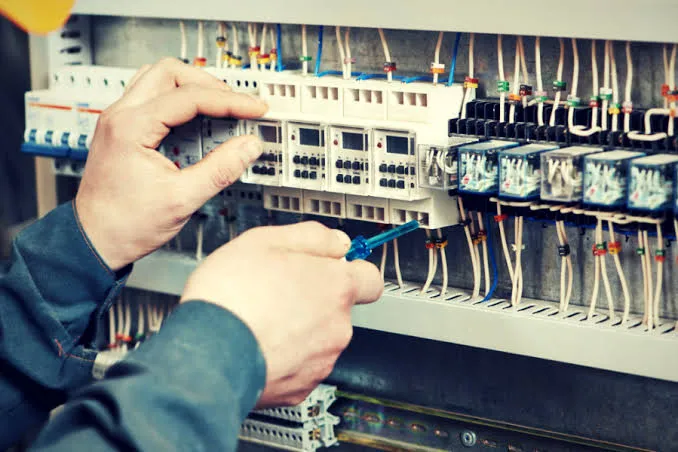
Even with diligent homeowner maintenance, nothing replaces a comprehensive professional check‑up. True Blue Heating and Cooling offers biannual inspection and tune‑up services to ensure your heat pump is ready for seasonal demands. During these visits, technicians will check refrigerant levels, inspect electrical components, clean coils, and adjust airflow — all of which contribute to extended equipment life and peak performance.
When to Call True Blue Heating and Cooling
While regular upkeep is essential, there are times when your heat pump may need expert help. If you notice reduced heating or cooling performance, unusual noises, increased energy bills, or frequent cycling on and off, it’s time to reach out for professional service. True Blue Heating and Cooling specializes in heat pump repair and maintenance, ensuring issues are diagnosed accurately and fixed efficiently.
Whether your unit needs a minor adjustment or a major repair, trained technicians can provide the reliable support you need to maintain comfort and efficiency throughout the year. Early intervention on potential problems often prevents more costly breakdowns down the line, saving you time and expense.
Heat Pump Efficiency Tips
Enhancing System Performance
Maximizing your heat pump’s efficiency not only improves comfort but also reduces utility costs. Ensure your home is well‑insulated and draft‑free — heat pump systems perform best when the indoor temperature is maintained without frequent large swings. Sealing air leaks around doors and windows and enhancing insulation in attics and walls reduces the workload on your heat pump, leading to smoother operation and lower energy use.
Seasonal Adjustments and Best Practices
During transitional seasons, programming your thermostat to accommodate daily weather fluctuations can relieve stress on your system. Avoid making rapid or frequent temperature changes, as the heat pump will consume more energy trying to catch up. Instead, set a moderate temperature that balances comfort with efficiency and rely on gradual adjustments when necessary.
Conclusion
Heat pumps offer a highly efficient way to heat and cool your home year‑round. Learning how to transition your system with the seasons and maintaining it properly are key factors in ensuring long‑term performance and energy savings. With regular inspections, thoughtful thermostat settings, and timely professional support from True Blue Heating and Cooling, you can enjoy optimal comfort in every season. Remember, proactive care today leads to better performance and fewer repair costs tomorrow.



























Sign in to leave a comment.