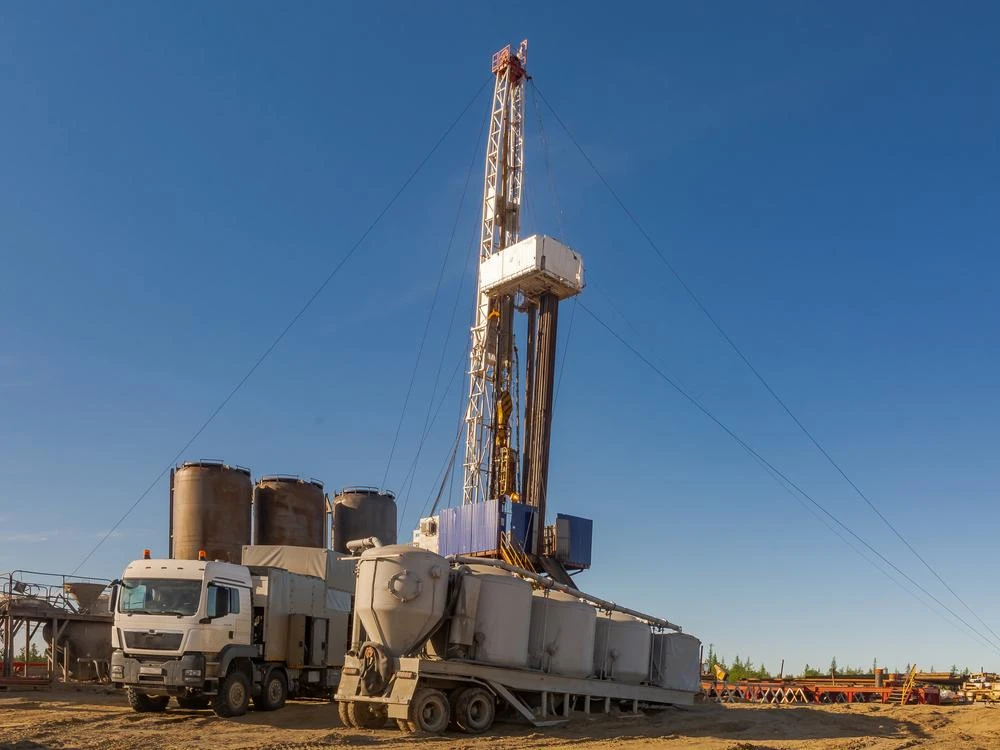

The success of an oil and gas well hinges on a robust wellbore – the intricate network of drilled passages that provide access to hydrocarbon deposits. A critical element in wellbore integrity is a proper cement job.
However, unforeseen wellbore issues or imperfections in the initial cementing process can arise. This is where secondary cementing techniques come to the rescue.
Improper cementation, including channeling (incomplete wellbore coverage) and micro-annuli (tiny gaps between the casing and formation), can occur in many well completions. These issues can lead to a cascade of problems, including:
Fluid migration:Unwanted fluids like water can migrate behind the casing, hindering production and potentially causing environmental damage.Loss of zonal isolation:Incomplete cementation can compromise the separation of different formation zones, impacting production efficiency.Casing corrosion:Exposure to corrosive fluids can accelerate casing degradation, leading to premature wellbore failure.Secondary Cementing: A Reliable Solution from CNPS
CNPS, a leading provider of comprehensive energy solutions, understands the critical role of wellbore integrity. Their expertise extends beyond top-notch OCTG pipes and bar products to encompass secondary cementing solutions that address these wellbore challenges effectively.
Secondary cementing refers to a suite of techniques employed after the initial cementing operation to rectify imperfections or address unforeseen issues. By strategically placing additional cement slurry within the wellbore, secondary cementing helps:
Enhance zonal isolation:Isolating specific zones within the wellbore is crucial for optimal production. Secondary cementing techniques like squeeze cementing can be used to target and seal channels or micro-annuli, ensuring proper separation.Remediate channeling:Incomplete cement coverage can be addressed through secondary cementing techniques like casing-hole retrievable packers. These packers isolate specific sections of the wellbore, allowing for targeted placement of cement slurry to fill channels.Prevent fluid migration:Secondary cementing can be used to create strong barriers that prevent unwanted fluids from migrating behind the casing, protecting the formation and ensuring environmental responsibility.Strengthen wellbore integrity:By addressing existing wellbore issues and reinforcing the cement sheath, secondary cementing contributes to the overall stability and longevity of the well.Benefits of Secondary Cementing
Investing in secondary cementing offers a multitude of advantages for oil and gas well operations:
Improved production efficiency:Proper zonal isolation and a robust cement barrier lead to efficient hydrocarbon extraction and prevent production losses.Enhanced wellbore stability:By addressing wellbore weaknesses, secondary cementing minimizes the risk of casing failures, leading to safer and more reliable well operations.Reduced environmental impact:Effective secondary cementing practices prevent unwanted fluid migration, mitigating environmental risks associated with well construction and production.Cost savings:Early intervention through secondary cementing can help avoid the high costs associated with wellbore failure and production downtime.Extended well life:A well-maintained wellbore, thanks to secondary cementing, translates to a longer productive lifespan for the well.Common Secondary Cementing Techniques
CNPS offers a range of secondary cementing techniques to address specific wellbore challenges:
Squeeze cementing:This technique involves pumping cement slurry under high pressure into a designated zone behind the casing to fill channels or micro-annuli.Cement plugs:By strategically placing cement plugs at specific depths within the wellbore, secondary cementing can isolate zones, abandon depleted sections, or provide a base for sidetracking operations (drilling a new wellbore from the existing well).Reverse circulation cementing:This method involves pumping cement slurry from the top of the wellbore down through the annulus (space between the casing and formation) to fill voids or channels from the bottom upwards.Choosing the Right Secondary Cementing Technique
The selection of the most suitable secondary cementing technique depends on the specific wellbore issue being addressed. Factors like the nature of the problem, the wellbore configuration, and the formation characteristics all play a crucial role.
CNPS's team of experienced engineers will analyze the wellbore data and recommend the optimal secondary cementing solution to ensure successful remediation and performance optimization.
Partner with CNPS for Optimal Well Performance
Secondary cementing is an essential tool for ensuring the longevity and optimal performance of oil and gas wells. By addressing wellbore imperfections and reinforcing the cement barrier, CNPS's secondary cementing solutions can significantly enhance production efficiency, wellbore stability, and environmental responsibility.
Looking to optimize the performance of your oil and gas wells?
CNPS stands ready to be your trusted partner in secondary cementing. Their comprehensive approach, from wellbore analysis and custom solution design to expert execution and quality assurance, guarantees a successful outcome.
Contact CNPS today to discuss your specific wellbore challenges and discover how their secondary cementing expertise can help you achieve long-term well performance and maximize your return on investment.
































Sign in to leave a comment.