
Dental visits can be stressful for many people, often leading to delayed treatments and worsening oral health. Fear of pain, anxiety about procedures, or past negative experiences can prevent individuals from seeking timely care. Fortunately, sedation dentistry offers a practical solution by making dental procedures more comfortable and stress-free.
What is Sedation Dentistry?
Sedation dentistry is a method used to help patients relax during dental treatments through the use of medication. It is designed to ease anxiety, reduce discomfort, and create a calm environment for both simple and complex procedures. Depending on the level of anxiety and the type of treatment required, different levels of sedation can be used.
Patients remain either fully awake or in a deeply relaxed state, depending on the sedation method chosen. In some cases, they may have little to no memory of the procedure afterward, which helps reduce fear of future dental visits.
Types of Sedation Dentistry
There are several types of sedation available, each suited to different patient needs and treatment levels.
Nitrous Oxide (Laughing Gas)
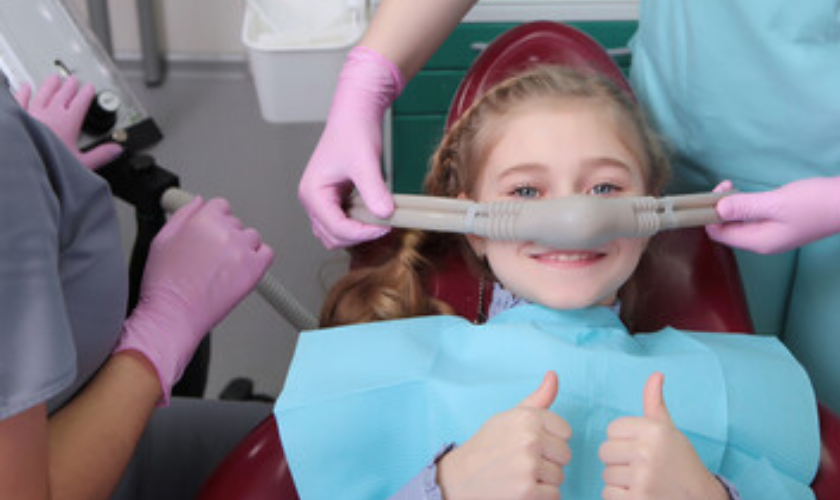
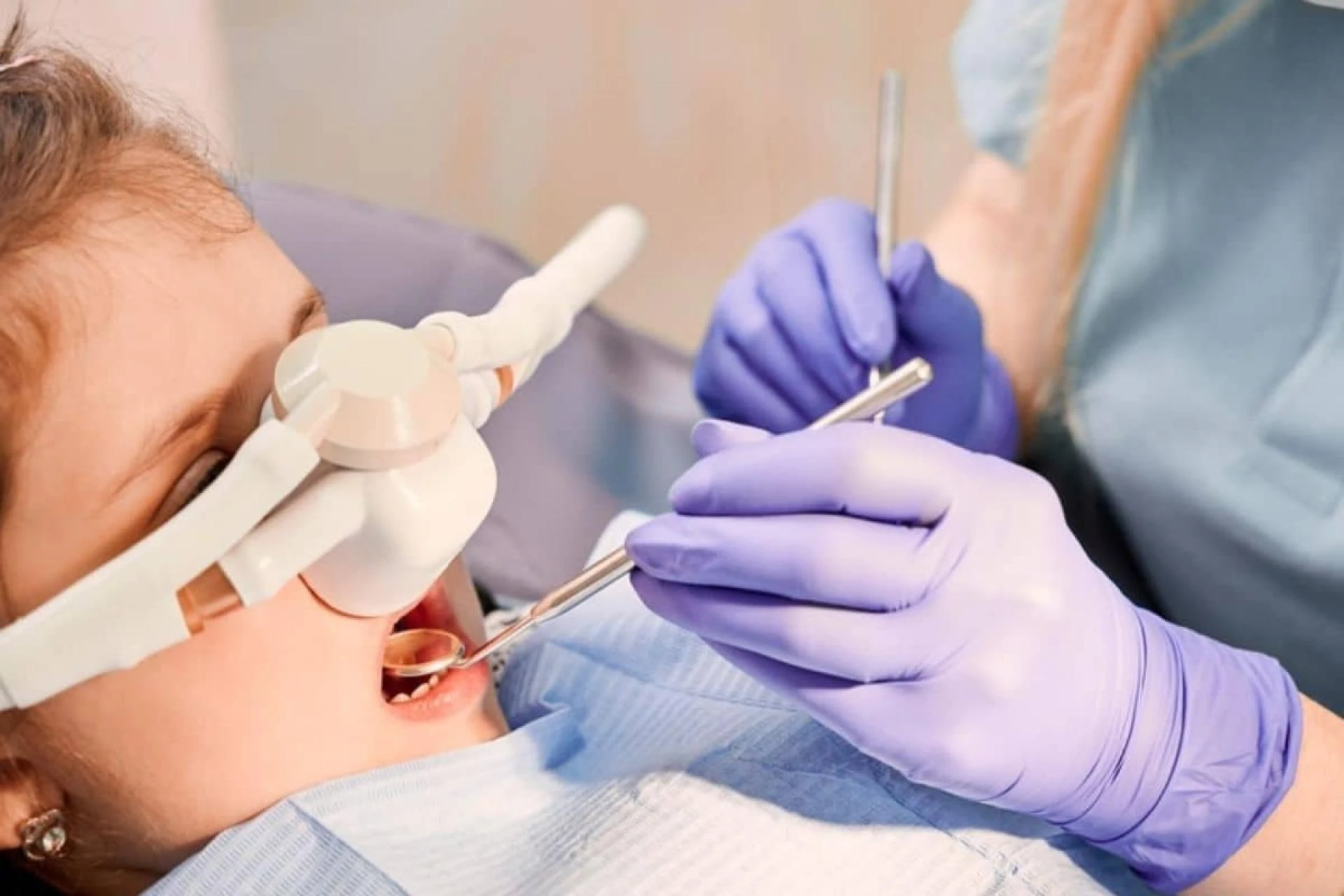
Nitrous oxide is one of the most common and mild forms of sedation. It is inhaled through a mask and works quickly to create a sense of relaxation. Patients remain awake and can communicate with the dentist throughout the procedure. Once the mask is removed, the effects wear off rapidly.
Oral Sedation
Oral sedation involves taking medication before the appointment. It provides a deeper level of relaxation compared to nitrous oxide. Patients may feel drowsy and less aware of the surroundings but are still conscious and able to respond.
IV Sedation
Intravenous sedation is administered directly into the bloodstream, allowing for precise control over the level of sedation. Patients are deeply relaxed and may not remember much of the procedure. This option is commonly used for more complex dental treatments.
General Anesthesia
General anesthesia is used in special cases, particularly for surgical procedures or patients with severe dental anxiety. It renders the patient completely unconscious, ensuring a pain-free and controlled experience.
Benefits of Sedation Dentistry
Sedation dentistry offers multiple benefits that make dental care more accessible and comfortable:
- Reduces anxiety and fear during dental visits
- Minimizes pain and discomfort
- Allows multiple procedures to be completed in fewer appointments
- Helps patients stay calm and still
- Reduces memory of the procedure, lowering future anxiety
These benefits make it easier for patients to maintain regular dental visits and improve their oral health.
Who Can Benefit from Sedation Dentistry?
Sedation dentistry is suitable for a wide range of patients. It is especially helpful for those who:
- Experience dental anxiety or phobia
- Have a low tolerance for pain
- Need extensive or complex dental work
- Have sensitive teeth
- Struggle to sit still during procedures
- Have a strong gag reflex
It is also commonly used for children or individuals with special needs who may find dental visits challenging.
Is Sedation Dentistry Safe?
When performed by trained professionals, sedation dentistry is considered safe and effective. Dentists carefully evaluate a patient’s medical history, current medications, and overall health before recommending any sedation method.
During the procedure, vital signs such as heart rate, blood pressure, and oxygen levels are monitored to ensure patient safety. Modern dental practices follow strict safety guidelines, making sedation procedures highly reliable.
Patients should follow all pre- and post-treatment instructions provided by their dentist to ensure a smooth and safe experience.
Preparing for Sedation Dentistry
Preparation plays an important role in ensuring a successful and comfortable experience. Patients are usually advised to:
- Share complete medical history and current medications
- Follow fasting instructions if required
- Wear comfortable clothing
- Arrange transportation if sedation will affect alertness
Proper preparation helps reduce risks and enhances the effectiveness of the sedation.
Recovery and Aftercare
Recovery time depends on the type of sedation used. Mild sedation allows patients to resume normal activities quickly, while deeper sedation may require rest for several hours.
Patients should avoid driving, operating machinery, or making important decisions until the effects have completely worn off. Following the dentist’s aftercare instructions is essential for a smooth recovery and optimal results.
Conclusion
Sedation dentistry in dubai has transformed dental care by making it more comfortable and accessible for patients who experience anxiety or discomfort. By providing a relaxed and pain-free experience, it encourages individuals to prioritize their oral health and attend regular dental visits.
Whether you need a routine procedure or a more complex treatment, sedation dentistry ensures that your experience is calm, safe, and stress-free, helping you achieve a healthier and more confident smile.




























Sign in to leave a comment.