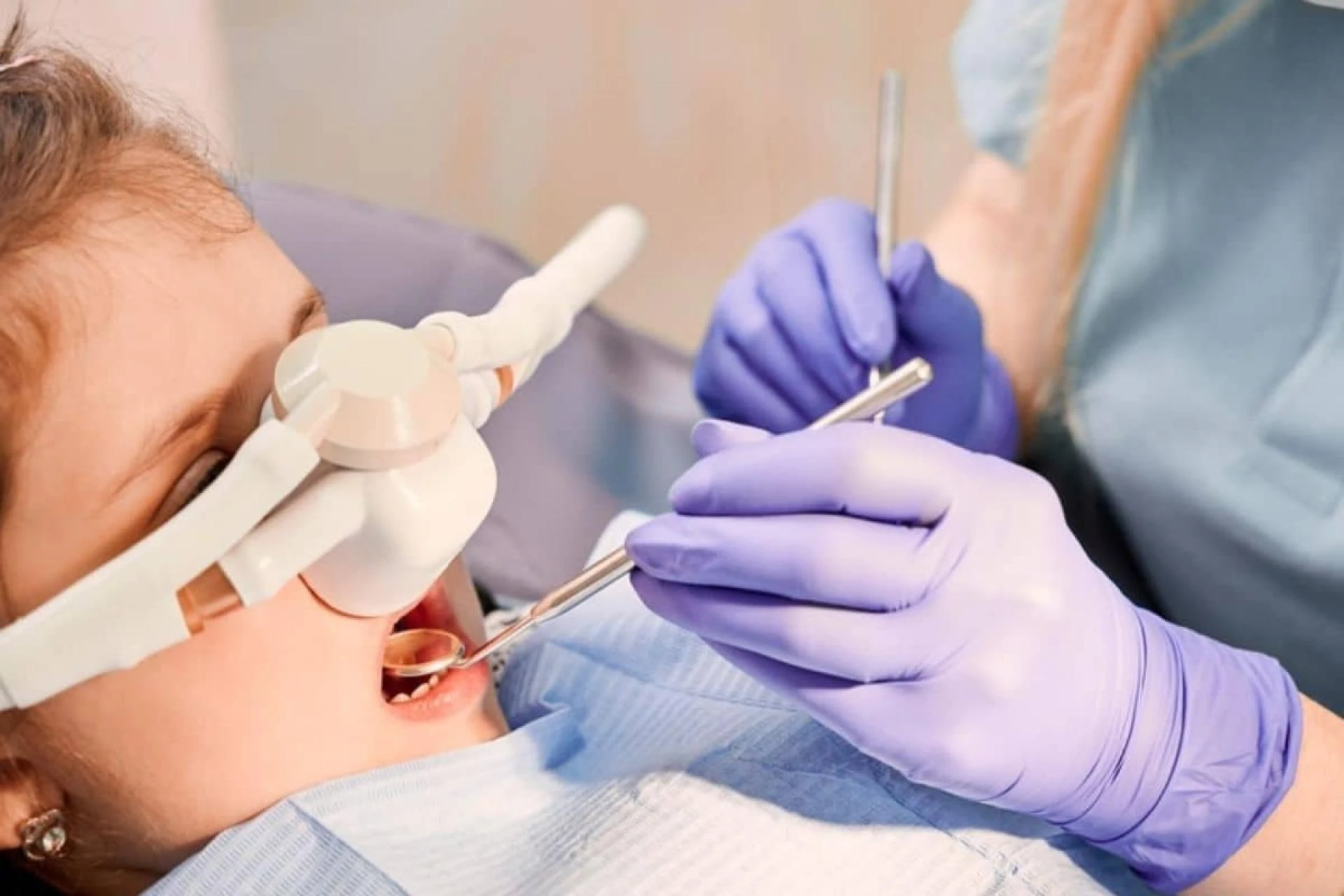

For many people, visiting the dentist can be a source of anxiety or fear. Dental phobia is common and can prevent patients from seeking necessary treatment, leading to poor oral health over time. This is where sedation dentistry has emerged as a vital solution. By using safe and effective sedatives, dentists can help patients relax, making dental procedures less stressful and more comfortable. Understanding how sedation dentistry works and its benefits can encourage patients to prioritize their oral health without fear.
What is Sedation Dentistry?
Sedation dentistry refers to the use of medications to help patients feel calm and relaxed during dental procedures. It is not the same as general anesthesia; instead, sedation dentistry ranges from minimal relaxation to moderate or deep sedation, depending on the patient’s needs and the complexity of the procedure. Patients remain conscious and responsive under mild or moderate sedation but feel at ease and less aware of anxiety or discomfort.
Types of Sedation Dentistry
- Oral Sedation
Oral sedation involves taking a pill, usually containing a medication like diazepam or triazolam, before the dental procedure. The patient feels relaxed, drowsy, and may have limited memory of the procedure. Oral sedation is commonly used for patients with mild to moderate anxiety. - Nitrous Oxide Sedation (Laughing Gas)
Nitrous oxide is inhaled through a mask, providing a calming effect within minutes. Patients remain fully conscious and can communicate with the dentist, but anxiety and discomfort are significantly reduced. Nitrous oxide wears off quickly, allowing patients to resume normal activities shortly after treatment. - Intravenous (IV) Sedation
IV sedation is administered directly into the bloodstream, providing a faster and more controlled level of sedation. Patients may feel deeply relaxed or lightly asleep while still maintaining consciousness. IV sedation is ideal for complex procedures or patients with severe dental anxiety. - General Anesthesia
In some cases, general anesthesia may be used, where the patient is completely unconscious. This type of sedation is reserved for extensive dental surgeries or patients with special needs.
Benefits of Sedation Dentistry
- Reduces Anxiety and Fear
The primary advantage of sedation dentistry is its ability to reduce anxiety, allowing patients who would otherwise avoid the dentist to receive necessary care. Feeling relaxed during treatment improves the overall dental experience and encourages regular visits. - Minimizes Discomfort and Pain
Sedation dentistry complements local anesthesia, ensuring patients feel little to no discomfort during procedures. This is particularly beneficial for treatments like root canals, tooth extractions, or periodontal surgery. - Allows Multiple Procedures in One Visit
For patients requiring extensive dental work, sedation dentistry enables multiple procedures to be completed in a single session. This reduces the need for repeated visits and minimizes disruption to daily life. - Enhances Patient Cooperation
Patients with difficulty staying still, such as children or individuals with special needs, benefit from sedation dentistry. Relaxed patients are easier to treat, allowing dentists to work efficiently and safely. - Improves Oral Health Outcomes
By reducing fear and discomfort, sedation dentistry encourages patients to seek timely treatment. Addressing dental issues early prevents complications, preserves oral health, and contributes to overall well-being.
Who Can Benefit from Sedation Dentistry?
Sedation dentistry is suitable for a wide range of patients, including:
- Individuals with dental anxiety or phobia
- Patients with sensitive teeth or low pain thresholds
- Children who are fearful or uncooperative
- Individuals undergoing complex or lengthy dental procedures
- Patients with special needs or physical disabilities
Before undergoing sedation dentistry, patients undergo a thorough evaluation to ensure it is safe based on their medical history, medications, and overall health.
Safety Considerations
Sedation dentistry is generally safe when administered by trained professionals in a controlled environment. Dentists monitor vital signs such as heart rate, blood pressure, and oxygen levels throughout the procedure. Patients are advised to follow pre-procedure instructions, such as fasting if required, to reduce potential risks. Additionally, recovery is closely monitored to ensure the patient is stable before leaving the clinic.
Sedation Dentistry and Patient Comfort
The ultimate goal of sedation dentistry is to enhance patient comfort and remove barriers to dental care. By addressing fear and anxiety, patients can experience stress-free visits and maintain regular dental check-ups. Modern sedation techniques are customizable, allowing dentists to tailor the level of sedation to each patient’s needs, ensuring a safe, comfortable, and effective treatment experience.
Conclusion
Sedation dentistry has transformed the dental experience for patients who struggle with fear, anxiety, or sensitivity. From oral sedation and nitrous oxide to IV sedation and general anesthesia, these techniques make it possible for patients to receive the care they need without distress. The benefits extend beyond comfort, improving oral health outcomes, allowing efficient treatment, and fostering a positive attitude toward dental visits.
For anyone hesitant to visit the dentist, sedation dentistry offers a safe and effective solution to overcome fear, ensuring a healthier, happier smile without anxiety.




























Sign in to leave a comment.