

Many people feel nervous or anxious about visiting the dentist. For some, even a routine cleaning can cause fear or discomfort. Sedation dentistry offers a modern solution that helps patients relax during dental procedures, making dental care more accessible, comfortable, and stress-free. Whether you experience dental anxiety, have a low pain threshold, or need complex treatment, sedation dentistry can transform your experience and help you maintain better oral health.
What Is Sedation Dentistry?
Sedation dentistry uses safe medications to help patients feel calm and relaxed during dental treatments. It is often referred to as “sleep dentistry,” although most patients remain awake but deeply relaxed. Dentists carefully control the level of sedation based on the patient’s needs, medical history, and the complexity of the procedure.
Sedation dentistry can be used for a wide range of treatments—from routine cleanings and fillings to more complex procedures like dental implants or oral surgery. It allows patients who might otherwise avoid dental visits to receive the care they need comfortably.
Types of Sedation Used in Dentistry
There are several types of sedation used in modern dental practices. The most common include:
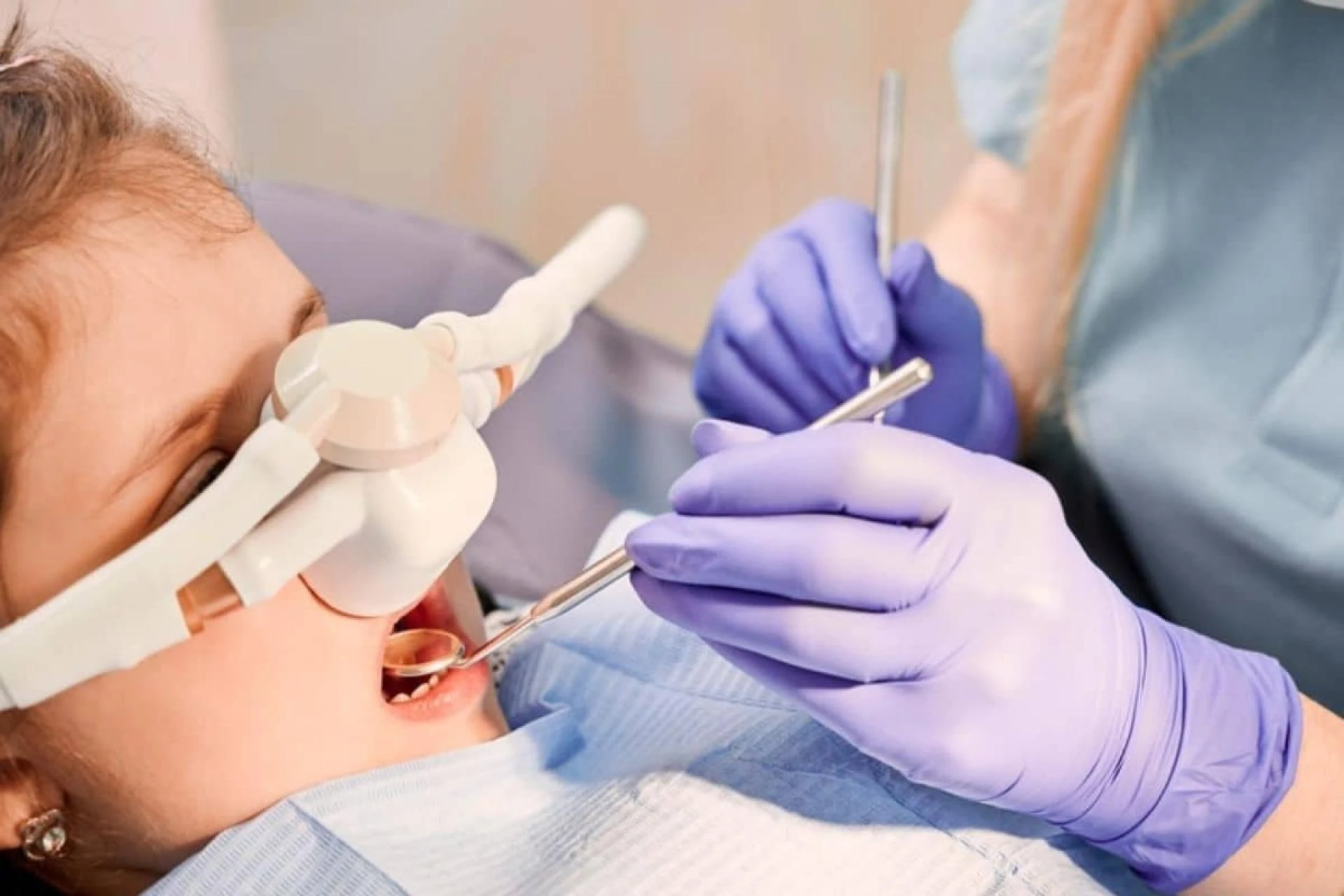
1. Nitrous Oxide (Laughing Gas):
This mild form of sedation is inhaled through a mask placed over the nose. It helps patients feel relaxed and calm during procedures. The effects wear off quickly, allowing patients to resume normal activities shortly after treatment.
2. Oral Sedation:
Oral sedation involves taking a prescribed medication before the dental appointment. It creates a deeper sense of relaxation, and some patients may feel drowsy or have little memory of the procedure.
3. IV Sedation:
Administered through a vein, IV sedation provides a deeper level of relaxation. The dentist can adjust the sedation level throughout the procedure, ensuring maximum comfort.
4. General Anesthesia:
In certain cases, patients may be fully asleep during treatment. This option is typically used for complex surgeries or individuals with severe dental anxiety or special needs.
Who Can Benefit from Sedation Dentistry?
Sedation dentistry is suitable for many patients, especially those who:
- Experience dental anxiety or fear
- Have sensitive teeth or a strong gag reflex
- Require lengthy or complex procedures
- Have difficulty sitting still for long periods
- Have had traumatic dental experiences in the past
- Need multiple treatments completed in fewer visits
It is also beneficial for children or adults with special healthcare needs who may find dental visits challenging.
Benefits of Sedation Dentistry
One of the biggest advantages of sedation dentistry is the ability to receive dental care without fear or discomfort. Patients often report feeling calm and relaxed throughout the procedure.
Comfort and Relaxation:
Sedation helps reduce anxiety and tension, allowing patients to remain comfortable during treatment.
Pain Management:
Many sedation techniques reduce pain perception, making procedures feel smoother and less stressful.
Efficiency:
Dentists can often complete multiple procedures in one appointment because patients remain relaxed and cooperative.
Improved Oral Health:
When patients feel comfortable visiting the dentist, they are more likely to maintain regular checkups and address dental issues early.
Safety of Sedation Dentistry
Sedation dentistry is generally very safe when administered by trained professionals. Dentists evaluate each patient’s medical history, current medications, and health conditions before recommending sedation. During treatment, vital signs such as heart rate, oxygen levels, and blood pressure are carefully monitored.
Patients are usually given specific instructions before and after the procedure, such as fasting guidelines or arranging transportation home, depending on the type of sedation used.
What to Expect During a Sedation Dentistry Appointment
Before the procedure, the dentist will discuss your medical history, concerns, and treatment goals. They will recommend the most appropriate sedation option based on your needs.
On the day of the appointment, sedation is administered according to the chosen method. Patients typically feel relaxed within minutes. Throughout the procedure, the dental team monitors your comfort and safety.
After treatment, recovery time varies depending on the type of sedation used. Mild sedation wears off quickly, while deeper sedation may require rest and assistance at home.
Tips for a Smooth Sedation Dentistry Experience
- Follow all pre-appointment instructions carefully.
- Inform your dentist about medications or health conditions.
- Arrange for someone to drive you home if deeper sedation is used.
- Rest after the procedure and follow post-treatment care guidelines.
Final Thoughts
Sedation dentistry has transformed the way patients experience dental care. By reducing anxiety and discomfort, it makes dental visits more manageable and even pleasant for many individuals. Whether you are nervous about a routine procedure or require more extensive treatment, sedation dentistry offers a safe and effective way to receive the care you need without fear.
With the help of modern techniques and trained professionals, maintaining a healthy smile has never been more comfortable. If dental anxiety has been preventing you from seeking treatment, sedation dentistry could be the key to a more relaxed and positive dental experience.

























Sign in to leave a comment.