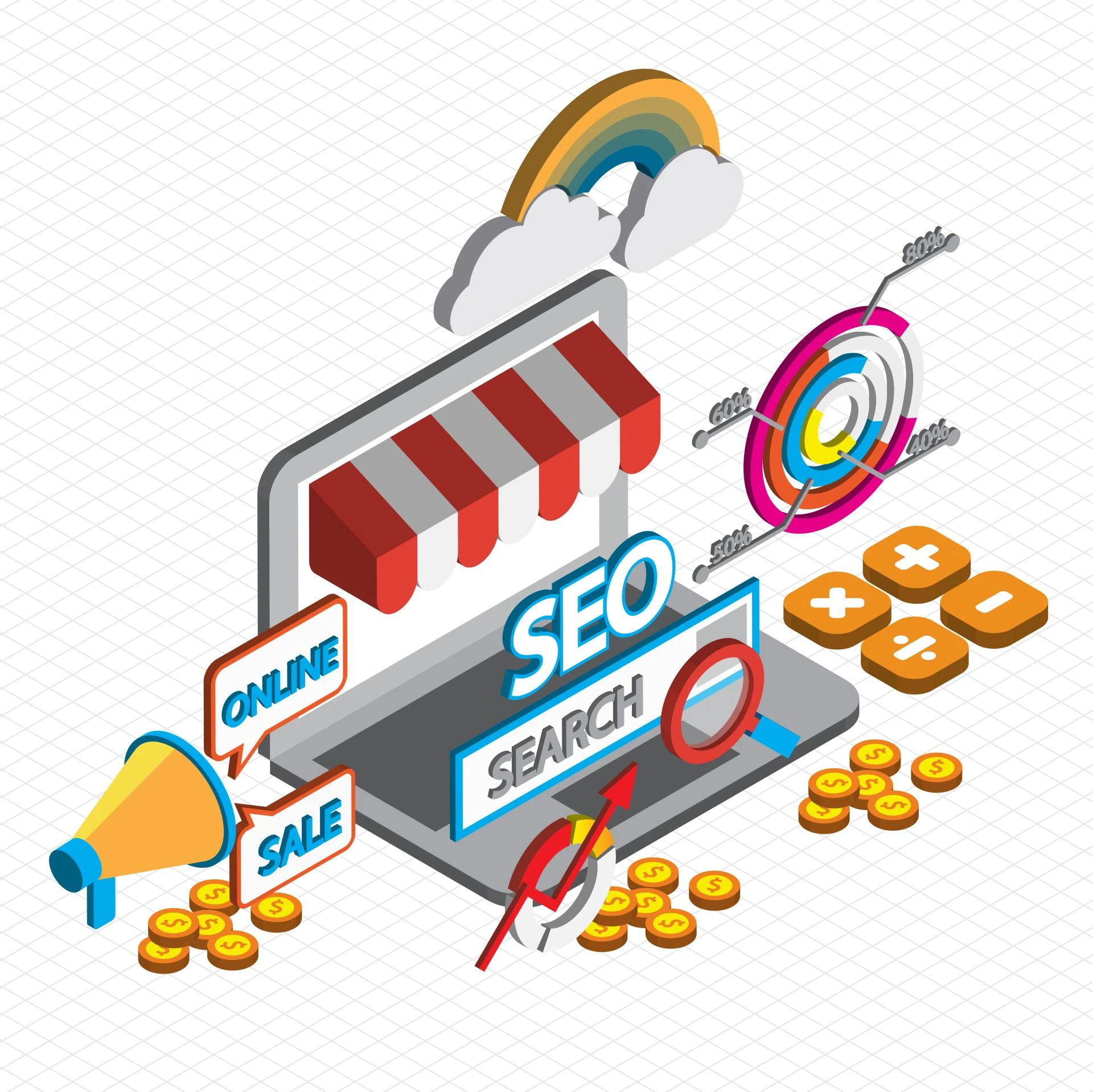

In today’s digital marketplace, having a well-designed eCommerce website is only half the battle. The real challenge lies in making your online store visible to potential customers. That’s where Search Engine Optimization (SEO) comes in. By implementing effective SEO strategies, you can improve your website’s visibility on search engines, drive targeted traffic, and ultimately boost sales.
Whether you're a startup or an established online retailer, this guide covers essential SEO tips for eCommerce websites that you can implement to improve performance and outrank your competition.
1. Optimize Product Pages
Product pages are the heart of any eCommerce website, and optimizing them for search engines is crucial. Focus on the following:
- Use unique product titles and meta descriptions.
- Include long-tail keywords naturally in your content.
- Add high-quality images with descriptive ALT tags.
- Include clear and keyword-rich product descriptions.
Avoid duplicating manufacturer descriptions — always write original content that appeals to both search engines and customers.
2. Improve Site Structure & Navigation
Search engines favor websites that are easy to navigate. A clean site structure not only improves user experience but also helps search engines crawl and index your pages efficiently.
Tips:
- Use a simple URL structure (e.g., yourstore.com/category/product-name).
- Implement breadcrumbs for better internal linking.
- Ensure your site has a clear category hierarchy.
- Include a search bar to help users find products faster.
Working with experts can help streamline this process. It's wise to hire eCommerce developers in India who understand both UX and SEO, ensuring your site performs well across all fronts.
3. Mobile Optimization
More than half of online shopping is done on mobile devices. Google prioritizes mobile-friendly websites, so your eCommerce store must be fully responsive.
Checklist:
- Use a mobile-responsive theme.
- Optimize images for faster loading.
- Make buttons and navigation mobile-friendly.
- Use Google’s Mobile-Friendly Test to evaluate your site.
Hiring developers who specialize in mobile-first design and SEO services can help ensure a seamless shopping experience across devices.
4. Focus on Site Speed
Site speed is a direct ranking factor. Slow websites frustrate users and lead to high bounce rates.
Tips to improve speed:
- Compress images without losing quality.
- Minimize the use of third-party scripts.
- Use lazy loading for images.
- Enable browser caching and content delivery networks (CDNs).
Tools like Google PageSpeed Insights and GTmetrix can help you identify and fix speed-related issues.
5. Create High-Quality Content
Content is king, even in eCommerce. Regularly publishing blogs, guides, how-tos, and product tutorials can help attract backlinks and establish your authority in your niche.
Content ideas:
- “Top 10 Gift Ideas for Father’s Day”
- “How to Choose the Right Running Shoes”
- “The Complete Guide to Setting Up Your Home Gym”
Working with agencies that offer SEO services can ensure your content strategy aligns with your target keywords and buyer intent.
6. Optimize for Local SEO
If you operate in specific regions or have physical stores, optimizing for local search is essential.
Steps to follow:
- Set up a Google Business Profile.
- Include local keywords (e.g., “online clothing store in Mumbai”).
- Collect customer reviews regularly.
- Add location-specific landing pages.
This is especially important if you're targeting markets like India. To build a strong local presence, consider working with professionals who offer SEO services tailored to the Indian market.
7. Use Schema Markup
Schema markup, or structured data, helps search engines better understand your content. It can also lead to rich snippets such as product ratings, price, availability, and more — increasing click-through rates.
Implement schema for:
- Products
- Reviews
- FAQs
- Breadcrumbs
Many platforms like Shopify, WooCommerce, and Magento support schema through plugins or manual integration.
8. Secure Your Website (HTTPS)
Google prioritizes secure websites. An SSL certificate is not only important for SEO but also builds trust with your customers.
Ensure:
- All pages load on HTTPS.
- You redirect HTTP to HTTPS to avoid duplicate content issues.
9. Build Quality Backlinks
Backlinks remain a strong ranking signal. Focus on acquiring links from reputable sources within your niche.
Effective strategies:
- Guest posting
- Collaborating with influencers
- Creating shareable infographics or case studies
A professional team offering SEO services can help you develop a robust backlink strategy without risking penalties.
10. Track, Analyze, Improve
Finally, SEO is not a one-time task. Continuously monitor your performance and make data-driven decisions.
Tools to use:
- Google Analytics
- Google Search Console
- SEMRush or Ahrefs for keyword and backlink tracking
Tracking helps identify what’s working and where improvements are needed.
Final Thoughts
Effective SEO is critical for the success of any eCommerce business. From product optimization and mobile responsiveness to content creation and link-building, each step plays a vital role in improving your online visibility.
If you’re looking to build a high-performing eCommerce website that’s optimized from the ground up, it’s smart to hire eCommerce developers in India who understand both technical development and search engine best practices. Pairing this with professional SEO services can ensure your business stays ahead in the competitive digital landscape.























Sign in to leave a comment.