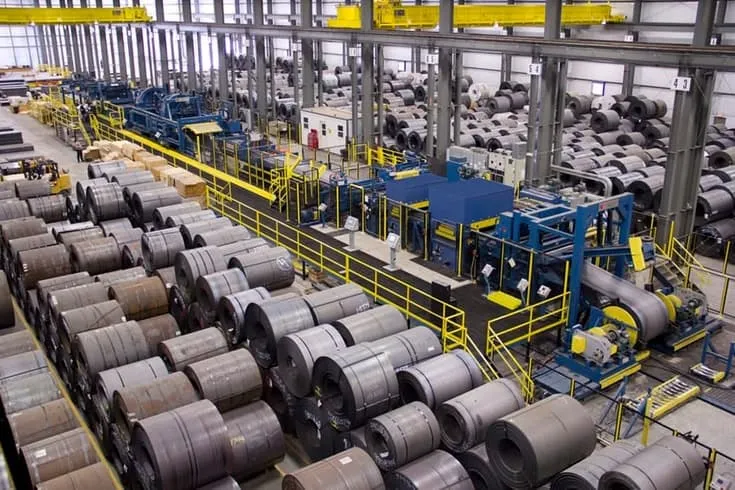

Modern metal manufacturing depends on accurate material movement, dependable production speeds, and consistent positioning throughout each processing stage. As manufacturers handle increasingly demanding production schedules, feeding accuracy becomes essential for maintaining quality and reducing unnecessary material waste. servo roll feed systems provide controlled material movement by combining precision drive technology with programmable feeding operations. These systems help manufacturers achieve repeatable positioning, smooth operation, and dependable synchronization with production equipment. Their ability to support accurate feeding makes them valuable for applications that require consistent strip movement, controlled lengths, and efficient production performance.
Understanding Servo Roll Feed Systems
How Servo Feeding Technology Works
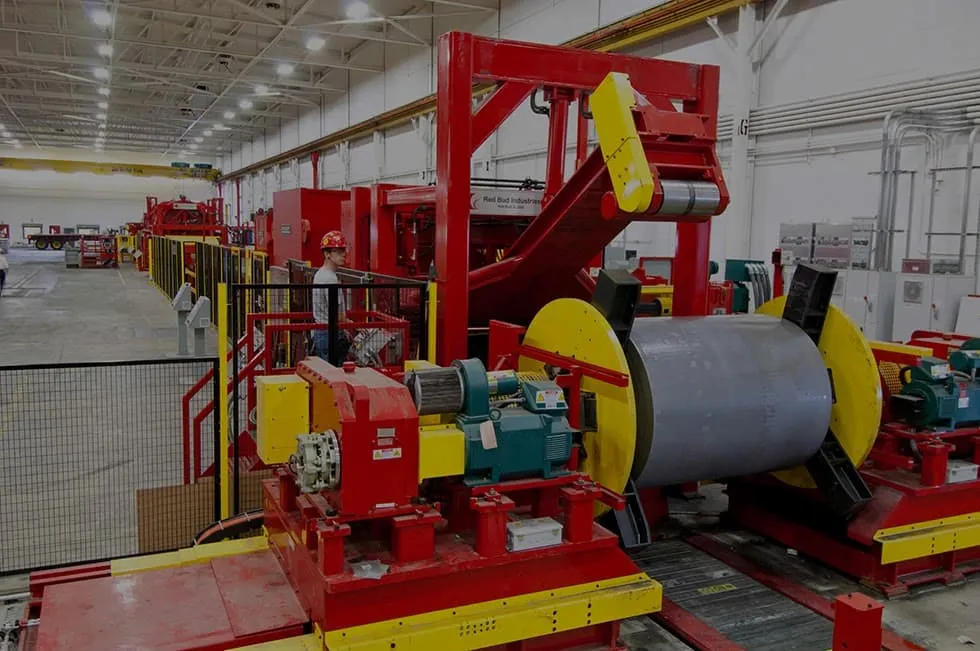
Servo roll feed systems use servo motors and controlled drive mechanisms to move metal strip through a processing line with precise timing. The system receives programmed instructions that determine feed length, speed, acceleration, and positioning. Sensors and control components can monitor movement while maintaining synchronization between feeding operations and downstream equipment. This controlled process helps reduce variations that can occur with less advanced feeding methods. By coordinating material movement with the production cycle, servo technology supports consistent feeding performance and provides manufacturers with greater control over demanding metal processing applications.
Importance of Controlled Material Movement
Consistent material movement is essential when metal sheets or strips must reach a specific processing position before cutting, punching, forming, or blanking. Small feeding variations can influence dimensions, alignment, and final product quality. Servo roll feed systems help address these concerns by providing controlled and repeatable movement throughout production cycles. Their programmable operation allows feeding parameters to be adjusted according to material requirements and production specifications. This flexibility can help manufacturers maintain consistent positioning while supporting efficient production. Accurate movement also contributes to better material utilization and can reduce avoidable interruptions caused by feeding inconsistencies.
Key Benefits of Servo Roll Feed Systems
Improved Feeding Accuracy
One of the primary advantages of servo feeding technology is its ability to provide precise material positioning. Accurate positioning becomes particularly important when a production line handles components with strict dimensional requirements. Programmable controls allow operators to establish specific feed lengths and repeat those settings consistently throughout production. This repeatability helps reduce dimensional variations and supports more predictable results. Servo roll feed systems can also respond quickly to changes in production requirements, allowing feeding parameters to be modified without extensive mechanical adjustments. Such control contributes to improved product consistency and more efficient manufacturing processes.
Better Production Repeatability
Production repeatability plays an important role in maintaining consistent output across long manufacturing runs. When material is fed at predictable intervals and positions, downstream equipment can perform its intended operation more consistently. Servo roll feed systems support this repeatability through electronically controlled movement and programmable operating parameters. Once suitable settings are established, the same feeding sequence can be reproduced across multiple production cycles. This capability is useful for manufacturers producing large quantities of similar components. Consistent feeding can also simplify quality monitoring because production teams can work with more predictable material positioning and processing conditions.
Reduced Material Waste
Material waste can increase when inaccurate feeding causes incorrect cuts, misalignment, or rejected components. Precise feeding helps ensure that the available material is positioned correctly before each processing operation. Servo roll feed systems can contribute to improved material utilization by maintaining controlled feed lengths and repeatable positioning. Better control may reduce unnecessary scrap associated with inconsistent material movement. In addition, programmable settings can support different material dimensions and production requirements without requiring extensive mechanical changes. By improving feeding precision, these systems can help manufacturers use valuable metal stock more efficiently while supporting overall production cost management.
Applications Across Metal Processing
Supporting Blanking Operations
Blanking operations require accurate material positioning because each sheet or blank must be produced according to predetermined dimensions. Feeding errors can result in dimensional inconsistencies, misplaced cuts, or increased scrap. Servo roll feed systems can provide the controlled movement needed to position strip material before cutting operations. Their programmable characteristics allow feed lengths to correspond with different blank sizes and production requirements. This adaptability can make servo feeding technology suitable for operations that produce multiple component dimensions. Consistent positioning also helps downstream cutting equipment operate more reliably, supporting improved productivity and better control over finished blank quality.
Integration With Press Equipment
Servo feeding technology can work alongside various press and forming operations where material must advance according to a precise production cycle. The feed system can coordinate material movement with the timing of the press, helping ensure that each section reaches the correct position before processing begins. This synchronization can support smoother operation and reduce the likelihood of feeding errors. Servo roll feed systems are especially useful when production requires different feed lengths or changing operating speeds. Programmable controls provide greater flexibility, allowing manufacturers to adjust feeding parameters according to the requirements of individual components and production schedules.
Features That Influence System Performance
Programmable Feeding Parameters
Programmability is an important feature because different materials and products often require different feeding conditions. Operators may need to change feed lengths, operating speeds, acceleration rates, or production sequences depending on the application. Servo roll feed systems allow these parameters to be controlled electronically, making adjustments more convenient than relying entirely on manual mechanical changes. Programmable settings can also improve production repeatability by allowing established parameters to be stored and reused. This feature becomes particularly valuable in facilities that handle multiple product types, because operators can switch between production requirements with greater efficiency and reduced setup complexity.
Accurate Synchronization
Synchronization between the feed system and processing equipment is essential for maintaining a consistent production cycle. If the material moves too early, too late, or an incorrect distance, the resulting operation may produce defective components or unnecessary scrap. Servo technology supports precise synchronization through electronic control and feedback mechanisms. Servo roll feed systems can coordinate feeding movements with equipment cycles, helping material arrive at the intended position at the appropriate time. This level of coordination can improve overall process stability and allow production teams to maintain more predictable operating conditions throughout extended manufacturing runs.
Flexible Operating Speeds
Different production applications may require different material feeding speeds. Some processes prioritize maximum throughput, while others require slower movement to maintain precision or accommodate particular material characteristics. Servo systems can provide controlled speed adjustments according to production requirements. This flexibility helps manufacturers balance productivity with accuracy rather than relying on a single fixed operating speed. Servo roll feed systems can also support gradual acceleration and deceleration, which may help reduce sudden material movement. Controlled speed changes can contribute to smoother operation, especially when processing lines need to maintain precise positioning at higher production rates.
Factors to Consider Before Selection
Material Characteristics
Material characteristics can influence the selection and configuration of a feeding system. Thickness, width, surface condition, tensile properties, and material type may affect how the strip responds during feeding. Production teams should consider these factors when determining the appropriate roll configuration, feeding capacity, and control requirements. Servo roll feed systems can be configured for specific applications, but proper system selection remains important for achieving reliable performance. Understanding the material being processed helps ensure that the feeding equipment provides adequate control without creating unnecessary stress, slippage, or positioning variation during regular production.
Production Requirements
Production volume and product variety should also be considered before selecting a servo feeding system. A high volume operation may require rapid cycling and dependable repeatability, while a flexible manufacturing environment may prioritize quick setup changes and programmable control. The required feed length, material width, operating speed, and processing sequence can all influence equipment specifications. Servo roll feed systems offer flexibility for many applications, but the system should still be matched carefully to the production environment. A properly selected configuration can provide better performance, easier operation, and more dependable results over the equipment's working life.
Equipment Integration
Successful integration requires consideration of the complete production line rather than the feed system alone. The feeder must communicate effectively with cutting, pressing, blanking, or forming equipment to maintain a coordinated production sequence. Control interfaces, sensors, material handling components, and safety systems should work together as part of the overall design. Servo roll feed systems can provide advanced control, but their effectiveness depends on proper integration with surrounding equipment. Early evaluation of line requirements can help identify compatibility concerns and reduce installation challenges. A coordinated approach can also support smoother commissioning and more reliable day to day operation.
Improving Production Efficiency With Servo Feeding
Faster Setup Changes
Manufacturers often need to switch between different products, dimensions, or material specifications. Traditional mechanical adjustments can require considerable setup time, especially when several feeding parameters must be changed. Programmable servo technology can simplify these changes by allowing operators to adjust settings electronically. Servo roll feed systems can store multiple production parameters, making it easier to transition between established production requirements. Faster setup changes can reduce downtime and help production teams respond more efficiently to changing orders. This flexibility is particularly beneficial for facilities that produce several component types or operate shorter production batches throughout the working day.
Supporting Consistent Quality
Quality consistency depends on maintaining stable conditions throughout the manufacturing process. Feeding accuracy is one part of that equation because incorrect material positioning can affect every operation that follows. Servo roll feed systems help establish repeatable movement, allowing downstream equipment to process material from predictable positions. Consistent feeding can reduce dimensional variation and make production results easier to monitor. When the feeding process remains stable, operators can focus more effectively on other quality factors such as tooling condition, material characteristics, and machine settings. The combined effect can support a more controlled and dependable manufacturing environment.
Safety and Maintenance Considerations
Safe Operating Practices
Safe operation should remain a priority when installing and using any powered material feeding equipment. Operators should understand system controls, emergency procedures, material loading practices, and designated operating zones before beginning production. Proper guarding and safety devices should be maintained according to applicable requirements. Servo roll feed systems include moving components that require appropriate precautions during operation and maintenance. Production personnel should avoid entering hazardous areas while equipment is energized or moving. Regular training and clearly defined procedures can help reduce operational risks while ensuring that the feeding system is used according to its intended application.
Preventive Maintenance
Regular maintenance can help preserve feeding accuracy and extend equipment service life. Roll surfaces, bearings, drive components, sensors, electrical connections, and control systems should be inspected according to established maintenance schedules. Material buildup or mechanical wear can affect feeding consistency if problems are allowed to develop. Servo roll feed systems benefit from routine inspection because accurate positioning depends on coordinated mechanical and electronic performance. Maintenance teams should document inspections and address unusual vibration, noise, slippage, or positioning changes promptly. Preventive maintenance can reduce unexpected downtime and help maintain dependable feeding performance throughout demanding production schedules.
The Role of Servo Feeding in Modern Manufacturing
Modern manufacturing increasingly emphasizes automation, repeatability, productivity, and efficient material utilization. Feeding technology has an important role in achieving these objectives because material positioning directly affects the performance of downstream operations. Servo roll feed systems provide a combination of programmable control, precise movement, and repeatable operation that can support these evolving requirements. As production environments become more flexible, the ability to adjust feeding parameters quickly can become increasingly valuable. Such technology can help manufacturers improve process control while maintaining reliable output across different materials, component sizes, production speeds, and operating conditions.
Conclusion
Servo feeding technology provides manufacturers with greater control over material movement, positioning, speed, and production repeatability. Its programmable operation can support accurate processing while helping reduce material waste, simplify setup changes, and maintain consistent product quality. Careful consideration of material characteristics, production requirements, equipment integration, safety, and maintenance can help ensure effective implementation. As manufacturers continue seeking efficient and flexible production methods, servo roll feed systems can remain an important part of modern metal processing operations. For organizations evaluating advanced feeding and processing capabilities, Red Bud Industries can provide relevant expertise and equipment solutions to support demanding manufacturing requirements.



















Sign in to leave a comment.