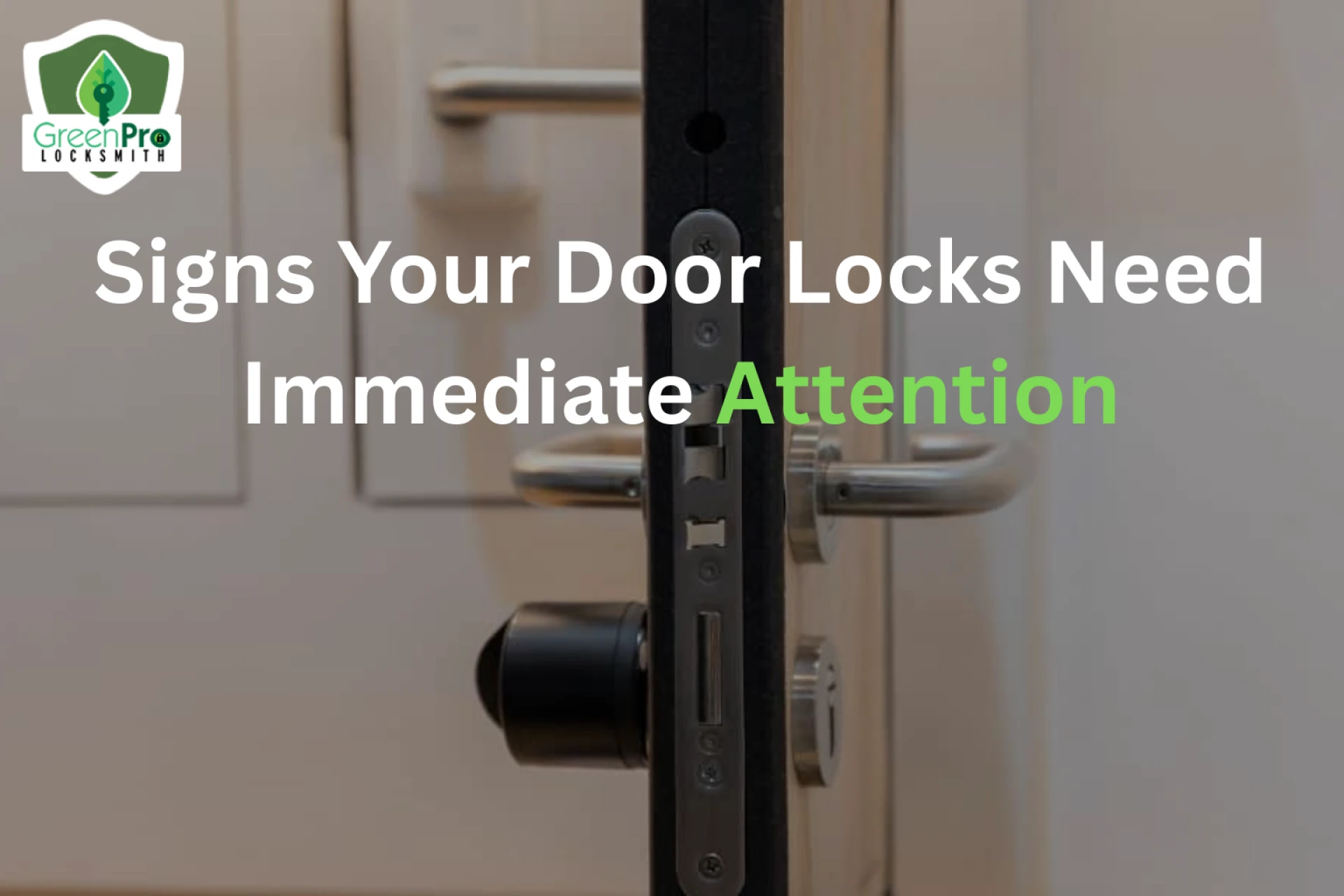

Door locks are something most people rarely think about—until they stop working properly. A lock that sticks, jams, or fails to secure properly can quickly become more than just an inconvenience. It can also pose a serious security risk.
Your locks are the first line of defense protecting your home, family, and belongings. Recognizing early warning signs of lock problems can help you address issues before they become major security concerns.
This guide explores the most common signs that your door locks need immediate attention and what you can do to maintain your home’s safety.
Difficulty Turning the Key
One of the earliest signs of lock trouble is difficulty turning the key.
If you notice resistance when inserting or turning the key, it may indicate:
- Dirt or debris inside the lock
- Internal wear in the mechanism
- Misalignment between the door and frame
- A damaged or worn key
Ignoring this issue may eventually result in the key getting stuck or breaking inside the lock.
Keys Getting Stuck in the Lock
If your key frequently gets stuck, this is a clear signal something isn't working correctly.
Possible causes include:
- Bent or worn keys
- Internal lock damage
- Lack of lubrication
- Rust buildup inside the cylinder
A locksmith can inspect the lock and determine whether it needs repair or replacement.
Loose or Wobbly Door Handles
Door handles should feel firm and secure. If they begin to wobble or loosen, the internal components of the lock system may be wearing out.
This can eventually lead to:
- Lock failure
- Difficulty opening or closing the door
- Reduced security
Loose hardware should be tightened or replaced before the issue worsens.
Misaligned Door Latches
A door latch that doesn’t align properly with the strike plate can prevent the door from locking securely.
Common causes include:
- House settling over time
- Loose hinges
- Warped doors due to weather changes
When a latch fails to align correctly, the lock cannot fully engage, making it easier for intruders to force the door open.
Visible Rust or Damage
Outdoor locks are constantly exposed to weather conditions such as rain, humidity, and temperature changes.
Over time, this exposure can lead to:
- Rust buildup
- Corrosion
- Internal mechanism damage
If your locks appear rusty or damaged, replacing them is often the safest option.
Frequent Lockouts
Experiencing repeated lockouts can indicate an underlying lock issue.
It may be caused by:
- Faulty lock mechanisms
- Misaligned doors
- Keys that are worn or damaged
Professional inspection can identify the root cause and prevent future lockouts.
Outdated Lock Systems
Older locks may not provide the level of security modern homes require.
Traditional locks can sometimes be vulnerable to:
- Lock picking
- Bumping techniques
- Forced entry
For improved safety, homeowners often consider upgrading to smart locks, which offer features such as keyless entry, mobile control, and enhanced security monitoring.
When to Contact a Professional Locksmith
If you notice any of these warning signs, it's best to address them immediately.
Homeowners experiencing lock issues must seek assistance from a locksmith in lawrenceville who can inspect the problem, repair damaged locks, or recommend modern security upgrades.
Professional locksmiths have specialized tools and experience to safely repair locks without damaging doors or frames.
Tips for Maintaining Door Locks
Preventative maintenance can extend the life of your locks.
Helpful tips include:
- Lubricating locks once or twice a year
- Keeping keys clean and undamaged
- Tightening loose door hardware
- Protecting outdoor locks from moisture
- Replacing worn keys before they break
Regular maintenance keeps your locks functioning smoothly and securely.
FAQs
1. How often should door locks be replaced?
Most locks should be replaced every 7–10 years, depending on wear and security needs.
2. What should I do if my key breaks inside the lock?
Avoid trying to remove it yourself. A locksmith can safely extract the broken piece.
3. Are smart locks safe?
Yes. Modern smart locks use encryption and advanced authentication methods to enhance security.
4. Can a locksmith repair locks instead of replacing them?
In many cases, locksmiths can repair internal components, saving homeowners the cost of full replacement.
Conclusion
Door locks play a critical role in protecting your home and loved ones. When they begin showing signs of wear, malfunction, or damage, it's important to address the issue quickly before it compromises your security.
Warning signs like sticking keys, loose handles, misaligned latches, and rusted components should never be ignored. Regular maintenance and timely repairs can extend the life of your locks and keep your home secure.
Whether it’s repairing damaged locks, improving security systems, or exploring modern smart lock options, taking action early ensures your home remains a safe and protected place for years to come.

























Sign in to leave a comment.