
Healthy skin starts with a strong skin barrier. Your skin barrier is the outermost layer that protects against pollution, bacteria, harsh weather, and moisture loss. When this barrier becomes weak or damaged, your skin can start showing visible signs of irritation and sensitivity. Understanding these signs early can help you restore balance and keep your skin looking smooth, calm, and healthy. A proper barrier-repair routine, combined with the right habits, can make a noticeable difference.
Your Skin Feels Dry and Tight All the Time
One of the most common signs of a damaged skin barrier is constant dryness. Even after applying moisturizer, your skin may still feel tight, rough, or uncomfortable. This happens because the skin is losing moisture faster than it can retain it.
A barrier-repair routine with hydrating ingredients like ceramides, hyaluronic acid, and glycerin can help lock in moisture and strengthen the skin over time.
You Notice Redness and Sensitivity
If your skin suddenly becomes red, irritated, or reacts to products that never caused problems before, your barrier may be compromised. Sensitivity often increases when the skin’s natural defense system is weakened.
This is the right time to switch to gentle skin care products that are fragrance-free, soothing, and specifically designed to support barrier repair. Avoid harsh exfoliants or strong actives until your skin feels balanced again.
Your Skin Burns After Applying Products
A stinging or burning sensation after using your regular serum, moisturizer, or cleanser is another major warning sign. When the barrier is damaged, even mild ingredients can feel uncomfortable on the skin.
Using calming and repairing skin care products with ingredients like panthenol, niacinamide, and ceramides can help reduce irritation and rebuild your skin’s protective layer.
Breakouts and Flaky Patches Appear Together
Many people assume breakouts only happen with oily skin, but a damaged skin barrier can cause both acne and flaky patches at the same time. The skin may overproduce oil to compensate for dryness, leading to clogged pores while still feeling rough and peeling.
This imbalance is a strong sign that your skin needs repair instead of aggressive acne treatments. Focus on hydration and soothing formulas first.
Your Skin Looks Dull and Tired
When the barrier is unhealthy, the skin often loses its natural glow. It may start looking dull, uneven, or tired because it cannot retain enough moisture or defend itself against daily environmental stress.
A simple repair-focused routine with a gentle cleanser, nourishing serum, and moisturizer can help restore radiance over time.
How to Start a Barrier-Repair Routine
The best way to repair your skin barrier is to keep your routine simple:
- Use a gentle cleanser
- Avoid over-exfoliating
- Apply a ceramide-rich moisturizer
- Add hydrating serums
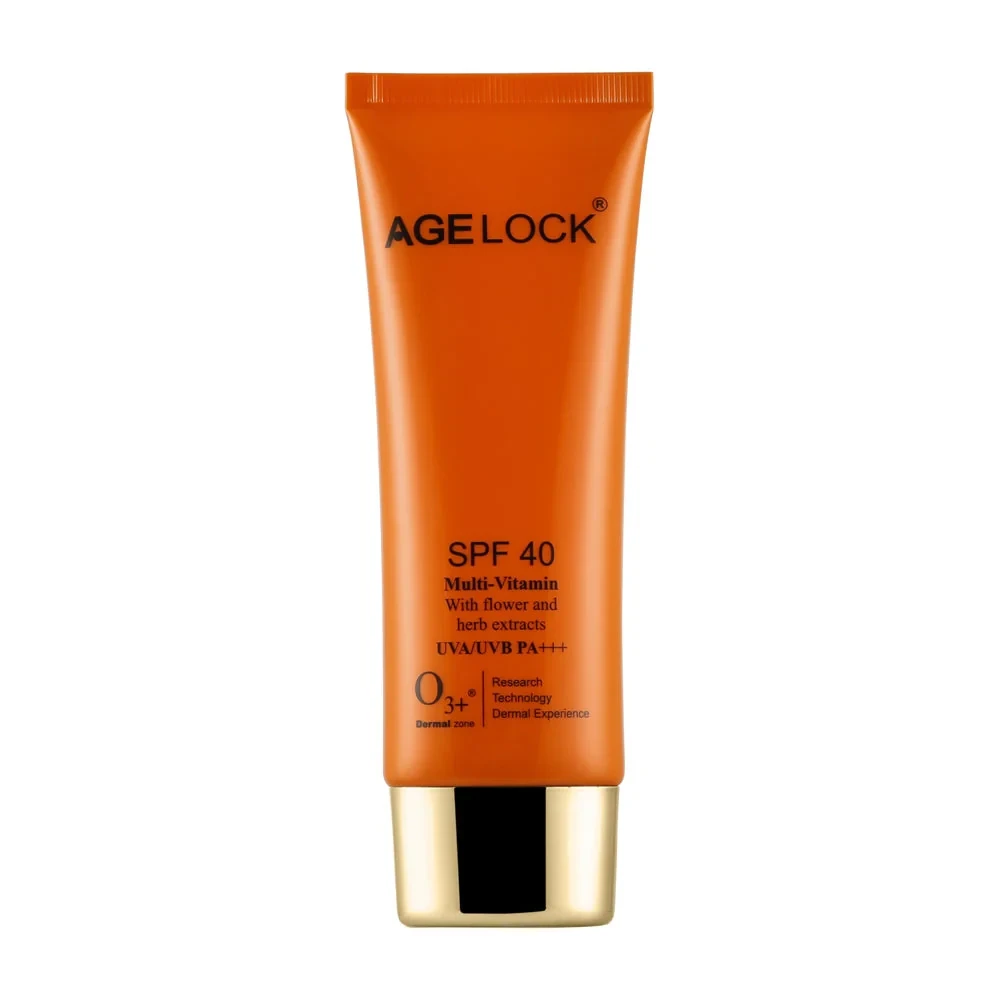
- Always wear sunscreen during the day
Consistency is the key to helping your skin recover.
Conclusion
A weak skin barrier often shows clear signs like dryness, redness, burning, dullness, and unexpected breakouts. Paying attention to these changes early can help you prevent further irritation and restore healthy skin faster. By switching to gentle skin care products and following a simple barrier-repair routine, you can bring back your skin’s natural strength, softness, and glow.



























Sign in to leave a comment.