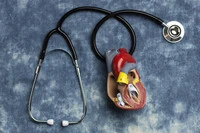

Heart failure (HF) is a complex and often debilitating condition that significantly impacts the lives of millions worldwide. While the primary focus of management often centers around optimizing cardiac function and reducing mortality, the impact of arrhythmias, frequently accompanying HF, on patients' quality of life (QoL) is often overlooked. This article aims to shed light on the often silent suffering experienced by HF patients due to arrhythmias and underscore the importance of holistic care that addresses both the physical and psychological aspects of this condition.
The Hidden Burden of Arrhythmias in Heart Failure
Arrhythmias, or irregular heart rhythms, are common in patients with HF, affecting up to 50% of individuals. While some arrhythmias may be asymptomatic, others can cause a range of distressing symptoms, including palpitations, dizziness, lightheadedness, chest pain, and even syncope (fainting). These symptoms can have a substantial effect on a patient's physical abilities, emotional health, and overall life satisfaction.
Physical Limitations and Reduced Functional Capacity
Arrhythmias can severely limit a patient's ability to engage in physical activity, even simple daily tasks. The fear of triggering symptoms like palpitations or dizziness can lead to avoidance behavior, further exacerbating deconditioning and physical decline. This can result in a vicious cycle, where reduced activity leads to further deterioration in cardiac function and worsening arrhythmias.
Emotional Distress and Psychological ImpactThe unpredictable nature of arrhythmias can cause significant anxiety and fear in patients. The persistent concern about the timing of the next episode and its potential repercussions can lead to increased levels of stress and emotional strain. Moreover, the social isolation resulting from physical limitations and fear of leaving the house can contribute to depression and other mood disorders.
Sleep Disturbances and FatigueArrhythmias can also disrupt sleep patterns, leading to insomnia, frequent awakenings, and non-restorative sleep. Sleep deprivation can further exacerbate fatigue, daytime sleepiness, and cognitive impairment, adding to the overall burden of the disease.
Social Isolation and Stigma
The physical and emotional toll of arrhythmias can lead to social withdrawal and isolation. Patients may avoid social gatherings or activities due to fear of experiencing symptoms or embarrassment about their condition. The stigma associated with heart failure and arrhythmias can further exacerbate feelings of isolation and lead to decreased social support.
Strategies for Improving QoL:
Fortunately, there are strategies to manage arrhythmias and improve QoL in HF patients. Here are some key approaches:
Symptom Management: Effective management of arrhythmias through medications, catheter ablation, or device therapy can significantly improve symptoms and reduce the associated anxiety and fear. Healthcare professionals can enhance their expertise in selecting appropriate treatment modalities and optimizing symptom management by participating in arrhythmia CME programs, ensuring patients receive the best possible care.Psychological Support: Providing psychological counseling, cognitive behavioral therapy (CBT), and stress management techniques can help patients cope with the emotional distress associated with arrhythmias.Psychological Support: Addressing the emotional burden of both HF and arrhythmias is crucial. Providing access to mental health professionals experienced in cardiac conditions can significantly improve patients' coping skills and overall well-being.Patient Education: Equipping patients with information about their condition and available treatment options enables them to engage actively in their healthcare journey.Conclusion
The impact of arrhythmias on the quality of life of heart failure patients is often underestimated and underappreciated. By recognizing the multidimensional nature of this burden and implementing a holistic approach to care, we can enable patients to reclaim control of their lives, improve their well-being, and ultimately achieve a better quality of life.






























Sign in to leave a comment.