

Achieving a vibrant, emerald-green landscape in the Lower Mainland requires more than just a passing interest in gardening. In Richmond and Surrey, homeowners and enterprise managers face a unique set of horticultural hurdles—from the relentless moss growth of a damp Pacific spring to the strict Stage 1 water restrictions that define our dry summers. Because Richmond sits on reclaimed delta land, the high clay content and high water table often lead to drainage failures that can drown expensive turf or invite aggressive pests like the European Chafer beetle.
Maintaining a high-performance lawn in British Columbia is a forensic exercise in soil science and timing. A professional-grade strategy moves beyond basic aesthetics, focusing instead on building a resilient ecosystem capable of withstanding our specific coastal stressors. Whether you are overseeing a luxury estate in Broadmoor or a commercial lot in North Surrey, the health of your exterior is the literal foundation of your property’s curb appeal and market value. This guide provides the expert framework needed to master the local climate and ensure your turf remains a lush, functional asset year-round.
The Foundation of Professional Richmond Lawn Care Services
The secret to a championship-caliber lawn is rarely found in a bag of generic fertilizer; it begins with the structural integrity of the soil. For most Richmond properties, the primary challenge is compaction. When the heavy winter rains fall, the fine particles in our clay-rich soil pack together, sealing off the root zone from oxygen and nutrients.
Soil pH and Mineral Balancing
In the Pacific Northwest, consistent rainfall naturally leaches calcium and magnesium from the earth, leading to acidic soil conditions. Grass thrives at a nearly neutral pH (around 6.5), but moss—the eternal nemesis of the local gardener—flourishes in the acidic range. Applying dolomite lime in the early spring or late fall is a critical step to balance this acidity. Without this correction, the soil remains "locked," preventing grass from absorbing the very nutrients you provide through fertilization.
Mechanical Aeration and Drainage
Because of the heavy clay density in Surrey and Richmond, core aeration is a non-negotiable requirement. By removing small plugs of soil, you manually create pathways for air, water, and biological life to reach the deep root zone. For high-traffic luxury properties or enterprise landscapes, we recommend aerating twice per year: once in April to kickstart spring growth and once in September to repair summer stress. This practice is the most effective way to prevent "capping," where the soil surface becomes an impermeable barrier.
Seasonal Strategies for the Lower Mainland Climate
The transition between seasons in British Columbia is rarely linear. We often experience "false springs" followed by sudden frosts, which can trick your lawn into breaking dormancy too early. A professional maintenance schedule must be adaptive rather than rigid.
Spring Awakening and Moss Mitigation
March and April represent the most critical window for local turf health. This is when moss is at its most aggressive, taking advantage of the cool, damp conditions. A forensic approach to spring care includes:
- Dethatching (Power Raking): Removing the layer of organic debris that chokes out new grass shoots.
- Overseeding: Introducing modern, endophytic perennial ryegrass and fescue blends that are naturally resistant to local pests and drought.
- Early Fertilization: Using a slow-release nitrogen source to support steady growth without causing the "surge" that leads to weak, disease-prone blades.
Summer Survival and Drought Resistance
When the July heat arrives, the focus shifts from growth to survival. With the City of Richmond enforcing strict lawn sprinkling regulations, your irrigation strategy must be precise. Deep, infrequent watering—aiming for one inch of water per week—encourages roots to grow deeper into the soil. Shallow, daily watering does the opposite, leaving your lawn vulnerable to "browning out" the moment temperatures spike.
Precision Equipment and Mechanical Maintenance
The quality of your equipment directly dictates the health of your turf. Using a mower with dull blades doesn't just look bad; it creates jagged wounds on the grass blades that act as entry points for fungal diseases like Red Thread or Brown Patch, which are common in our humid coastal air.
The Critical Role of Blade Sharpness
A clean, surgical cut allows the grass to heal almost instantly, retaining its internal moisture and vigor. For homeowners and enterprise managers, ensuring your lawn mower service repair is handled before the peak growing season is essential. Sharp blades reduce the mechanical stress on the plant, leading to a deeper green color and better resilience against foot traffic.
Industrial vs. Residential Mowing Standards
While a standard push mower might suffice for a small suburban yard, larger estates and luxury properties benefit from high-efficiency equipment that offers better clipping distribution. We generally recommend "grasscycling," or mulching your clippings, as they return up to 25% of the lawn's required nitrogen to the soil. This acts as a natural, slow-release fertilizer that costs nothing and improves the organic matter content of your clay soil.
Managing Regional Pests and Biological Threats
The European Chafer beetle remains the single greatest threat to lawns in Surrey and Richmond. These larvae consume the root system of the grass, but the most visible damage often comes from crows, skunks, and raccoons digging up the weakened turf to reach the grubs.
Integrated Pest Management (IPM)
Rather than relying on heavy chemical interventions, the most effective defense against Chafer beetles is a thick, healthy lawn. Keeping your grass at a height of 3 inches (7.6 cm) shades the soil, making it much less attractive for adult beetles to lay their eggs. Furthermore, maintaining a dense root mat through proper lawn care strategies for vancouvers unique climate makes it much harder for secondary predators to flip the turf.
Fungal Disease Prevention
Our damp winters and humid springs create the perfect environment for fungi. Improving air circulation through regular aeration and pruning back overhanging tree limbs can significantly reduce the risk of disease. If you notice pinkish threads or brown, circular patches, it is often a sign of nutrient deficiency or poor drainage rather than a need for aggressive fungicides.
Comparing Management Models: DIY vs. Professional Care
Many homeowners enjoy the weekend ritual of lawn maintenance, but for luxury property owners and enterprise clients, the complexity of modern lawn care lawn care services often necessitates professional intervention.
| Feature | DIY Approach | Professional Strategy |
| Tool Investment | High upfront cost for mowers & spreaders | No capital outlay; industrial-grade tech |
| Product Access | Consumer-grade seeds and fertilizers | High-analysis, professional-only nutrients |
| Timing & Precision | Subject to personal schedule/weather | Strictly aligned with biological growth windows |
| Diagnostic Ability | Trial and error (Google-based) | Forensic soil and pest analysis |
| Visual Performance | Variable based on effort | Consistent, high-density emerald turf |
For those managing high-value assets, a professional partnership provides more than just a mowed lawn; it offers "landscape insurance." Experts can spot a Chinch bug infestation or a drainage failure weeks before a layman would notice, potentially saving thousands in replacement costs.
Technical On-Page Optimization: Richmond Turf FAQs
How often should I mow my lawn in Richmond?
During the peak growing season (May and June), you should mow every 5 to 6 days. In the heat of August, this can slow to once every 10 days. Always follow the "one-third rule": never remove more than one-third of the grass blade height in a single session to avoid shocking the plant.
What is the best grass seed for the Surrey area?
For our coastal climate, a blend of Perennial Ryegrass, Kentucky Bluegrass, and Fine Fescues is ideal. This mixture provides the best balance of shade tolerance, wear resistance, and the ability to stay green during our cool, wet winters.
Can I get rid of moss without using chemicals?
Yes. Moss is a symptom of a problem, not the cause. Moss grows where it is too wet, too shady, or the soil is too acidic. By aerating to improve drainage, pruning trees to increase sunlight, and applying lime to balance pH, you can naturally discourage moss growth.
Why is my lawn turning brown despite regular watering?
This is often caused by localized dry spots or soil hydrophobicity, where the soil actually repels water. It can also be a sign of root damage from pests like Chafer beetles. If you notice birds or raccoons tearing up the turf, you likely have a grub issue that needs immediate attention.
When is the best time to fertilize my property?
The "holiday schedule" is a great rule of thumb for our climate: Victoria Day (May), Labor Day (September), and Thanksgiving (October). A late-fall "winterizer" treatment is especially important in BC to strengthen the roots before the heavy winter rains arrive.
Advanced Strategies for Elite Landscapes
For those with large-scale estates or complex irrigation systems, basic maintenance is rarely enough. Success requires a deep understanding of the local microclimates found within the Lower Mainland. Managing a luxury property means balancing aesthetics with environmental responsibility. This includes the use of smart irrigation controllers that adjust water output based on real-time weather data and precision nutrient application that ensures no fertilizer ends up in our local waterways.
The Value of Professional Partnership
A healthy lawn is a living organism that reacts to every change in the environment. From the salt spray of the coast to the heavy shade of mature cedars, every variable must be accounted for. Partnering with a specialist ensures that these variables are managed proactively rather than reactively.
If your goal is a landscape that reflects the quality and prestige of your home or business, it is time to move beyond the basics. A scientifically managed lawn doesn't just look better; it feels cooler in the summer, filters runoff more effectively, and provides a soft, safe surface for families and guests.
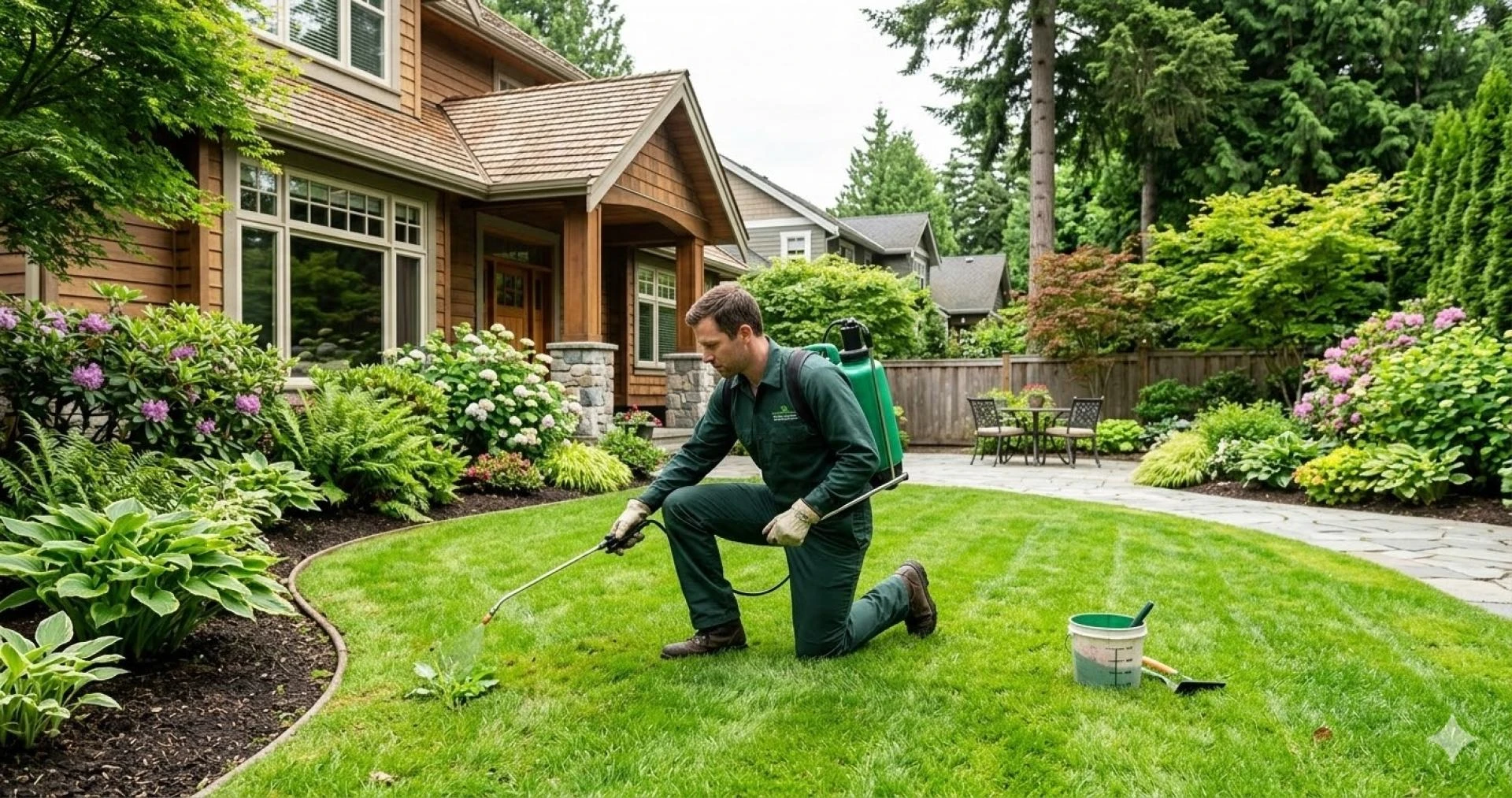
Harry’s Lawn Care specializes in high-performance turf management for the Richmond and Surrey areas. Our team combines local expertise with professional-grade equipment to deliver results that stand up to the rigors of the BC climate. Whether you need a one-time restoration or a comprehensive year-round management plan, we provide the authoritative richmond lawn care services your property deserves.
Ready to elevate your property’s exterior?
Contact Harry’s Lawn Care today for a forensic site assessment and discover how a customized maintenance strategy can transform your landscape into a resilient, vibrant masterpiece.





























Sign in to leave a comment.