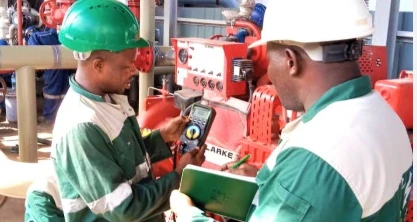

Troubleshooting instrumentation systems in Kenya is not just about having technical skill.
It's about finding practical solutions when things don't go as planned.
Whether it's in manufacturing or energy, instrumentation systems play a crucial role across industries in Kenya. Engineers need to understand the unique challenges each industry faces and adapt their skills accordingly. Here, we provide insights into the key skills that help engineers not only fix issues but also prevent them:
Attention to detail
Instrumentation engineers must pay close attention to minor issues, such as loose connections, calibration errors, or minor wear and tear, as these can quickly escalate into bigger problems if left unaddressed. For example, a loose wire in a control panel might initially cause intermittent faults, but if not fixed, it could lead to a complete system shutdown. Being detail-oriented ensures that these small issues are caught and resolved early, preventing costly breakdowns and minimising downtime.
Proficiency with diagnostic tools
Advanced diagnostic tools such as oscilloscopes, multimeters, signal generators, and thermal cameras are useful for troubleshooting instrumentation systems. Instrumentation engineers must know how to use them effectively. These tools help engineers identify faults quickly and accurately by providing precise measurements and visual insights into the system's performance.
Reading schematics
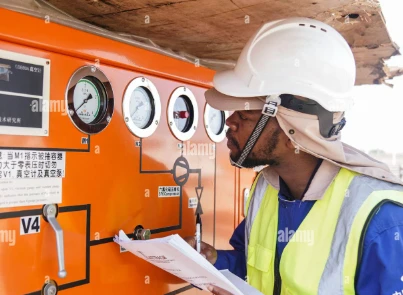
Instrumentation systems, whether used in urban factories or rural energy projects, require engineers to understand technical schematics and diagrams. These are essential for identifying potential issues and ensuring proper installation and maintenance. The ability to read and interpret these diagrams allows engineers to visualise the entire system, understand the connections between different components, and identify discrepancies that could lead to malfunctions. This skill is critical for troubleshooting because it provides the roadmap needed to diagnose and resolve problems effectively.
Analytical thinking and problem-solving skills
Instrumentation systems often involve multiple interconnected components. Identifying and isolating the root cause of issues requires strong analytical and problem-solving skills. Engineers must be able to systematically evaluate each part of the system and apply logical analysis to diagnose problems. This involves understanding how different components interact and methodically narrowing down potential causes through a process of elimination.
Soft skills
Instrumentation engineers need strong soft skills and collaboration abilities because troubleshooting often involves working closely with colleagues who may not have a technical background. Whether it's operators, technicians, or other stakeholders, effective communication helps in many aspects. It helps the engineers gather crucial information, explain technical issues in simple terms, and ensure that everyone understands the steps needed to solve problems.
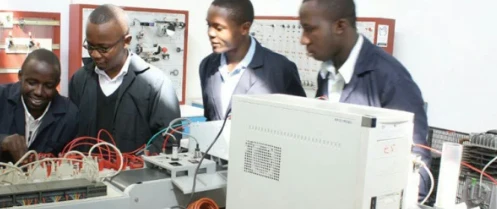
Troubleshooting complex instrumentation systems requires specialised skills, which is why leading companies in Kenya such as Burhani Engineers are investing heavily in training programs. These programs help ensure that engineers have the necessary technical skills, including how to use advanced diagnostic tools, interpret schematics, and work effectively under challenging conditions.





























Sign in to leave a comment.