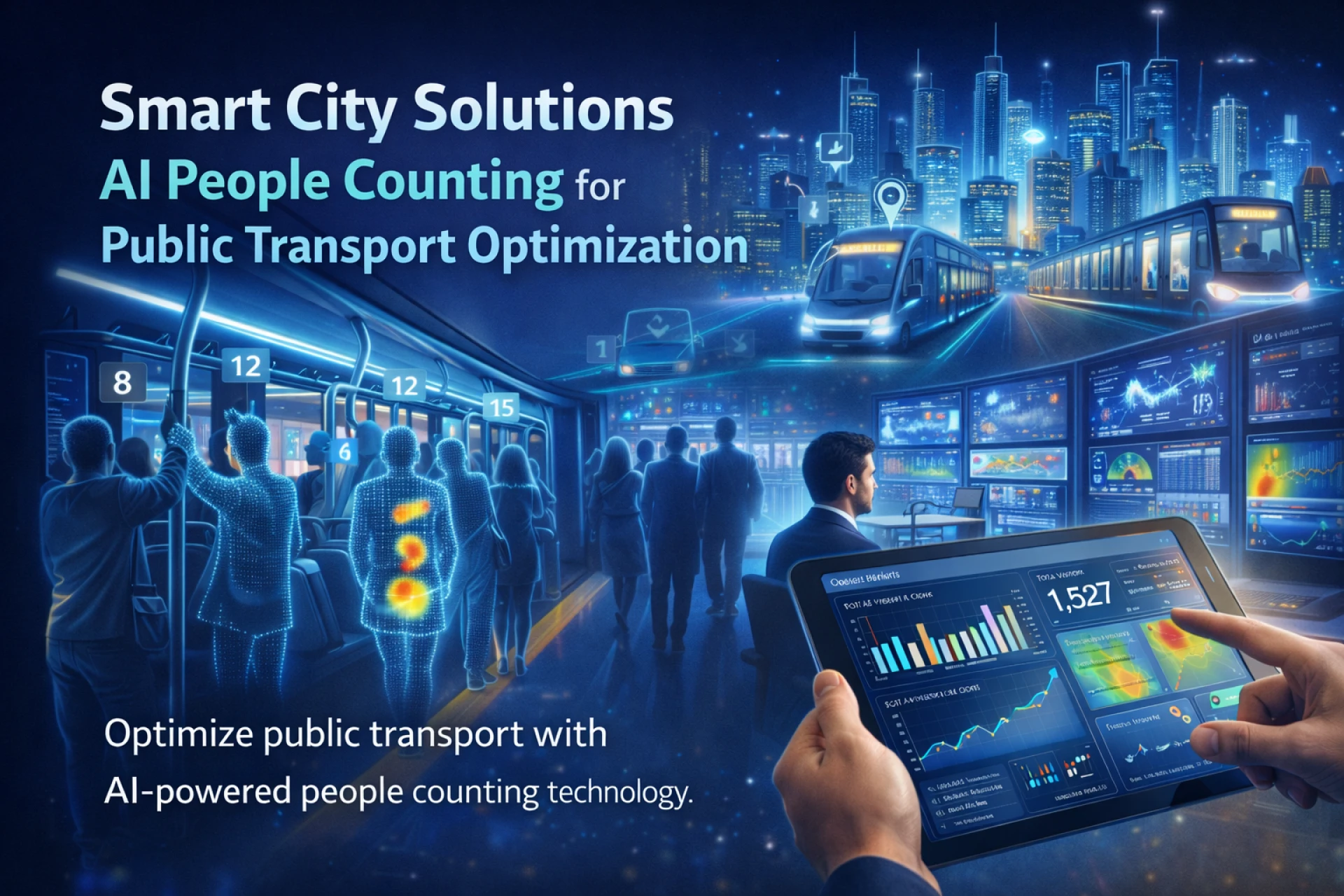

In the modern urban landscape, cities are becoming increasingly congested, and public transport systems are under constant pressure to accommodate growing populations efficiently. Smart city initiatives aim to leverage technology to improve urban life, optimize resources, and enhance citizen experiences. Among the technological solutions gaining traction is people counting software, a sophisticated system that tracks and analyzes foot traffic in real time.
By incorporating this technology into public transport networks, city planners and transport authorities can optimize operations, reduce overcrowding, and enhance the overall commuting experience. This article explores how people counting software is transforming public transport in smart cities and why it is an essential tool for modern urban planning.
The Need for People Counting Software in Public Transport
Public transportation systems face multiple challenges, including fluctuating passenger volumes, inefficient route planning, safety concerns, and resource allocation. Traditional methods of tracking passenger flow, such as manual counting or surveys, are labor-intensive, prone to errors, and unable to provide real-time insights.
People counting software addresses these challenges by using AI-powered sensors, cameras, or IoT devices to accurately monitor passenger numbers across buses, trains, metro stations, and bus terminals. These systems collect and analyze data continuously, enabling transport authorities to make informed decisions about scheduling, route optimization, and fleet management.
Key Benefits of People Counting Software for Public Transport
1. Optimized Passenger Flow
By accurately tracking the number of passengers in real time, public transport authorities can identify peak hours, crowded routes, and underutilized services. This allows them to dynamically adjust schedules, add more vehicles during rush hours, and reduce congestion, ensuring smoother commutes.
2. Improved Operational Efficiency
People counting software provides actionable insights into passenger patterns, helping transport agencies allocate resources more efficiently. For example, bus routes with consistently low ridership can be modified, while high-demand routes can receive additional vehicles, reducing wait times and improving service quality.
3. Enhanced Safety and Compliance
Crowded transport systems pose safety risks, particularly in emergencies. People counting technology helps monitor passenger density and ensures that vehicles and stations operate within safe occupancy limits. Authorities can proactively manage crowding, ensuring compliance with safety regulations and reducing the likelihood of accidents.
4. Data-Driven Infrastructure Planning
Long-term planning for public transport infrastructure can be significantly improved with historical and real-time passenger data. Insights from people counting software allow cities to make informed decisions about expanding transit networks, adding new stops, or increasing vehicle capacity in specific areas.
5. Enhanced Passenger Experience
An optimized transport system reduces waiting times, avoids overcrowding, and improves reliability. Passengers benefit from a smoother, more predictable commute, enhancing satisfaction and encouraging greater adoption of public transport services.
How People Counting Software Works in Public Transport
People counting systems combine advanced hardware and software to collect accurate data on passenger movement. Common technologies include:
- AI-Powered Cameras: Installed at bus entrances, train doors, or station gates, these cameras track individual passengers using computer vision algorithms.
- Infrared Sensors: Detect movement and count passengers as they board or exit vehicles.
IoT-Enabled Devices: Communicate real-time occupancy data to central management systems for analysis.
The software aggregates the data, providing actionable insights through dashboards, heatmaps, and analytical reports. This enables transport authorities to make quick operational adjustments and strategic long-term plans.
Case Study: Smart Cities Leveraging People Counting Software
Several cities worldwide have successfully integrated people counting technology into their transport systems:
- Singapore: Uses real-time passenger flow data to manage metro and bus services efficiently, ensuring optimal vehicle allocation during peak hours.
- London: Deploys AI-driven sensors at tube stations to monitor crowd density and optimize train schedules, reducing congestion and improving passenger safety.
New York City: Uses advanced footfall analytics to understand commuter patterns, improve bus dispatching, and enhance public transport reliability.
These examples demonstrate how technology can transform public transportation into a more efficient, safe, and user-friendly service.
Nextbrain: Transforming Smart Cities with AI People Counting Solutions
Nextbrain is a leading AI development company specializing in smart city solutions, including people counting software for public transport. Our solutions combine AI-powered analytics, real-time monitoring, and predictive insights to help cities optimize transportation networks.
With Nextbrain’s platform, public transport authorities can:
- Monitor passenger flow in real-time across buses, trains, and stations.
- Make data-driven decisions for route planning and fleet allocation.
- Enhance commuter safety by preventing overcrowding.
- Improve long-term infrastructure planning through actionable insights.
By partnering with Nextbrain, cities can transform their public transport systems into smarter, safer, and more efficient networks, providing citizens with a superior commuting experience.
Conclusion
The future of urban transportation lies in data-driven decision-making. People counting software empowers smart cities to optimize public transport operations, enhance safety, improve commuter experiences, and plan efficiently for the future.
Partner with Nextbrain today to implement AI-powered people counting solutions and transform your city’s transportation network into a smarter, safer, and more efficient system.
FAQs
1. How accurate is people counting software in public transport?
Modern people counting software uses AI-powered cameras and sensors that achieve accuracy levels of 95% or higher, providing reliable passenger data for operational decisions.
2. Can people counting software integrate with existing transport management systems?
Yes, the software is designed to integrate seamlessly with current transportation management platforms, enabling centralized monitoring and data analysis.
3. How does people counting software improve safety?
By monitoring real-time passenger density, transport authorities can prevent overcrowding, ensure compliance with safety limits, and manage emergencies more effectively.
4. Is it expensive to implement people counting solutions for a city’s public transport system?
While there is an initial investment, the long-term benefits—optimized operations, reduced congestion, enhanced safety, and data-driven planning—typically outweigh the costs.
5. Can the software provide historical data for planning purposes?
Yes, people counting systems store historical data, allowing authorities to analyze trends, plan infrastructure improvements, and forecast future passenger needs.
























Sign in to leave a comment.