
Introduction
In the evolving world of B2B transactions, businesses are constantly seeking faster, more secure, and efficient ways to execute agreements. Two digital solutions often discussed are Smart Contracts and eSignatures. While both aim to streamline contract management, they serve different purposes and are suited for different scenarios.
eSign, especially Aadhaar-based solutions like Meon eSign, ensures legally valid, secure, and auditable signatures for documents. Smart Contracts, on the other hand, are self-executing digital contracts built on blockchain technology, which automatically enforce terms when predefined conditions are met. Understanding which solution is right for your business is key to improving efficiency, compliance, and trust in B2B agreements.
What is a Smart Contract?
A Smart Contract is a digital protocol that automatically executes terms of an agreement when certain predefined conditions are met. Built on blockchain technology, smart contracts are immutable, transparent, and verifiable, making them ideal for scenarios where automation and trust are paramount.
Key features of Smart Contracts:
- Automatic execution of contract terms
- Immutable and tamper-proof records
- Transparency for all parties involved
- Minimal need for intermediaries
Smart contracts are commonly used in supply chain management, decentralized finance (DeFi), and automated payments where transactions require trustless execution.
What is eSign?
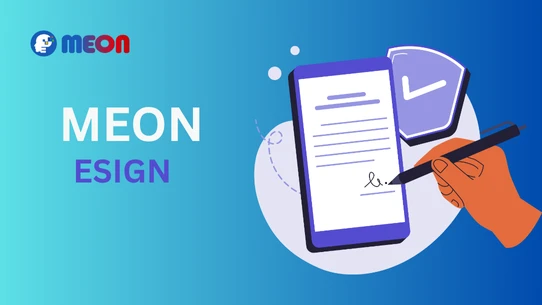
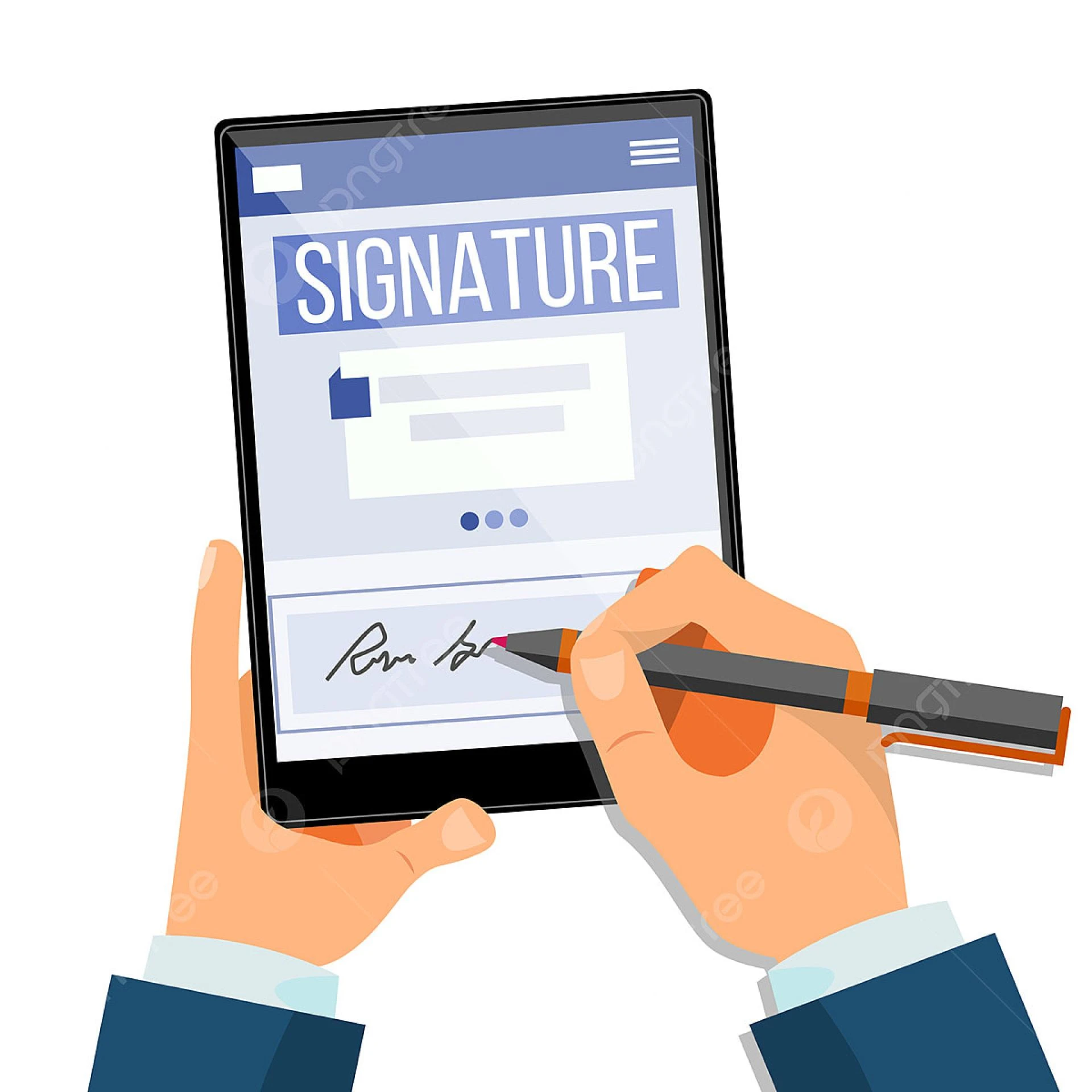
eSign enables parties to digitally sign documents using Aadhaar-based authentication or other secure methods. Platforms like Meon eSign make this process fast, legally recognized, and fully auditable.
Key features of eSign:
- Legally valid under the IT Act, 2000
- Aadhaar OTP or biometric authentication for signer verification
- Tamper-proof, encrypted, and audit-ready documents
- Compatible with digital formats like PDF, Word, and Excel
Unlike smart contracts, eSign does not automate execution. Its primary function is to digitally validate agreements and ensure legal enforceability.
Smart Contracts vs eSign: Key Differences
- Legal Recognition
- eSign: Fully recognized under Indian law for all B2B agreements.
- Smart Contracts: Legally enforceable in limited contexts; may require integration with traditional contracts for full legal validity in India.
- Automation
- eSign: Digitally validates signatures; execution is manual.
- Smart Contracts: Automatically executes contract terms when conditions are met.
- Complexity
- eSign: Easy to implement and integrates seamlessly with CRM, ERP, and SaaS platforms.
- Smart Contracts: Requires blockchain expertise and specialized infrastructure.
- Flexibility
- eSign: Can be used for any document or agreement including NDAs, HR forms, contracts, and vendor agreements.
- Smart Contracts: Best suited for agreements with programmable conditions that can be automatically executed.
- Auditability
- eSign: Provides a clear, human-readable audit trail with timestamps and signer details.
- Smart Contracts: Blockchain logs are immutable but may not be as easily interpretable for regulatory audits.
Benefits of eSign for B2B Agreements
- Legal Compliance
- eSign ensures contracts are legally binding under Indian law, making it suitable for banking, insurance, fintech, and corporate agreements.
- Seamless Integration
- Platforms like Meon eSign integrate easily into existing systems for a smooth, end-to-end workflow.
- Speed and Efficiency
- Agreements can be signed instantly from anywhere, reducing delays and improving time-to-revenue.
- Audit-Ready Records
- Each signature is logged with timestamp, Aadhaar verification, and a digital certificate for compliance and traceability.
- Cost Reduction
- Reduces printing, courier, and storage expenses associated with physical documents.
Benefits of Smart Contracts for B2B Agreements
- Automated Execution
- Smart contracts automatically enforce terms like payments, deliveries, or approvals once predefined conditions are met.
- Transparency and Trust
- All parties can view and verify transactions on the blockchain, reducing disputes.
- Reduced Intermediaries
- Minimizes the need for lawyers, notaries, or manual intervention in specific automated workflows.
- Immutability
- Once deployed, smart contracts cannot be altered, ensuring tamper-proof execution.
When to Use eSign vs Smart Contracts
Use eSign when:
- Legal enforceability under Indian law is required
- Multi-party signatures are needed
- Integration with CRM or workflow systems is essential
- Audit-ready documentation is critical
Use Smart Contracts when:
- Automatic execution of conditions is necessary
- Blockchain transparency is required
- Reducing intermediaries is a priority
- Transactions are highly programmable and rule-based
In many cases, eSign and Smart Contracts can complement each other. Businesses can use eSign for legal validation and Smart Contracts for automated execution, combining legal security with operational efficiency.
How Meon eSign Supports B2B Agreements
Meon eSign provides a secure, Aadhaar-based eSign platform with:
- Legally valid and audit-ready signatures
- Secure, tamper-proof document storage
- Seamless integration with SaaS platforms, CRMs, and ERPs
- Real-time tracking of documents
- Mobile and web accessibility
By embedding Meon eSign into workflows, businesses can accelerate contract execution, reduce operational delays, and improve trust with partners and clients.
Conclusion
While both Smart Contracts and eSign offer digital solutions for agreements, they serve different purposes. eSign is best for legal validation, compliance, and universal applicability, whereas Smart Contracts excel in automated execution and blockchain transparency.
For B2B agreements in India, a combination of both may offer the best results — legally enforceable signatures with automated term execution.
Meon eSign empowers businesses to implement secure, Aadhaar-verified eSignatures, streamline B2B workflows, maintain compliance, and enhance trust in every agreement.
Digitize, automate, and secure your B2B contracts — choose Meon eSign.























Sign in to leave a comment.