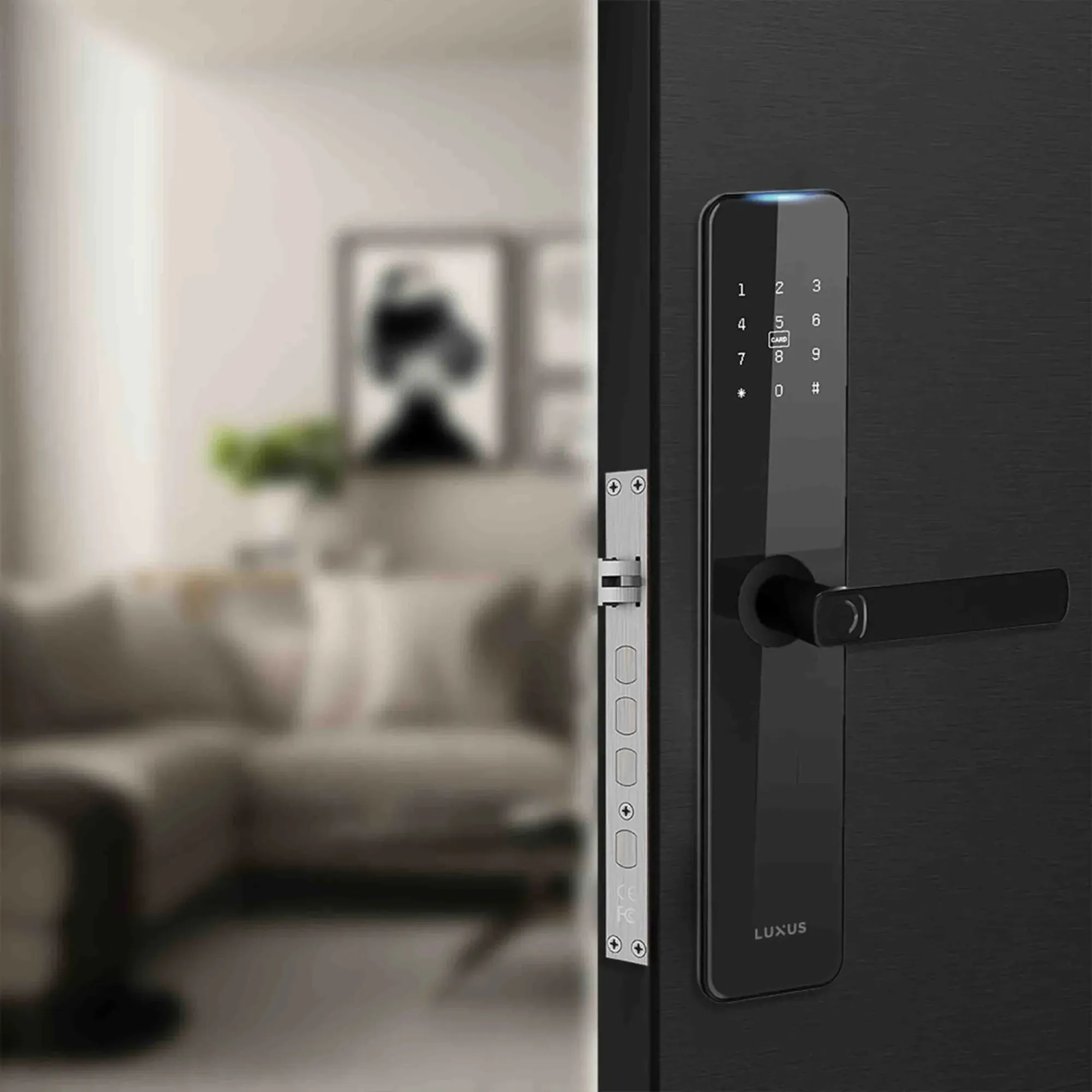

Walk through any new condo showflat or renovated HDB unit today and you'll notice something missing from the front door: the humble key. In its place sits a sleek panel that opens with a fingerprint, a PIN, or a tap on a phone. This shift isn't just a design trend it reflects a genuine rethink of what "home security" means in 2026.
But is switching from a mechanical lock to a smart digital door lock actually worth it, or is it just another gadget riding the smart-home wave? Let's break down the real differences, the trade-offs, and what should factor into your decision this year.
The Traditional Lock: Familiar, But Increasingly Limited
Traditional locks have done their job for decades, and there's something to be said for their simplicity no batteries, no software, no learning curve. But that simplicity comes with real limitations that are becoming harder to ignore.
Keys get lost, copied, and stolen. Every physical key you hand out to a helper, a relative, a contractor is a small security risk you can't fully control. You can't tell who used a spare key or when.
There's no visibility. A mechanical lock can't tell you who entered your home, or when your kids got back from school. If a key goes missing, your only real fix is changing the entire lock.
Daily friction adds up. Fumbling for keys while carrying groceries, kids, or luggage is a small annoyance that repeats every single day.
None of this makes traditional locks "bad." For some households, especially those wary of technology, they remain a reasonable, low-maintenance choice. But for households juggling multiple family members, tenants, or helpers, the gaps start to show.
What a Smart Digital Door Lock Actually Changes
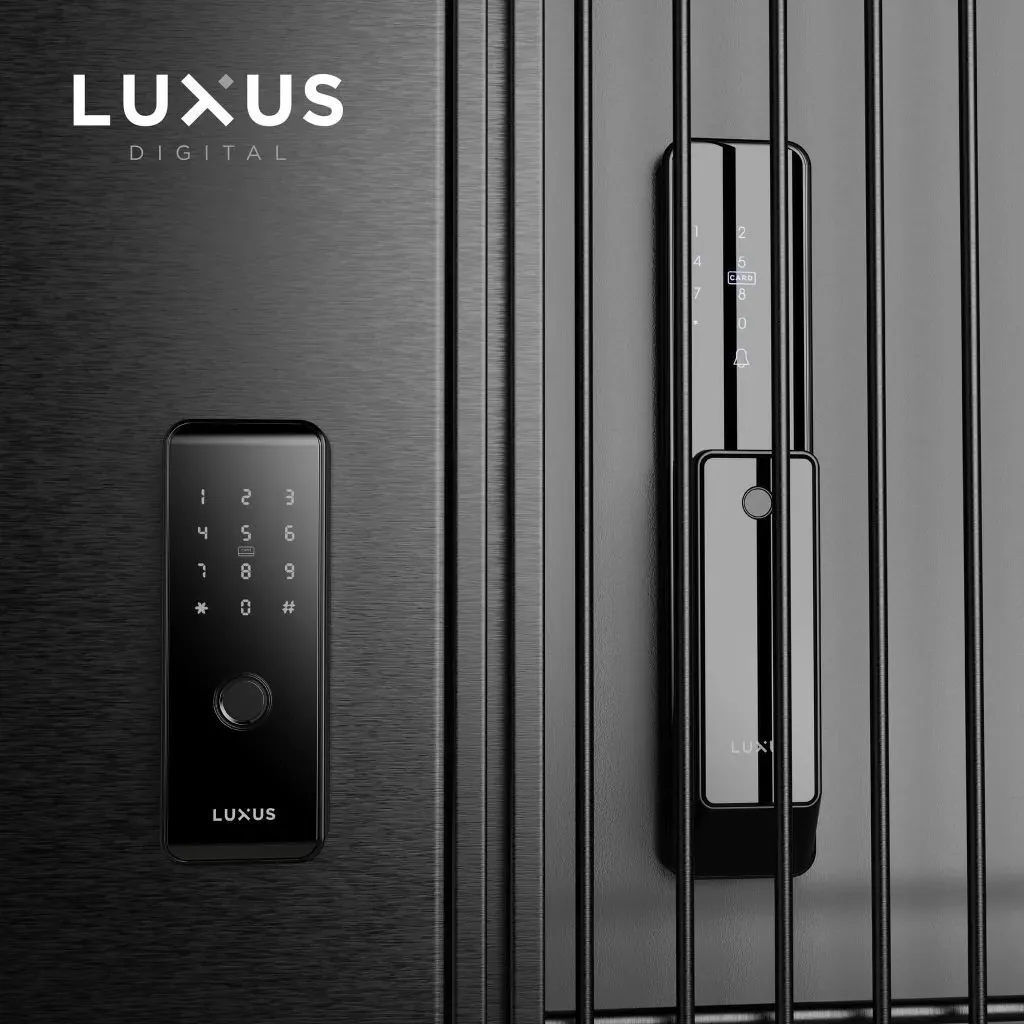
A smart digital door lock replaces the key with multiple access methods fingerprint, PIN code, RFID card, or a smartphone app and layers in features a mechanical lock simply can't offer.
No more duplicate keys. Instead of cutting spare keys for family members or helpers, you assign each person their own fingerprint, PIN, or card. Access can be added or revoked instantly, without touching the lock itself.
Entry logs and alerts. Most models keep a record of who entered and when, so parents can quietly confirm their children got home safely, or know exactly when a cleaner or contractor arrived and left.
Hands-free convenience. With fingerprint or facial recognition, unlocking the door takes under a second genuinely useful when your hands are full or you're managing young kids at the doorstep.
Smart home integration. Many locks now connect with Google Home, Amazon Alexa, or Apple HomeKit, letting you check or control your door remotely and tie it into a broader home automation setup.
Built for local conditions. This matters more than people expect. A digital door lock Singapore households can rely on needs to handle year-round humidity and heat without the internals corroding or the electronics glitching a consideration that's less relevant for markets with drier climates.
Addressing the Big Concern: Is It Actually Safe?
This is the question almost everyone asks before upgrading, and it's a fair one. A few points worth knowing:
- Reputable smart locks use encrypted communication and anti-tampering mechanisms, making them considerably harder to bypass than a basic pin-tumbler lock, which can be picked with common tools.
- Battery backup and mechanical key overrides are standard on most quality models, so a power failure or drained battery won't lock you out permanently.
- Repeated failed access attempts typically trigger a lockout or alert, something a traditional lock has no way of doing.
That said, not all digital locks are built the same. Cheaper, unbranded units may skimp on encryption or weatherproofing. This is where checking for proper certification, local warranty support, and climate-appropriate materials becomes genuinely important not just a sales pitch.
The Cost Question
A traditional lock is cheaper upfront, no argument there. A smart digital door lock involves a higher initial investment and, occasionally, a battery replacement down the line.
But the comparison isn't purely about sticker price. Consider what you're paying for over time: no more re-keying costs when someone loses a key, no locksmith call-outs, and for landlords or those renting out rooms, the ability to manage tenant access without ever changing a physical lock. For many households, the convenience and control end up outweighing the higher entry cost within the first year or two.
So, Is It Worth Upgrading in 2026?
If your household includes multiple family members, a helper, elderly parents, or young children, a smart digital door lock generally makes daily life noticeably easier while closing several of the security gaps a mechanical lock leaves open. If you frequently host guests, run a short-term rental, or simply want more visibility into who comes and goes, the case is even stronger.
If you live alone, rarely have visitors, and prefer to keep things as simple as possible, sticking with a traditional lock isn't unreasonable it still works, and it always will.
For most modern households in 2026, though, the shift toward keyless entry isn't just a trend to watch from the sidelines. It's become a practical upgrade that pays off in convenience, control, and long-term peace of mind.
FAQ
1. Do smart digital door locks work during a power outage? Yes. Most reliable models run on internal batteries rather than mains power, and include a physical key override as backup, so a blackout won't leave you locked out.
2. Can a smart digital door lock be hacked? No lock digital or mechanical is 100% immune to determined tampering. However, quality smart locks use encrypted access protocols and anti-tampering alerts that make them significantly harder to compromise than picking a traditional lock.
3. How long does the battery last on a smart digital door lock? This varies by model and usage, but many modern locks offer well over a year of battery life on a single charge, with low-battery alerts sent well before you're at risk of being locked out.
4. Is a digital door lock Singapore-suitable, given the humidity and rain? Locks designed specifically for tropical climates use rust-resistant, waterproof materials to handle Singapore's humidity and heat without degrading this is worth confirming before purchase, as not all models are built for these conditions.
5. Can I install a smart digital door lock on an HDB main door? Yes, but HDB main doors are typically fire-rated, so it's important to choose a lock that's compatible with fire-rated door requirements and, ideally, have it professionally installed to ensure proper fit and compliance.
6. What happens if I lose my phone can I still unlock the door? Yes. Most smart locks offer multiple access methods (fingerprint, PIN, RFID card), so losing your phone doesn't mean losing access to your home.
Conclusion
The debate between a smart digital door lock and a traditional lock ultimately comes down to how you live. Traditional locks offer simplicity without complexity, but a smart digital door lock offers something a mechanical system never can visibility, flexibility, and a level of everyday convenience that fits how modern households actually function. As more homes in Singapore move toward connected living, upgrading your front door is often one of the simplest, highest-impact changes you can make in 2026.























Sign in to leave a comment.