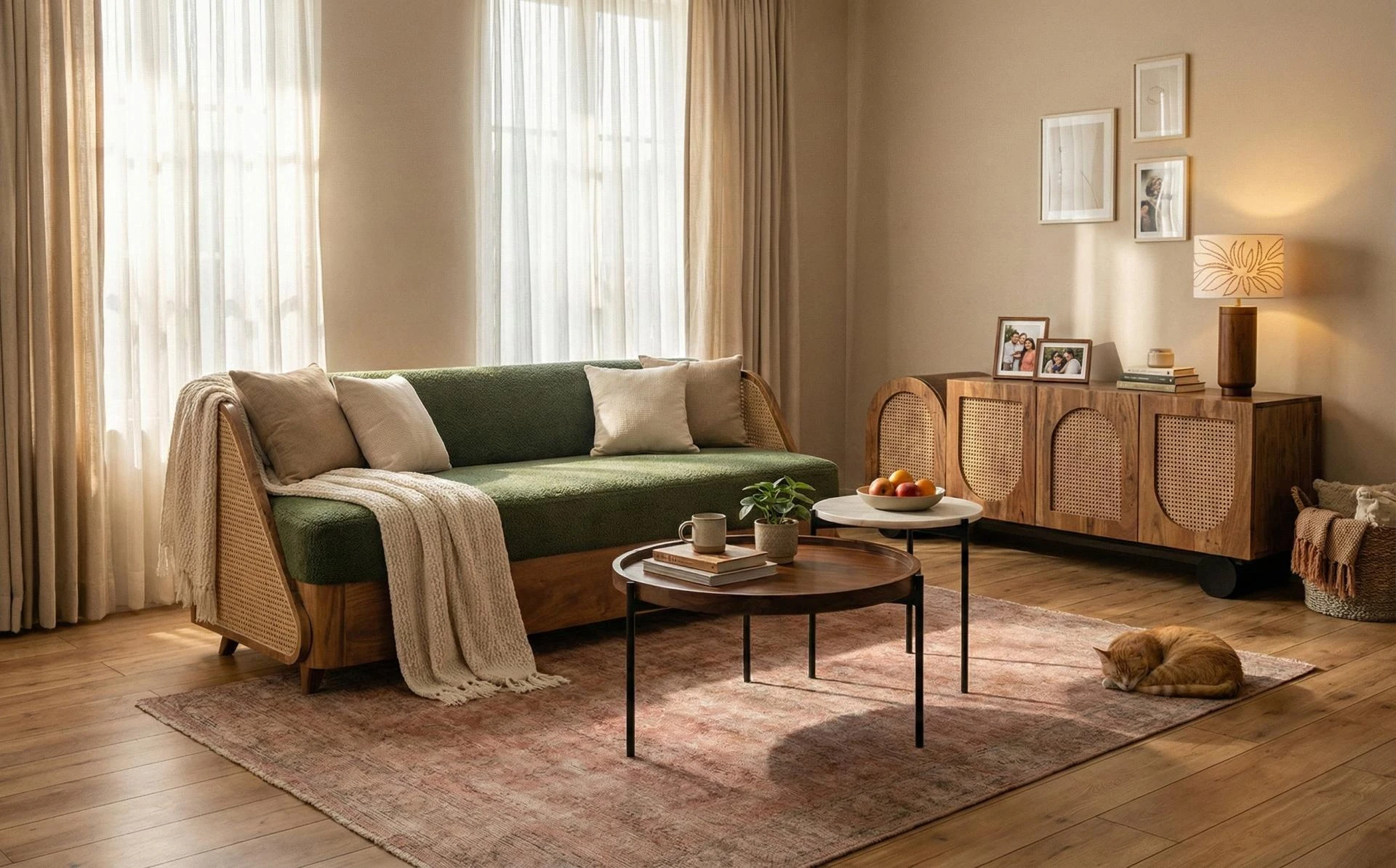

Urban living has changed the way homes are designed. With rising property costs and compact apartment layouts, homeowners are now focusing on making the most of every square foot. In small apartments, furniture choices play a crucial role in determining comfort, functionality, and overall aesthetics.
Rather than filling rooms with bulky pieces, modern homes benefit from furniture that is thoughtfully designed, space-efficient, and adaptable to daily needs.
Understanding Space Before Buying Furniture
One of the most common mistakes in small homes is purchasing furniture without measuring available space. Even stylish furniture can feel overwhelming if it disrupts movement or blocks natural light.
Before buying Premium furniture, it’s important to:
- Measure room dimensions accurately
- Consider doorways and walkways
- Identify primary usage of each room
This planning helps ensure that furniture fits naturally within the space rather than competing with it.
Choosing Multi-Functional Furniture
Multi-functional furniture is a game-changer for compact homes. Pieces that serve more than one purpose help reduce clutter while improving usability.
Popular examples include:
- Sofas with hidden storage
- Beds with built-in drawers
- Extendable dining tables
- Foldable desks and nesting tables
These solutions allow homeowners to enjoy comfort without sacrificing valuable space.
The Importance of Furniture Proportion
In small apartments, proportion matters more than quantity. Slim profiles, raised legs, and open bases help furniture feel lighter and more breathable.
Low-profile sofas, narrow armrests, and compact coffee tables allow better visual flow. Furniture with visible legs creates the illusion of openness by allowing light to pass through.
Material Selection for Compact Homes
Material choice affects both durability and visual weight. Solid wood furniture, when designed with clean lines, offers strength without appearing bulky. Light or natural wood tones further enhance brightness and openness.
Avoid overly dark or heavy finishes in smaller rooms, as they can make spaces feel confined.
Storage Without Visual Clutter
Storage is essential in small homes, but it should be handled carefully. Closed storage helps hide everyday items, while open shelving works best when styled minimally.
Vertical storage—such as tall cabinets or wall-mounted shelves—maximizes space without occupying floor area. Smart storage planning keeps homes organized and visually calm.
Lighting and Furniture Placement
Furniture placement should work in harmony with lighting. Blocking windows with tall or bulky furniture reduces natural light and makes rooms feel smaller.
Placing furniture along walls, using corner seating, and keeping central areas open improves movement and brightness. Floor lamps and wall lights can replace bulky table lamps to save surface space.
Creating Flexible Living Areas
Small homes often need to serve multiple purposes. Living rooms may double as workspaces, and dining areas may also function as study corners.
Furniture that can be rearranged easily supports this flexibility. Lightweight chairs, movable tables, and modular seating allow spaces to adapt throughout the day.
Final Thoughts
Designing a small apartment doesn’t mean compromising on comfort or style. With careful planning, smart furniture choices, and attention to proportion, even compact homes can feel open, functional, and welcoming.
By focusing on multi-functional designs, thoughtful layouts, and quality materials, homeowners can create spaces that work efficiently while still reflecting personal style.



























Sign in to leave a comment.