

Your home is more than four walls and a roof. It’s where mornings begin, where you relax after a long day, and where memories are made. Over time, though, even the most loved homes can start to feel outdated, uncomfortable, or simply not suited to your current lifestyle. That’s where smart home improvement comes in.
Home improvement doesn’t always mean big renovations or huge expenses. Often, small and thoughtful changes can make a noticeable difference. Think of it like upgrading your phone—not because the old one is broken, but because a few improvements can make daily life smoother and more enjoyable.
In this home improvement blog, we’ll break everything down in plain language. No confusing terms, no contractor-only talk. Just practical ideas, simple explanations, and realistic advice you can actually use. Whether you’re fixing one room or slowly improving your entire home, this guide will help you make smarter decisions with confidence.
What Home Improvement Really Means
Home improvement is any change that makes your home better to live in. That “better” can mean more comfortable, safer, more attractive, or more efficient.
Imagine your home as a pair of shoes. Over time, the soles wear down, the laces fray, and the style may feel outdated. You don’t throw them away right away—you repair, clean, or upgrade them. Home improvement works the same way.
It can include:
- Repairing things that no longer work well
- Updating old designs to feel fresh
- Making your home easier to use
- Reducing energy and water waste
The key idea is improvement, not perfection.
Starting Small: Easy Upgrades with Big Impact
Many homeowners believe improvement has to be expensive. That’s not true. Some of the most effective upgrades are small and affordable.
Fresh Paint Changes Everything
Painting a room is like giving it a new personality. Light colors make small spaces feel bigger, while warm tones can make a room feel cozy. Even painting just one wall can change the entire mood of a space.
Lighting Makes or Breaks a Room
Good lighting is like good music—it sets the tone. Replace harsh bulbs with softer ones, add lamps to dark corners, or use brighter lights where you read or cook. Simple lighting changes can make your home feel more welcoming instantly.
New Handles, New Feel
Changing cabinet handles or door knobs is a quick project that feels surprisingly satisfying. It’s like changing the buttons on a shirt—it’s small, but it freshens the whole look.
Improving Comfort Without Major Renovation
Comfort isn’t just about furniture. It’s about how your home supports your daily routine.
Temperature Control
If your home feels too hot or too cold, simple fixes like sealing small gaps around doors and windows can help. Think of it like closing the zipper on a jacket—you keep the warmth where it belongs.
Noise Reduction
Soft furnishings like curtains, rugs, and cushions don’t just look good. They absorb sound, making rooms quieter and more peaceful.
Better Air Quality
Open windows regularly, use indoor plants, and keep air filters clean. Fresh air is like clean water—you don’t always see it, but you feel the difference.
Kitchen Improvements That Actually Matter
The kitchen is often the busiest room in the house. Improving it doesn’t always require tearing everything out.
Focus on Function First
Ask yourself: Is cooking easy here? Do I have enough counter space? Improving layout and storage often matters more than fancy finishes.
Storage Solutions
Pull-out shelves, hanging hooks, and drawer organizers help you find things faster. It’s like organizing your bag—everything has its place, so nothing gets lost.
Updating Surfaces
You don’t always need new cabinets. Sometimes, refinishing or painting existing ones gives the same refreshed look at a fraction of the cost.
Bathroom Upgrades That Feel Luxurious
Bathrooms don’t need to be large to feel comfortable.
Simple Changes, Big Comfort
Replacing old showerheads, adding better mirrors, or upgrading taps can make daily routines more enjoyable.
Keep It Dry and Clean
Good ventilation prevents moisture buildup, which helps avoid mold and bad smells. Think of ventilation like opening a window after cooking—it clears the air.
Storage That Works
Use shelves, baskets, or wall-mounted cabinets to reduce clutter. A tidy bathroom feels calmer and easier to use.
Energy-Saving Improvements That Lower Bills
Saving energy isn’t just good for the planet—it’s good for your wallet.
Efficient Lighting
Switching to energy-saving bulbs reduces electricity use without sacrificing brightness. It’s like getting the same light but paying less for it.
Insulation Basics
Proper insulation keeps heat inside during colder months and outside during warmer ones. Imagine wrapping your home in a blanket—it stays comfortable longer.
Smart Appliance Choices
When replacing appliances, choose ones designed to use less power and water. Over time, these savings really add up.
Outdoor Improvements That Extend Living Space
Your outdoor areas are part of your home too.
Clean and Repair First
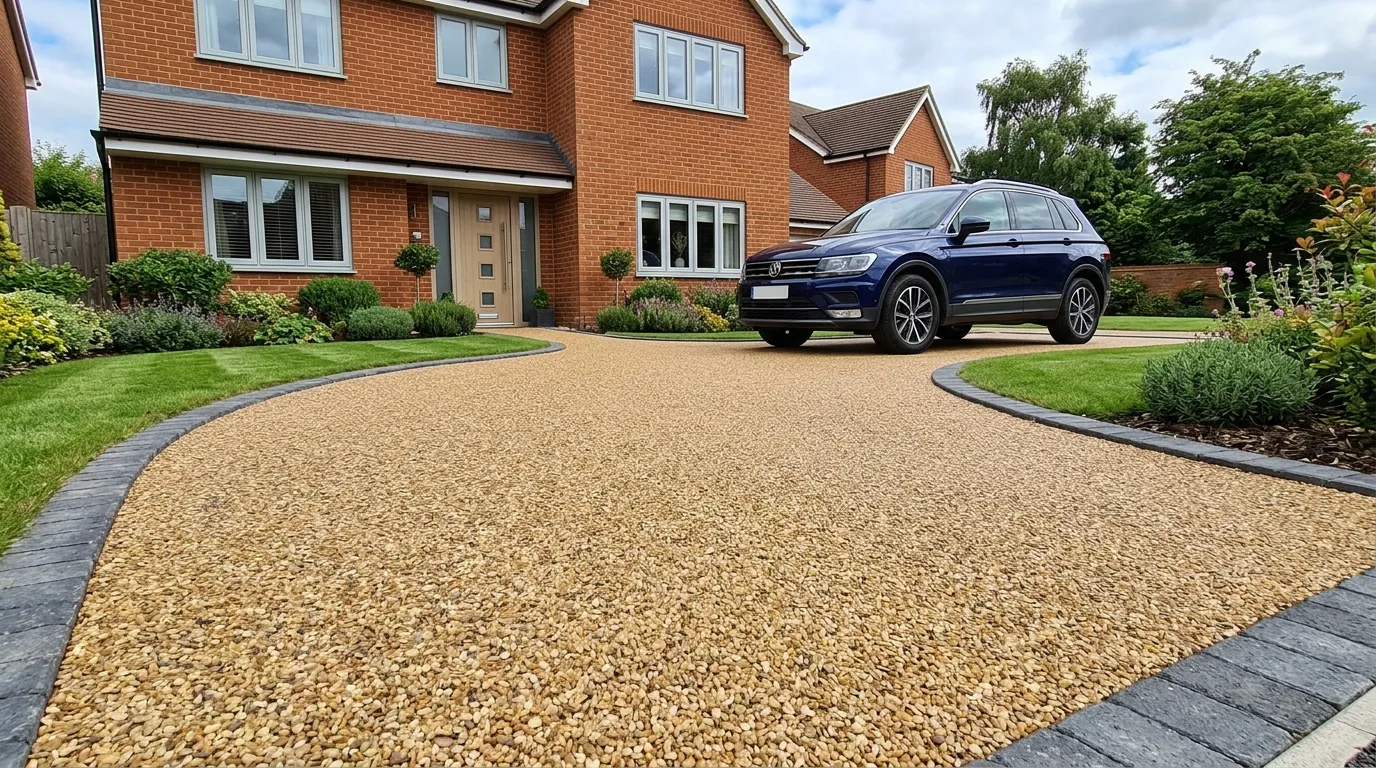
Before adding anything new, fix broken paths, railings, or fences. Safety always comes first.
Make It Usable
A small seating area, shade, or outdoor lighting can turn unused space into a relaxing spot. It’s like adding another room without building walls.
Low-Maintenance Choices
Choose plants and materials that don’t need constant care. This keeps your outdoor space enjoyable, not stressful.
Planning Home Improvements the Smart Way
A little planning can save a lot of money and frustration.
Set Clear Goals
Decide what you want to improve and why. Comfort? Appearance? Energy savings? Clear goals guide better choices.
Work in Stages
You don’t have to do everything at once. Break projects into smaller steps so they feel manageable.
Budget Realistically
Always plan for unexpected costs. Home improvement is like cooking—you should leave room for small surprises.
Many homeowners turn to trusted resources like Growing Business Today for practical insights that connect smart planning with real-world improvement strategies.
When to DIY and When to Get Help
Not every project needs professional help, but not every project should be done alone either.
Good DIY Projects
- Painting
- Installing shelves
- Changing fixtures
- Minor repairs
Projects That Need Experts
- Electrical work
- Plumbing changes
- Structural repairs
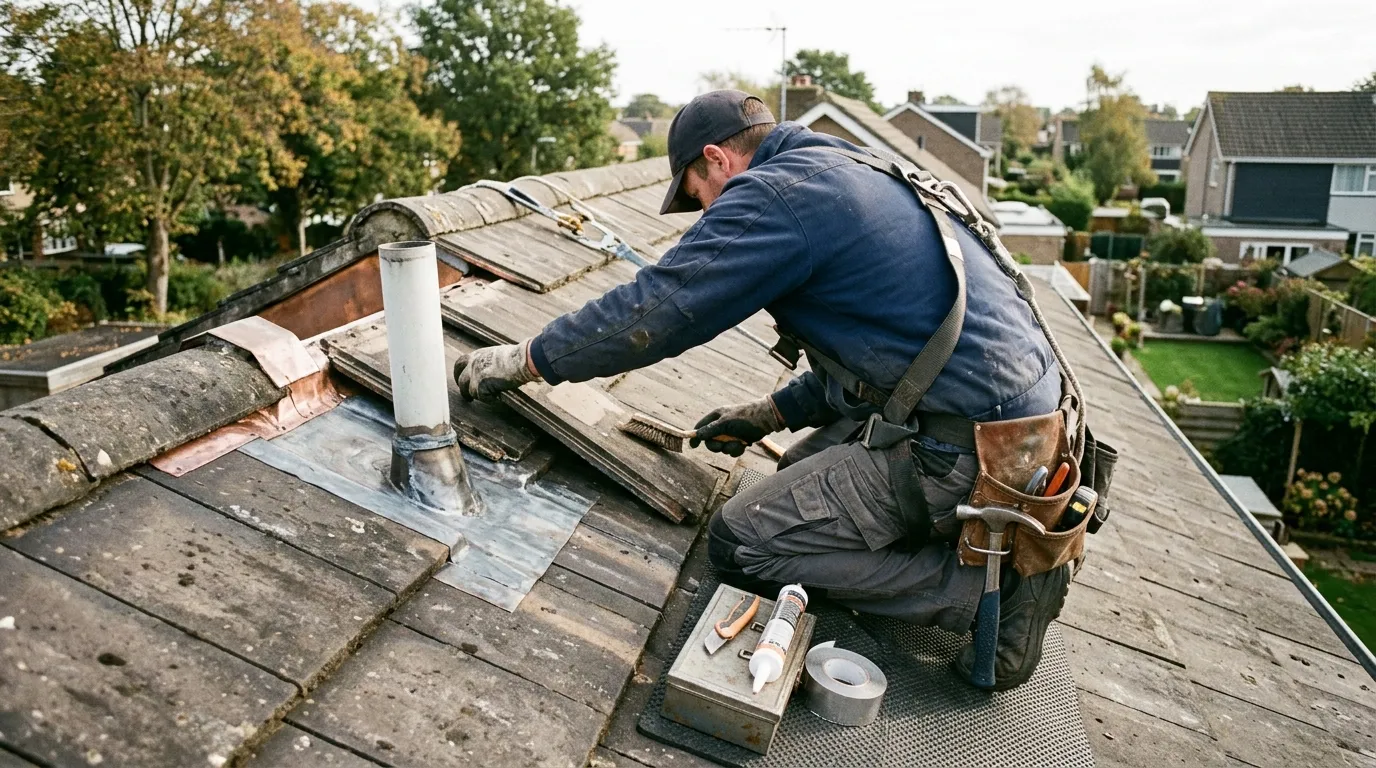
If safety or long-term reliability is at risk, professional help is worth it.
How Home Improvement Affects Property Value
Even if you’re not planning to sell soon, improvements matter.
Buyers often look for homes that feel well cared for. Clean spaces, functional layouts, and energy efficiency make a strong impression. Think of it like selling a car—regular maintenance always increases value.
Not all upgrades add the same value. Focus on improvements that make daily living easier and more efficient. These tend to appeal to everyone.
Avoiding Common Home Improvement Mistakes
Learning from others’ mistakes can save you time and money.
- Don’t rush decisions
- Don’t ignore small problems
- Don’t follow trends blindly
- Don’t skip planning
Good improvement is thoughtful, not rushed.
The Emotional Side of Improving Your Home
Improving your home isn’t just practical—it’s emotional.
A well-improved home can:
- Reduce daily stress
- Increase pride and confidence
- Make routines smoother
- Improve family comfort
Your surroundings affect your mood more than you realize. A calm, organized home often leads to a calmer mind.
Conclusion: Building a Better Home, One Step at a Time
Home improvement doesn’t have to be overwhelming. It’s not about doing everything at once or chasing perfection. It’s about making thoughtful changes that improve how your home feels and functions.
By starting small, planning wisely, and focusing on comfort and efficiency, you can create a space that truly supports your lifestyle. Whether you’re updating a single room or gradually improving your entire home, every step counts.
With the right mindset and reliable guidance—like the kind often shared through platforms such as Growing Business Today—home improvement becomes less stressful and far more rewarding.
Your home should grow with you. And with smart improvements, it can.
Frequently Asked Questions (FAQ)
1. How often should I update my home?
There’s no fixed rule. Update areas when they feel uncomfortable, outdated, or no longer meet your needs.
2. Are small improvements really worth it?
Yes. Small changes often deliver the biggest comfort and value improvements over time.
3. How do I choose which project to start first?
Start with safety, then comfort, then appearance. Fix what affects daily life the most.
4. Can home improvement save money in the long run?
Absolutely. Energy-efficient upgrades and timely repairs often reduce long-term costs.
5. Do I need professional help for every project?
No. Simple tasks can be done yourself, but electrical, plumbing, and structural work should be handled by professionals.























Sign in to leave a comment.