Introduction
The idea of controlling your home from anywhere in the world is no longer a futuristic promise—it’s a daily reality made possible by smart plugs and smart switches with APIs. Whether you are switching off a forgotten appliance or integrating your home devices into a custom dashboard , APIs are the invisible force that makes remote control reliable, flexible, and secure. In this guide, we’ll explore how smart plugs and switches work, how APIs connect them to apps and platforms, and why this technology is rapidly becoming a must-have for modern homes and businesses.
What Are Smart Plugs and Smart Switches?
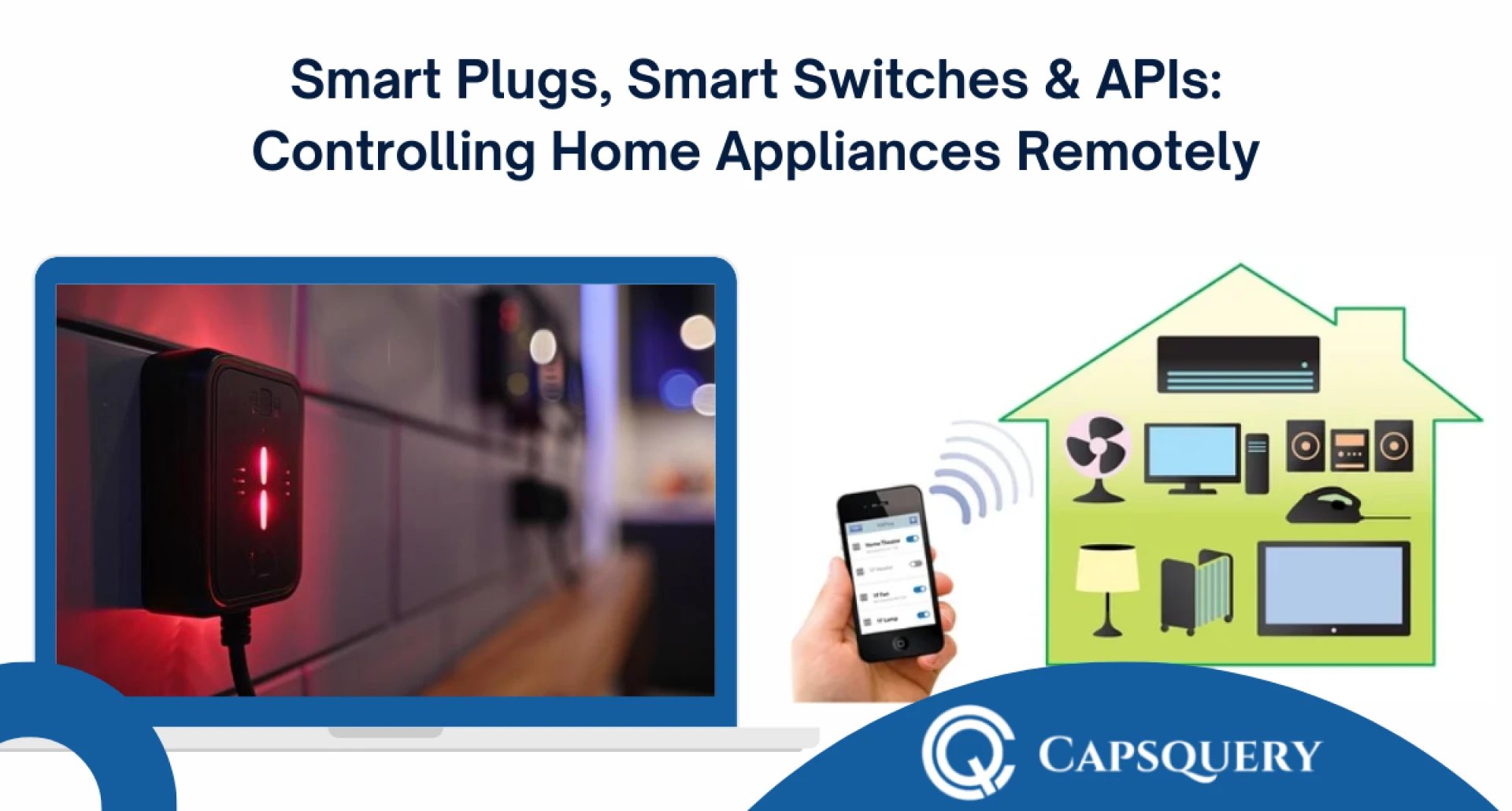
Smart plugs and smart switches are compact IoT devices designed to give you control over electrical appliances without rewiring your entire home.
Smart plugs are plug-and-play devices. You insert them into an outlet, then plug your appliance into the smart plug.
Smart switches, on the other hand easily replace traditional wall switches and provide direct control over lights or wired appliances.
Both options support remote appliance control using APIs, enabling users to manage power from mobile apps, web dashboards, or third-party systems.
Key differences at a glance:
- Smart plugs work best for portable devices
- Smart switches are ideal for fixed lighting systems
- Both rely on APIs for automation and remote access
Why APIs Matter in Smart Home Control
An API (Application Programming Interface) allows different systems to communicate with each other. In smart homes, APIs are what let your devices talk to apps, cloud platforms, and automation engines.
Without APIs:
- You’d be limited to basic on/off control
- Integrations with voice assistants wouldn’t exist
- Custom automation would be nearly impossible
With APIs:
- Developers can build dashboards
- Businesses can monitor energy usage
- Homeowners can automate routines with precision
This is why API-enabled smart home devices are far more powerful than standard connected gadgets.
How Smart Plugs and Switches Use APIs
Smart plugs and even switches typically interact through a cloud or through a local API.
Cloud APIs
These APIs connect devices to remote servers, allowing control from anywhere with an internet connection.
Benefits:
- Access from anywhere
- Easy integration with third-party platforms
- Regular firmware updates
Local APIs
Local APIs allow devices to communicate within the home network.
Benefits:
- Quick response time of the device.
- Works even if the internet goes down
- More privacy-focused setups
Many modern systems support both, offering flexibility depending on user needs.
Real-World Applications of Smart Plugs and Smart Switch APIs
1. Remote Power Management
By using smart switches with cloud APIs, users can turn appliances on or off even while traveling and ensuring nothing is left running unnecessarily.
2. Energy Monitoring
Some smart plugs track real-time energy usage, exposing that data through APIs. This makes it easy to build dashboards that show consumption trends and reduce waste.
3. Custom Automation
With home automation APIs for smart plugs , routines can be built around schedules, triggers, or external data like weather and occupancy.
Smart Home Automation Beyond Mobile Apps
Most users start with mobile apps, but APIs unlock deeper control.
Examples include:
- Web-based control panels
- Integration with ERP systems for commercial buildings
- Custom voice control solutions
- AI-based energy optimization tools
This is especially useful in larger properties and tech-driven homes across smart home automation solutions in Houston residential setups, where centralized control becomes essential.
Security Considerations When Using Smart Home APIs
Security is a legitimate concern with connected devices.
Best practices include:
- Using encrypted API communication
- Rotating API keys regularly
- Limiting permissions to essential functions
- Choosing vendors with transparent security policies
For businesses deploying IoT smart plugs for remote appliance control, API security is not optional—it’s a requirement.
Smart Plugs vs Smart Switches: Which One Should You Choose?
The choice depends on your use case.
Choose Smart Plugs if:
- You rent your space more often.
- You want a user friendly setup.
- You need a portable control device.
Choose Smart Switches if:
- You own the property
- You want permanent automation
- You manage lighting circuits
Both options benefit equally from remote control of home appliances via API, making the decision more about physical setup than software capability.
APIs and Voice Assistants: How They Work Together
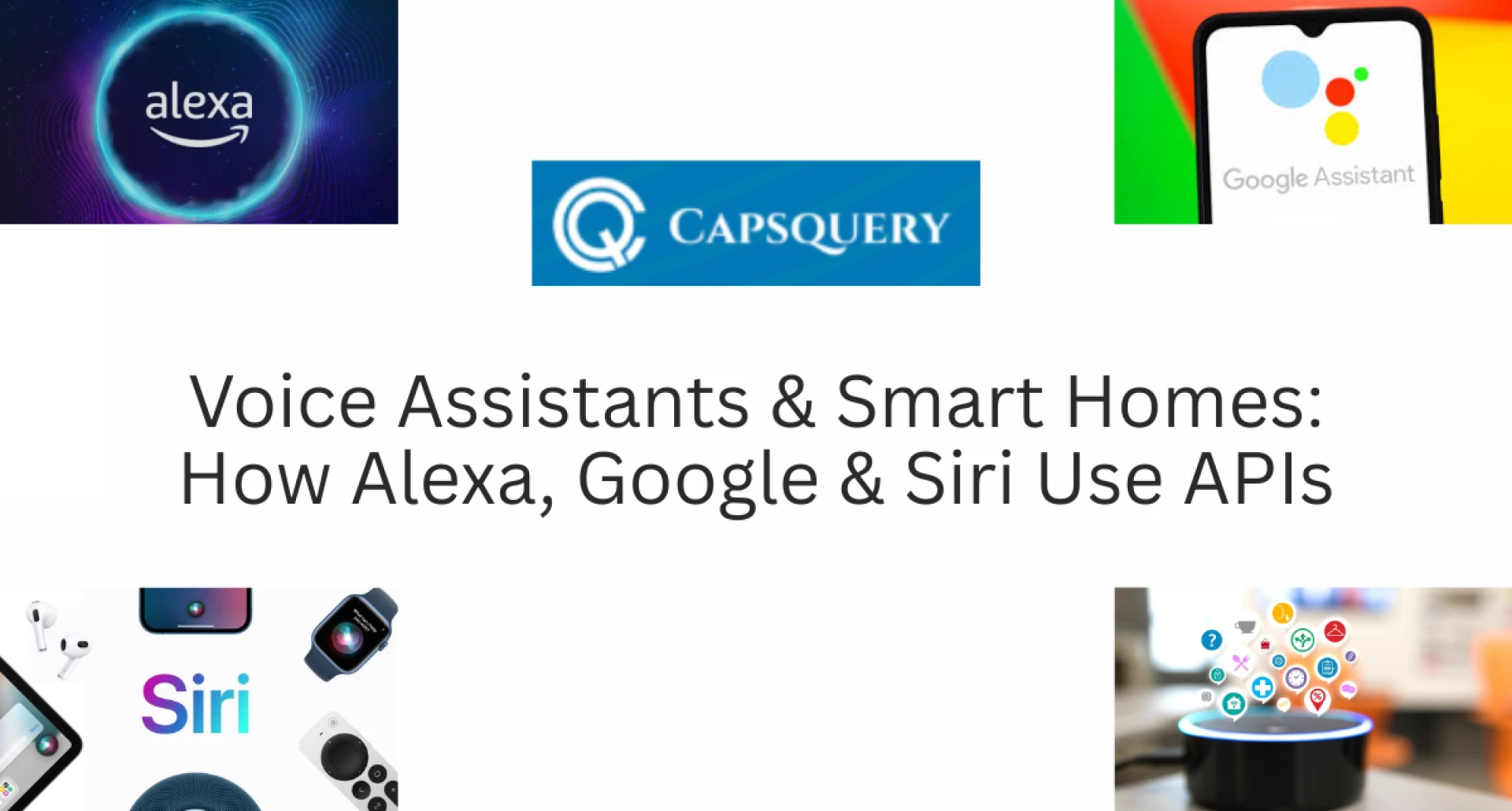
Voice assistants don’t talk directly to your appliances . Instead, they interact with APIs of your device .
The process:
- Voice command is captured
- Command is sent to a cloud service
- API translates it into device action
- Device executes the command
This seamless flow is why smart plugs with API integration feel instant and intuitive.
Commercial and Enterprise Use Cases
Smart plugs and switches aren’t limited to homes.
Businesses use them to:
- Control office equipment
- Monitor energy usage
- Automate signage and displays
- Manage retail lighting schedules
In tech-driven offices adopting API-driven smart switches for businesses, automation reduces operational overhead while improving efficiency.
Custom Development Using Smart Device APIs
Most of the developers prefer smart device APIs because they have a flexible behaviour .
You can:
- Build custom mobile apps
- Create automation rules
- Integrate with analytics platforms
- Connect devices to AI systems
This flexibility is especially valuable in innovation-focused environments like connected home devices with APIs in Cupertino tech homes, where experimentation drives adoption.
Energy Efficiency and Sustainability
Smart plugs and switches contribute directly to sustainability goals.
APIs make it possible to:
- Track usage patterns
- Automatically shut down idle devices
- Optimize peak energy consumption
- Reduce carbon footprint
When deployed thoughtfully in energy-efficient smart homes in Dallas suburbs, the savings compound over time.
The Role of APIs in Smart Grid Integration
Smart homes don’t exist in isolation anymore.
APIs allow smart devices to interact with:
- Utility providers
- Smart meters
- Demand-response systems
This enables homes equipped with API-based smart plug solutions in Texas smart residences to participate in broader energy optimization programs.
Future Trends in Smart Plugs, Switches, and APIs
The future is moving fast.
Expected trends include:
- More local-first API models
- AI-powered automation
- Improved interoperability standards
- Greater focus on privacy
- Smarter energy prediction models
As APIs mature, smart devices will feel less like gadgets and more like invisible infrastructure.
Challenges to Be Aware Of
Despite the benefits, there are challenges:
- Vendor lock-in
- Inconsistent API documentation
- Firmware update dependencies
Choosing devices with open well-documented APIs minimizes risks completely.
How to Get Started with Smart Plug and Switch APIs
A practical starting path:
- Identify appliances you want to automate
- Choose devices with documented APIs
- Decide between cloud or local control
- Test with basic automation
- Expand into custom workflows
Once you experience remote control of home appliances via API, manual switches start to feel outdated.
Final Thoughts
Smart plugs and smart switches are no longer just convenience tools—they are gateways to intelligent living. APIs are what turn simple hardware into adaptable systems that grow with your needs. Whether you are optimizing energy or building custom automation or even managing multiple devices remotely, the combination of smart hardware and APIs offers unmatched control and flexibility.
FAQs
1. How do smart plugs use APIs to control appliances remotely?
Smart plugs depends on the APIs to receive commands from apps or platforms and translate them into power actions, allowing real-time remote control.
2. Are smart switches better than smart plugs for long-term automation?
Smart switches are more permanent and better for lighting circuits, while smart plugs offer flexibility for movable appliances.
3. Can I control smart plugs without an internet connection?
Yes definately , if the device supports local APIs then control can continue within your home network even during internet outages.
4. Are smart home APIs secure to use?
When implemented correctly with encryption and access controls, smart home APIs are considered safe and reliable.
5. Do smart plugs help reduce electricity bills?
Yes by tracking the usage and shutting down the idle devices automatically, smart plugs can significantly reduce the wasted energy in a long run.
6. Can businesses use smart switches with APIs?
Absolutely. Many offices use API-enabled switches for centralized control, scheduling, and energy optimization.
7. Is it difficult to build custom automation using smart device APIs?
Basic automation is beginner-friendly, while advanced workflows may require some technical knowledge—but the flexibility is worth it.

























Sign in to leave a comment.