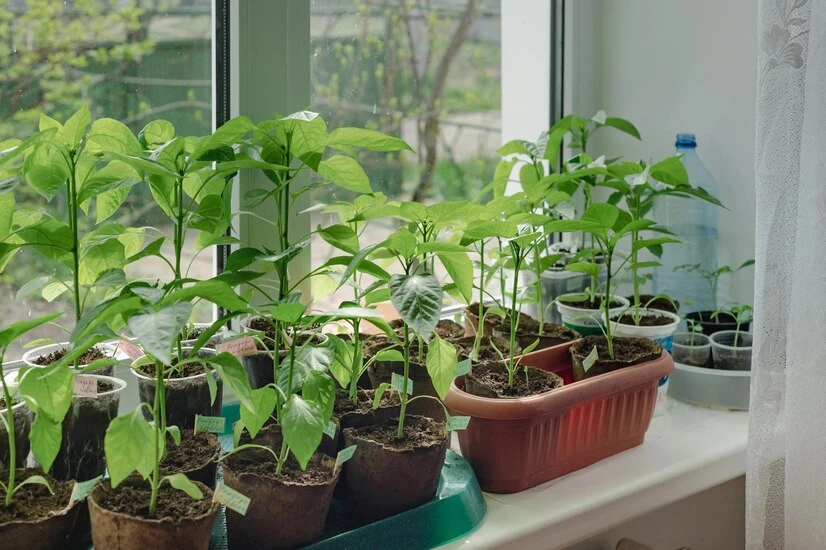

Growing your own vegetables on the terrace is becoming popular in many Indian homes. With limited space in cities, a terrace garden gives you a simple way to enjoy fresh, chemical free produce right at home. Whether you are a beginner or someone who already loves gardening, the right approach can help you create a productive green space. Here is an easy to read and practical guide using helpful terrace vegetable garden ideas in India to get you started.
Why a Terrace Vegetable Garden Is a Great Choice
A terrace garden not only brings greenery to your home but also encourages a healthier lifestyle. You get fresh vegetables, spend more time outdoors and use your free space in a useful way. It also helps reduce heat on the roof and supports a more sustainable way of living.
1. Understand Your Terrace Space
Before you start planting, spend some time observing your terrace.
Check how much sunlight your terrace receives daily. Most vegetables need four to six hours of sunlight. If your terrace gets very strong afternoon heat, use shade nets to protect the plants. Make sure the surface is strong enough to hold pots, soil and water.
2. Choose the Right Containers
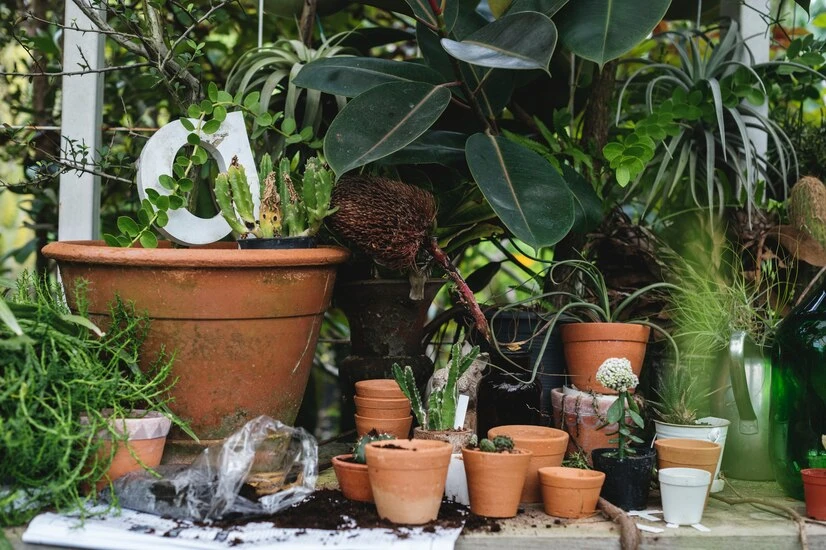
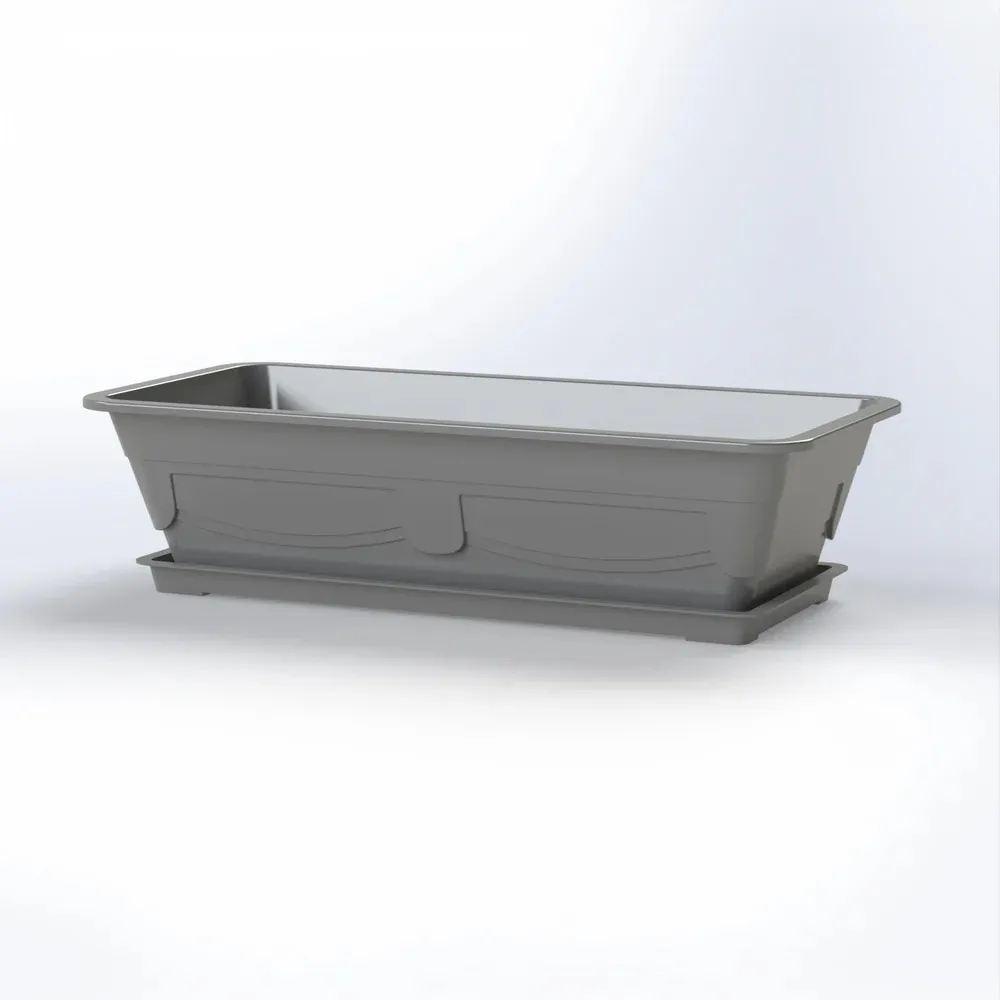
Container gardening works best for terrace spaces. You can use clay pots, grow bags, plastic planters or even recycled buckets. Grow bags are very common in India because they are lightweight and easy to move. Choose containers with proper drainage holes so that extra water can flow out.
For deep rooted vegetables like tomatoes and brinjal, larger containers are better. For leafy vegetables like spinach, coriander and lettuce, shallow containers are enough.
3. Use a Good Soil Mix
Healthy plants start with healthy soil. For terrace gardening, a light and well draining mix works best.
A simple mix you can prepare at home is:
- 40% garden soil
- 40% compost or cow dung manure
- 20% coco peat
This mix keeps the soil airy and helps roots grow well. Add organic compost every two to three weeks to keep the soil fertile.
4. Pick Vegetables Suitable for Indian Climate
When it comes to terrace vegetable garden ideas in India, choosing plants that match the climate is important. Some easy options for beginners are:
- Tomatoes
- Green chillies
- Brinjal
- Ladyfinger
- Beans
- Bottle gourd
- Spinach
- Coriander
- Methi
- Curry leaves
Start with a few plants and later add more as you gain confidence.
5. Water Smartly
Most terrace gardens fail due to overwatering or underwatering. Water your plants early in the morning so they stay hydrated throughout the day. During hot summers, you may need to water twice. Make sure the containers drain well so water does not collect at the bottom.
You can also install a simple drip irrigation system if you want to save time and water.
6. Add Organic Fertilizers Regularly
To keep your terrace garden productive, feed your plants natural nutrients. Compost, vermicompost, cow dung manure and bioenzymes work really well.
Every fifteen days, add a small handful of compost to each container and mix it lightly with the soil. This keeps plants healthy and boosts flowering and fruiting.
7. Manage Pests the Natural Way
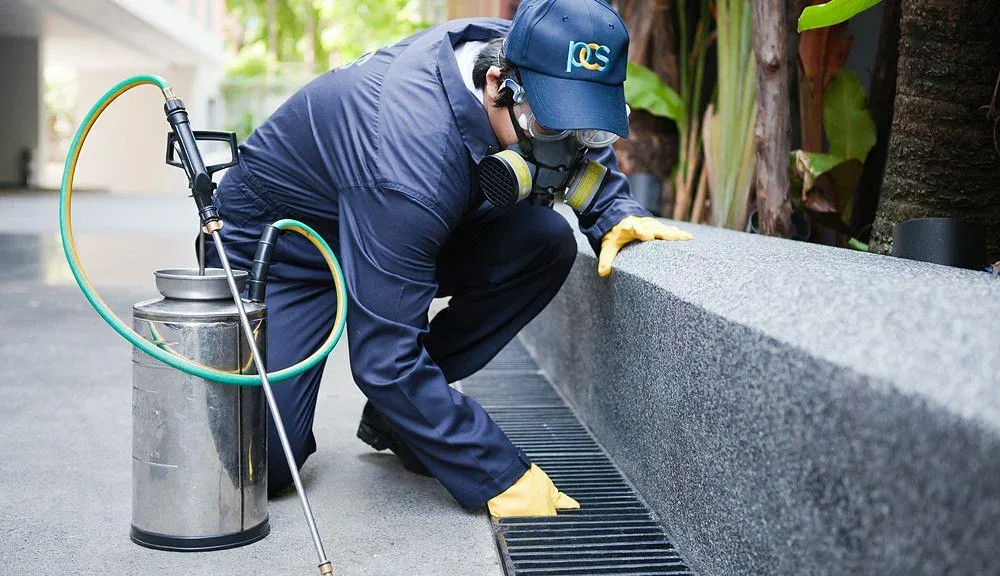
Terrace gardens attract fewer pests than open gardens, but it is good to be prepared. Common pests include aphids, mites and caterpillars.
You can control them with simple natural methods like:
- Neem oil spray
- Soap water spray
- Garlic and chilli spray
Avoid chemical pesticides, especially if you plan to eat your vegetables fresh.
8. Support Climbing and Heavy Plants
Vegetables like tomatoes, beans and gourds need support to grow upward. Use bamboo sticks, nets or simple ropes to guide them. Climbing plants save space and also give your terrace a beautiful green look.
9. Plan Your Garden Layout
Arrange taller plants near the walls so they do not block sunlight for shorter plants. Keep leafy vegetables in one area and fruiting vegetables in another. This makes watering and maintenance easier. If your terrace is large, you can even create separate zones for herbs and flowers.
10. Keep It Clean and Safe
Make sure water does not leak onto the floor below. Use trays under pots to collect extra water. Clean your terrace regularly and remove dried leaves. A clean garden attracts fewer pests and stays healthy.
FAQs
1. Can I start a terrace vegetable garden if my terrace gets less sunlight?
Yes, you can grow leafy vegetables like spinach, methi, lettuce and coriander as they need less sunlight. You can also use reflective sheets to brighten the space.
2. Do terrace gardens damage the building?
If proper waterproofing and drainage are done, terrace gardens are safe. Use trays under pots to prevent water collection.
3. Which vegetables are easiest for beginners?
Spinach, coriander, tomatoes, green chillies and ladyfinger are great beginner friendly choices.
4. How often should I add fertilizers?
Adding compost every fifteen days keeps the soil healthy and plants productive.
5. Can I grow vegetables all year in India?
Yes. India has diverse seasons, and you can grow different vegetables in each season. Summer, monsoon and winter each have suitable plant options.
A terrace garden is one of the simplest ways to bring nature into your home. With these practical terrace vegetable garden ideas in India, you can enjoy fresh homegrown vegetables and a peaceful green corner right on your terrace. If you want, I can also help you write a shorter version or turn this into a YouTube script.




















Sign in to leave a comment.