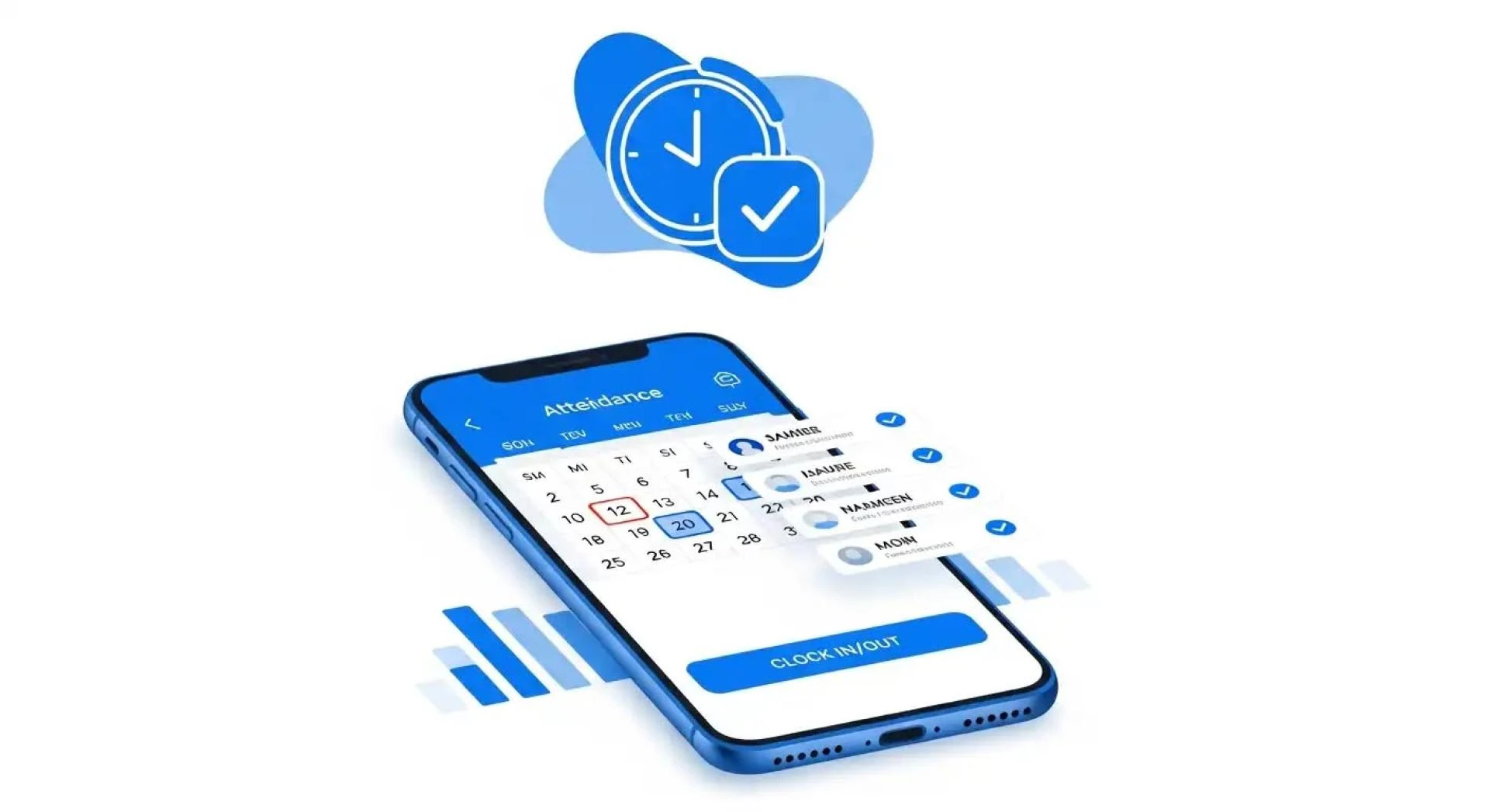

In today’s fast-paced business environment, managing employees effectively goes beyond hiring the right talent. Companies are realizing that productivity and growth depend significantly on how well they monitor and manage employee attendance. Poor attendance management can lead to inefficiencies, payroll errors, and even compliance issues. That’s why organizations of all sizes—from small startups to large enterprises—are turning toward digital solutions to track time, attendance, and workforce performance.
One of the most efficient tools that have emerged in recent years is attendance tracking software. This digital solution helps employers streamline workforce management while reducing errors and ensuring transparency. But with so many options available, how do you identify the best attendance tracking software for your organization? Let’s explore.
Why Attendance Tracking Matters
Attendance management isn’t just about knowing who showed up at work and who didn’t. It directly impacts payroll accuracy, productivity measurement, and workforce planning. Traditionally, companies relied on manual registers, punch cards, or spreadsheets. While these methods were functional in the past, they are prone to human errors, manipulation, and delays in data processing.
Modern businesses need accuracy, real-time updates, and automation. Digital attendance tracking ensures that every clock-in and clock-out is recorded correctly, leaves are managed transparently, and productivity reports can be generated instantly. With these systems, HR departments save countless hours of manual work, allowing them to focus on more strategic tasks like employee engagement and retention.
Key Features of Modern Attendance Tracking Software
When choosing a solution, it’s important to understand what makes an attendance system effective. The best attendance tracking software often includes features like:
- Automated Clock-In and Clock-Out
- Employees can log their attendance through biometric devices, mobile apps, or web portals. This eliminates the need for manual inputs and reduces fraud.
- Leave and Absence Management
- The software should allow employees to apply for leave digitally and let managers approve or reject requests instantly.
- Integration with Payroll
- A strong attendance tool should integrate seamlessly with payroll systems, ensuring salaries are calculated based on accurate work hours.
- Mobile Accessibility
- In an era of remote and hybrid work, mobile-friendly solutions allow employees to mark attendance even when working from home or in the field.
- Real-Time Analytics
- Reporting and analytics help employers identify trends such as frequent absenteeism, overtime, or workload imbalances.
Benefits of Using Attendance Tracking Software
Businesses that adopt automated attendance management systems see multiple benefits:
- Reduced Administrative Workload: HR teams no longer need to chase paper timesheets or calculate hours manually.
- Improved Accuracy: Automated systems minimize errors in tracking hours, overtime, and leaves.
- Enhanced Employee Trust: Transparency in attendance and payroll builds trust between employers and employees.
- Cost Savings: By reducing payroll errors and preventing time theft, companies save money in the long run.
- Regulatory Compliance: Many industries have strict labor laws, and attendance software helps ensure compliance by maintaining accurate records.
Choosing the Right Software for Your Organization
Selecting the right tool requires careful evaluation. Factors such as company size, workforce type (on-site, remote, or hybrid), and budget play a big role. For instance, a small business with fewer than 50 employees may prefer a lightweight, cost-effective tool, while a multinational corporation would require a scalable system with advanced analytics and integrations.
It’s also important to consider user experience. A complicated system can frustrate employees and managers, defeating its purpose. Look for software that offers a clean interface, reliable support, and easy onboarding.
Future Trends in Attendance Management
As workplace technology evolves, attendance tracking is also set to advance. Here are some trends shaping the future:
- AI and Machine Learning: Predictive analytics can identify attendance patterns and suggest workforce optimization strategies.
- Facial Recognition and Biometrics: Advanced biometric tools provide more secure and reliable clock-in systems.
- Cloud-Based Solutions: Cloud platforms ensure real-time access from anywhere in the world.
- Integration with Productivity Tools: Attendance data will increasingly be integrated with project management and collaboration platforms for a holistic view of workforce performance.
Final Thoughts
Attendance tracking has moved far beyond manual registers and spreadsheets. With modern software, businesses can enjoy seamless operations, better compliance, and happier employees. Whether you’re running a startup or a multinational enterprise, implementing the right digital solution can transform the way you manage your workforce.
Investing in smart attendance solutions is no longer a luxury but a necessity in today’s competitive business world. The key is to choose a system that aligns with your organizational goals, supports remote and on-site employees, and scales with your business growth. By doing so, you’ll not only save time and money but also unlock new levels of productivity and efficiency.




























Sign in to leave a comment.