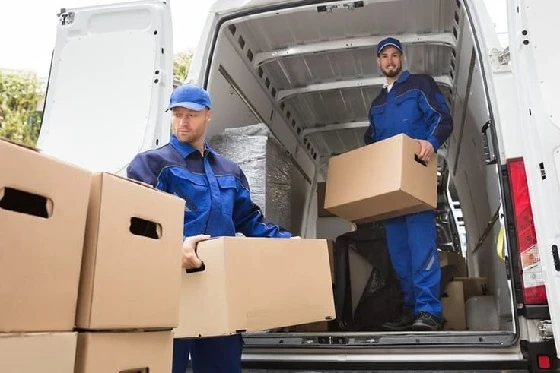

Relocating across cities, states, or even countries is a complex task that requires more than just packing up belongings and hitting the road. Long distance moving and storage involves logistical planning, emotional preparedness, and practical execution. Whether you’re moving for work, family, education, or a lifestyle change, the process demands thoughtful organization and strategic decision-making to ensure a smooth transition.
Understanding Long Distance Moves
A long-distance move typically refers to a relocation that crosses state lines or covers a substantial number of miles, often over 400 miles. These moves can be domestic or international and often involve transporting large volumes of personal belongings. Unlike local moves, they require meticulous attention to transportation logistics, timing, and storage solutions.
The complexity of a long-distance move lies in several factors: the volume of goods, the distance, the route, the weather, and regulatory issues (especially for international moves). It’s not uncommon for individuals and families to underestimate the scope of what needs to be done.
Planning Ahead Is Key
The cornerstone of a successful move is early planning. Ideally, you should start organizing your relocation 8–12 weeks in advance. The earlier you start, the better you can manage timelines, reduce stress, and cut down on last-minute expenses.
Here are a few essentials to consider early in the process:
- Create a moving checklist: Track everything from packing, address changes, to utility transfers.
- Set a budget: Include transportation, lodging, meals, fuel, packing materials, insurance, and potential storage fees.
- Take inventory: Record items to be moved and assess what needs to be donated, sold, or discarded.
- Research moving options: Whether you hire professional movers or rent a truck, evaluate costs and reputations thoroughly.
The Role of Storage in Long Distance Moves
Storage is a critical part of Cross-country relocation services, especially when there’s a delay between moving out and settling into the new location. It offers flexibility when you:
- Need temporary housing before finding a permanent residence.
- Are moving into a smaller space and require downsizing.
- Want to avoid rushing your unpacking process.
- Need to stage your current home for sale.
There are generally two types of storage options: self-storage units and portable storage containers. Each has its advantages depending on access needs, duration, and budget. Some moving companies also offer integrated storage solutions as part of a full-service move.
When choosing storage, consider:
- Climate control: To protect sensitive items from humidity and temperature fluctuations.
- Security features: Look for surveillance cameras, gated access, and insurance options.
- Access hours: Ensure the facility offers convenient access times.
- Location: Choose a location that balances proximity and cost.
Downsizing and Decluttering
One of the most beneficial steps before a long-distance move is decluttering. The more you move, the more it costs—not just in money but also in time and effort. Evaluate each item by asking:
- Do I use this regularly?
- Is it replaceable at a reasonable cost?
- Does it have sentimental or monetary value?
Sell items you don’t need through online marketplaces, donate them to local charities, or organize a garage sale. Downsizing will not only lower your moving costs but also help you start fresh in your new home.
Packing Smart for the Long Haul
Packing for a long-distance move is not just about placing items into boxes—it’s about protecting them for a potentially rough ride. Here are key strategies to pack efficiently:
- Use high-quality materials: Invest in sturdy boxes, bubble wrap, packing tape, and specialty containers for electronics or fragile items.
- Label everything: Clearly mark boxes with room names and brief descriptions of contents. Use color-coded labels for quicker sorting.
- Pack an essentials kit: Include items like toiletries, chargers, basic kitchenware, medication, and a few changes of clothes.
- Disassemble furniture: Where possible, disassemble large items to save space and reduce the risk of damage.
- Protect valuables: Carry important documents, jewelry, and sentimental keepsakes with you personally.
Hiring Professional Movers vs. DIY
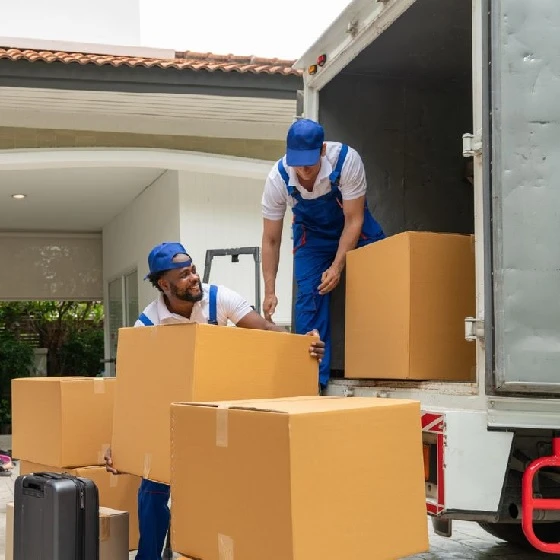
When considering a long-distance move, one of the first decisions you’ll make is whether to hire professional movers or manage the move yourself. Each option has its pros and cons.
Professional Movers
Pros:
- Reduced physical stress and risk of injury
- Expertise in packing and logistics
- Liability coverage and insurance options
- Time-saving and convenient
Cons:
- Higher upfront cost
- Less control over exact timing
DIY Move
Pros:
- Lower costs if planned well
- Full control over packing and timing
- Flexibility in route and stops
Cons:
- Requires significant time and effort
- Potential for injury or damageHidden costs like fuel, lodging, or equipment rentals
For many, the peace of mind and efficiency offered by professionals justifies the extra expense, especially when moving across long distances.
Ming and Scheduling
The time of year, week, or even day can influence the cost and ease of your move. Summer is the peak moving season, which means higher prices and limited availability. If possible, plan your move during the off-season (late fall or winter) for better rates and flexible scheduling.
Mid-week and mid-month moves also tend to be less expensive and less chaotic than weekend or month-end relocations.
Staying Organized During the Move
Organization shouldn’t stop once the moving truck arrives. Keeping essential documents (contracts, IDs, insurance, moving checklists) in one place can prevent headaches down the road. Maintain communication with your movers, especially if your move involves multiple stages or cross-country routes.
Keep a notebook or digital document to track:
- Box numbers and contents
- Moving expenses for tax purposes
- Contact information of your movers
- Storage unit details if applicable
Settling In at Your New Location
Arriving at your new home marks the start of a fresh chapter. While the stress of the move may be behind you, setting up your new space requires just as much attention. Prioritize setting up the bedroom, bathroom, and kitchen first so you can function smoothly from day one.
Take your time to unpack in stages rather than rushing the process. Remember, settling in is more than just arranging furniture—it’s about adjusting to a new neighborhood, updating documents, and getting emotionally comfortable with your surroundings.
Common Mistakes to Avoid
Avoid these common pitfalls when managing a long-distance move:
- Underestimating costs: Unexpected expenses add up quickly.
- Poor packing: Leads to broken items and wasted space.
- Lack of insurance: Accidents happen—even with professionals.
- Failing to research movers: Not all companies are licensed or reliable.
- Overpacking: Brings unnecessary items and added costs.
Being proactive and aware can save both money and stress.
Relocating far from your current home may seem overwhelming, but with the right approach, tools, and mindset, you can make the journey smoother. Prioritizing preparation, embracing flexibility, and understanding your storage and moving options will go a long way in ensuring success.
Whether you’re moving for opportunity, adventure, or necessity, investing the time to organize your move carefully can make the transition more manageable—and even enjoyable. Take advantage of professional resources where needed, but don’t overlook the power of smart personal planning. When it comes to ensuring a seamless relocation experience from start to finish, long distance moving and storage solutions play a critical role in providing both convenience and peace of mind. For dependable support throughout your journey, trust the experience of Excalibur Movers.




























Sign in to leave a comment.