

Recovery from addiction is not only about staying away from drugs or alcohol. It is also about building a better and healthier life. Many people need support, structure, and guidance after completing a treatment program. This is where a sober living facility can help. These homes provide a safe and supportive place where individuals can continue their recovery journey while learning important life skills.
A sober living facility gives people the chance to rebuild their confidence, improve their daily habits, and focus on long-term recovery. The services offered in these homes are designed to support both recovery and personal growth in a comfortable and positive environment.
Safe and Drug-Free Living Environment
One of the most important services offered by a sober living facility is a safe and substance-free environment. Living in a place free from drugs and alcohol helps residents avoid triggers and stay focused on recovery.
Many people returning from rehab may feel nervous about going back to their old surroundings. Stress, unhealthy friendships, or negative habits can increase the risk of relapse. A sober living home creates a stable setting where residents can heal without these pressures.
These facilities often have house rules that encourage accountability and responsibility. Residents are expected to remain sober, follow schedules, and respect the shared living space. This structure helps create healthy daily routines that support recovery.
Peer Support and Community Connection
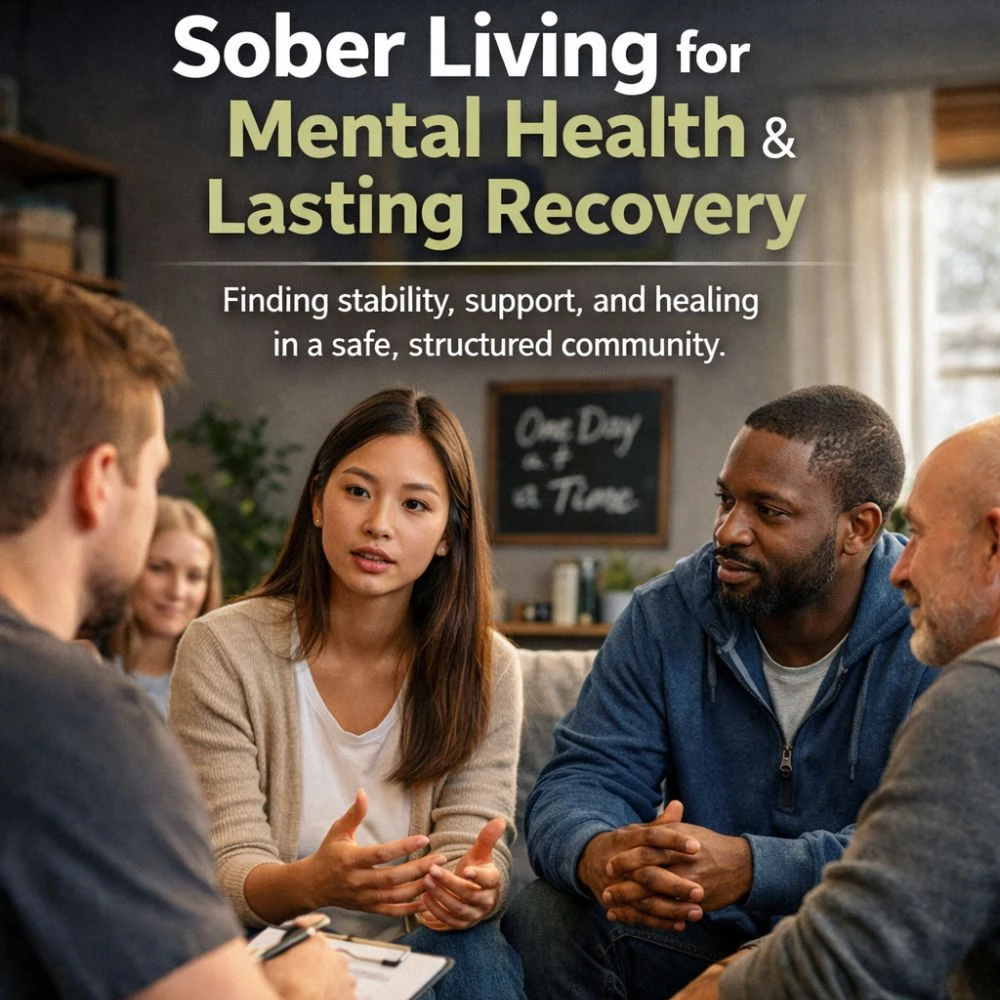
Recovery can feel lonely without the right support system. Sober living facilities bring together people who are working toward similar goals. Living with others in recovery creates a strong sense of community and understanding.
Residents can share experiences, encourage each other, and celebrate progress together. Peer support can make a big difference during difficult moments. Knowing that others understand the challenges of recovery helps reduce feelings of isolation.
Group activities, shared meals, and house meetings also help residents build healthy relationships. These positive social connections support emotional healing and personal growth.
Accountability and Daily Structure
Having structure in daily life is very important during recovery. Many sober living facilities provide routines that help residents stay focused and productive.
This may include:
- Curfews
- Chores and responsibilities
- Attendance at recovery meetings
- Regular drug or alcohol testing
- Goal-setting activities
These routines teach discipline and accountability. Over time, residents learn how to manage their schedules, make healthy decisions, and stay committed to recovery goals.
Structure also helps reduce stress and confusion. A stable daily routine can improve mental health and create a stronger sense of purpose.
Access to Recovery Meetings and Programs
Most sober living facilities encourage residents to attend support groups and recovery meetings regularly. These may include 12-step meetings, group counseling, or other recovery programs.
Attending meetings allows individuals to continue learning about addiction, recovery, and coping strategies. It also helps them stay connected to a recovery community outside the home.
Some facilities may also provide access to recovery coaches, therapists, or case managers who offer additional guidance and support. These services help residents continue their personal growth while working toward independence.
Life Skills Development
Personal growth is an important part of long-term recovery. Many people entering sober living may need help rebuilding life skills that were affected by addiction.
Sober living facilities often help residents improve skills such as:
- Time management
- Budgeting and financial planning
- Job searching and interview preparation
- Communication skills
- Healthy conflict resolution
- Cooking and self-care routines
Learning these skills helps residents become more confident and independent. It also prepares them for a successful transition back into everyday life.
Developing healthy habits and practical skills can improve both emotional well-being and long-term stability.
Support for Employment and Education
Finding work or continuing education is often a major step in recovery. Many sober living facilities encourage residents to focus on career and educational goals.
Some homes provide job search assistance, resume support, or transportation help. Others may guide residents toward local educational programs or vocational training opportunities.
Having a job or attending school can build confidence and provide a sense of purpose. It also helps residents create a stable future and become financially independent.
Working toward personal goals gives people motivation to stay sober and continue improving their lives.
Emotional and Mental Health Support
Recovery involves emotional healing as well as physical healing. Many individuals in recovery struggle with stress, anxiety, depression, or past trauma. Sober living facilities often encourage residents to continue therapy or counseling during their stay.
Emotional support services can help residents:
- Manage stress in healthy ways
- Improve self-esteem
- Build confidence
- Learn coping skills
- Develop healthy emotional habits
A supportive environment can make it easier for residents to talk openly about their struggles and seek help when needed.
Mental and emotional wellness are important parts of personal growth and long-term recovery success.
Encouraging Healthy Lifestyle Choices
Sober living facilities also encourage healthier lifestyles overall. Residents are often guided toward positive habits that improve both physical and mental well-being.
This may include:
- Regular exercise
- Healthy eating
- Better sleep routines
- Mindfulness or meditation practices
- Recreational activities
Healthy habits can improve mood, reduce stress, and increase energy levels. These small lifestyle changes can have a powerful impact on recovery and personal development.
Building Confidence for Independent Living
The main goal of a sober living facility is to help residents prepare for independent and sober living. Over time, residents learn how to manage responsibilities, handle challenges, and make healthy choices on their own.
As confidence grows, many individuals begin to rebuild relationships, achieve personal goals, and create a stronger future for themselves.
Recovery is a journey that takes time, patience, and support. A sober living facility provides the structure, encouragement, and services needed to help people move forward with confidence and hope.
Final Thoughts
Sober living facility services play an important role in supporting recovery and personal growth. These homes provide safety, accountability, community support, and valuable life skills that help residents build healthier and more stable lives.
With the right environment and ongoing support, individuals in recovery can develop confidence, improve their daily habits, and work toward a brighter future. Sober living is not just about staying sober. It is about creating a meaningful life filled with growth, stability, and positive change.





























Sign in to leave a comment.