
As cities, businesses, residential communities, and infrastructure planners look for practical ways to reduce energy consumption, outdoor lighting has become an important area for improvement. Street lighting can operate for many hours each night, creating a continuous demand for electricity from the power grid.
Solar street lights offer a potential solution by generating electricity from sunlight during the day and storing it in batteries for use after sunset. Unlike conventional streetlights that typically depend on grid electricity, solar-powered systems can operate independently when properly designed and installed.
But can they genuinely reduce dependence on grid power? In many applications, the answer is yes. However, the extent of that reduction depends on factors such as sunlight availability, system design, battery capacity, lighting requirements, and local conditions.
How Solar Street Lights Work
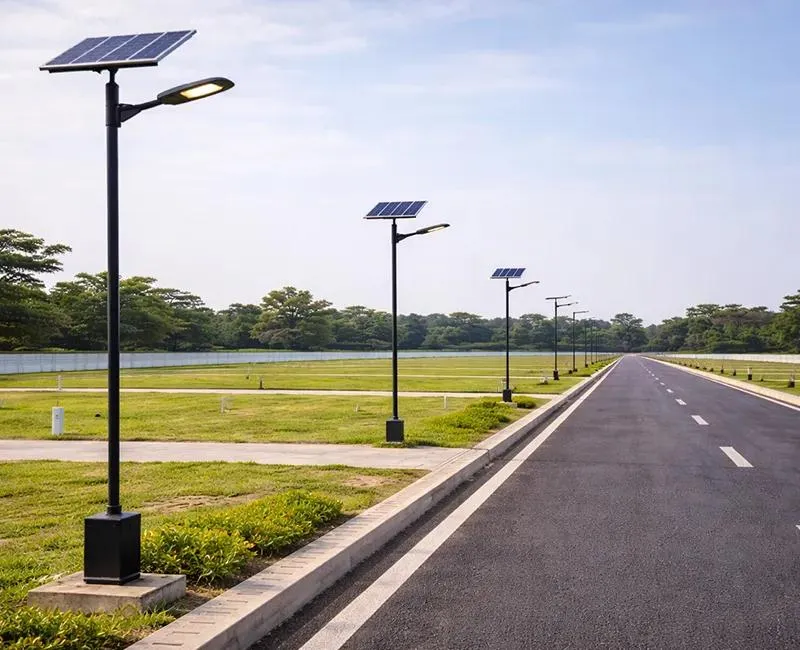
A typical solar street lighting system consists of a solar panel, LED light fixture, rechargeable battery, charge controller, and supporting pole or mounting structure.
During daylight hours, the solar panel converts sunlight into electrical energy. The system stores that energy in a battery. Once the sun sets, the stored electricity powers the LED fixture, providing illumination throughout the required operating period.
Solar Energy Replaces Grid Electricity
The main difference between conventional and solar-powered street lighting is the source of electricity. A traditional streetlight receives power through an electrical grid connection, while a standalone solar system generates its own electricity.
This means off-grid solar street lights can operate without drawing electricity from the grid under normal conditions. For suitable locations, this can significantly reduce the amount of grid power required for outdoor lighting.
How Much Grid Power Can Be Reduced?
The potential reduction depends on the type of system being installed.
A fully standalone solar street light can eliminate routine grid electricity consumption for that individual lighting point. Instead, the fixture relies on solar generation and battery storage.
Grid-connected or hybrid systems may still use electricity from the grid when solar energy is insufficient. These configurations can be useful in locations with challenging weather conditions or unusually high lighting requirements.
Location Matters
Solar performance varies considerably from one location to another. A region with strong year-round sunlight can provide favorable conditions for solar lighting, while locations with prolonged cloudy periods may require larger panels, higher-capacity batteries, or supplemental power.
For this reason, anyone considering solar street lights for reducing electricity costs should evaluate local solar conditions rather than assuming that every system will deliver the same results.
LED Technology Makes Solar Lighting More Efficient
Solar power is only part of the equation. The efficiency of the lighting fixture also determines how effectively stored energy is used.
Modern LED technology consumes considerably less electricity than many older lighting technologies while providing strong illumination and long operating life. Combining LEDs with solar power creates a system designed around efficient energy generation and consumption.
Better Lighting With Less Energy
High-efficiency LED fixtures can provide targeted illumination while minimizing unnecessary energy use. Optical design is also important because a fixture should distribute light where it is needed rather than wasting illumination outside the roadway or pedestrian area.
For municipalities and businesses planning energy-efficient solar street lighting, selecting an appropriate LED fixture can be just as important as choosing the solar panel and battery.
Solar Street Lights Can Reduce Infrastructure Requirements
One significant advantage of standalone solar lighting is that individual fixtures do not necessarily require underground electrical cabling.
Traditional streetlight installation may involve trenching, wiring, electrical connections, and other infrastructure. Depending on the site, these requirements can add complexity and expense.
Standalone solar street lights can be installed in locations where extending grid infrastructure would be difficult or impractical. This makes them particularly useful for rural roads, pathways, parking areas, parks, remote facilities, and new developments.
However, solar lighting still requires proper structural installation, suitable foundations, and appropriate electrical components. Eliminating grid cabling does not eliminate the need for professional planning.
Battery Storage Is Critical
The ability of a solar street light to operate after sunset depends heavily on its battery. During the day, the battery stores energy generated by the solar panel. At night, it supplies that energy to the LED fixture.
Plan for Overnight Operation
A properly designed system should account for expected operating hours and periods when solar generation may be lower than normal.
Factors such as battery capacity, battery chemistry, temperature, charging efficiency, and expected lifespan should be considered when selecting equipment.
For solar street lights for long nighttime operation, system designers should also consider seasonal variations in daylight and weather. Oversizing or undersizing the battery can both create problems: insufficient capacity may cause lights to switch off prematurely, while excessive capacity can increase initial costs unnecessarily.
Smart Controls Can Improve Energy Management
Modern solar lighting systems may include motion sensors, dimming functions, timers, and adaptive lighting controls.
These technologies can reduce energy consumption by adjusting brightness according to activity. For example, a pedestrian pathway may operate at a lower illumination level during periods of low activity and increase brightness when movement is detected.
Use Controls According to the Location
Not every street requires the same lighting strategy. A busy urban road may need consistent illumination throughout the night, while a quiet pathway may benefit from adaptive controls.
When used appropriately, these features can extend battery runtime and improve the overall efficiency of smart solar street lights.
Are Solar Street Lights Always Better Than Grid Lighting?
Solar lighting has clear advantages, but it is not automatically the right solution for every application.
A site with heavy shading, limited sunlight, high illumination requirements, or unusually long operating hours may require a more complex design. In some situations, a hybrid system that combines solar generation with grid power can provide greater reliability.
Initial equipment costs can also be higher than those of basic conventional lighting. However, long-term evaluation should include energy consumption, electrical infrastructure, maintenance, battery replacement, and operating costs rather than focusing solely on purchase price.
Evaluate Total Cost of Ownership
A proper comparison should examine the expected life of the complete system. Reduced electricity consumption can contribute to long-term savings, particularly where grid electricity prices or infrastructure costs are significant.
For large projects, professional feasibility studies and lifecycle cost analysis can help determine whether solar lighting provides a practical financial advantage.
Where Solar Street Lights Work Particularly Well
Solar lighting can be a strong option for locations where reducing grid dependence is a priority. Common applications include:
- Rural roads and highways
- Residential communities
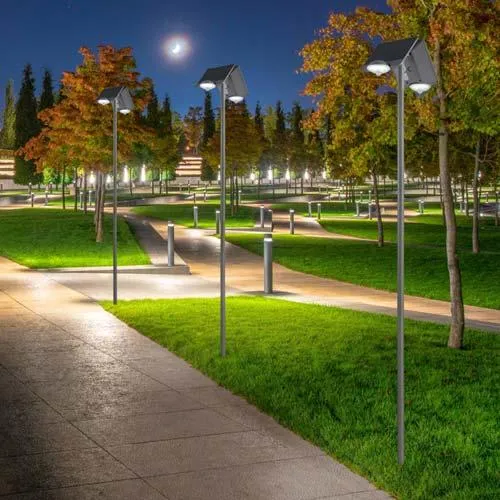
- Public parks and walking paths
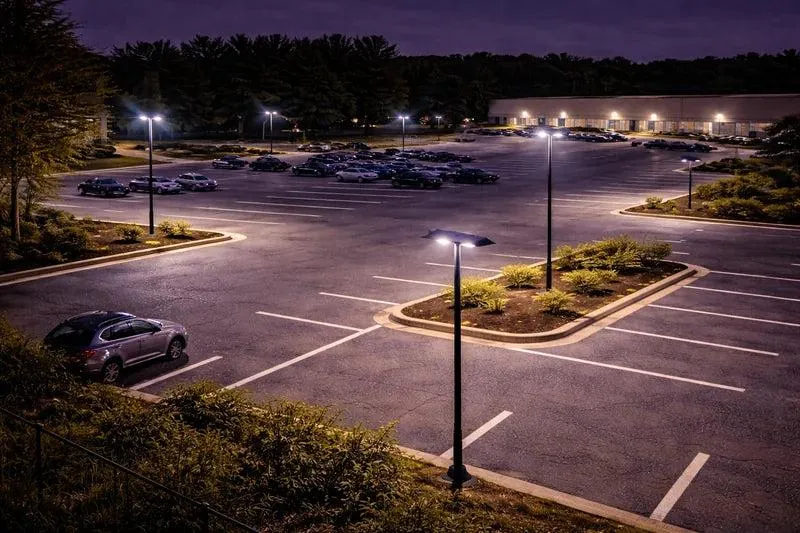
- Commercial parking areas
- Industrial sites
- School and institutional campuses
- Remote facilities
- New developments without existing electrical infrastructure
The suitability of solar lighting should always be determined through a site-specific assessment.
Final Thoughts
So, can solar street lights reduce dependence on grid power? Yes, when the system is properly designed for its location and operating requirements.
Standalone systems can generate and store their own electricity, potentially eliminating routine grid consumption for outdoor lighting. Efficient LEDs, suitable batteries, smart controls, and proper solar panel placement can further improve system performance.
However, solar street lighting is not simply a matter of installing a panel and lamp on a pole. Successful projects require careful consideration of sunlight availability, lighting requirements, battery capacity, seasonal conditions, maintenance, and total cost of ownership.
For communities and organizations seeking to reduce grid electricity use while maintaining dependable nighttime illumination, solar street lights can be a practical component of a broader energy-efficiency strategy.

























Sign in to leave a comment.