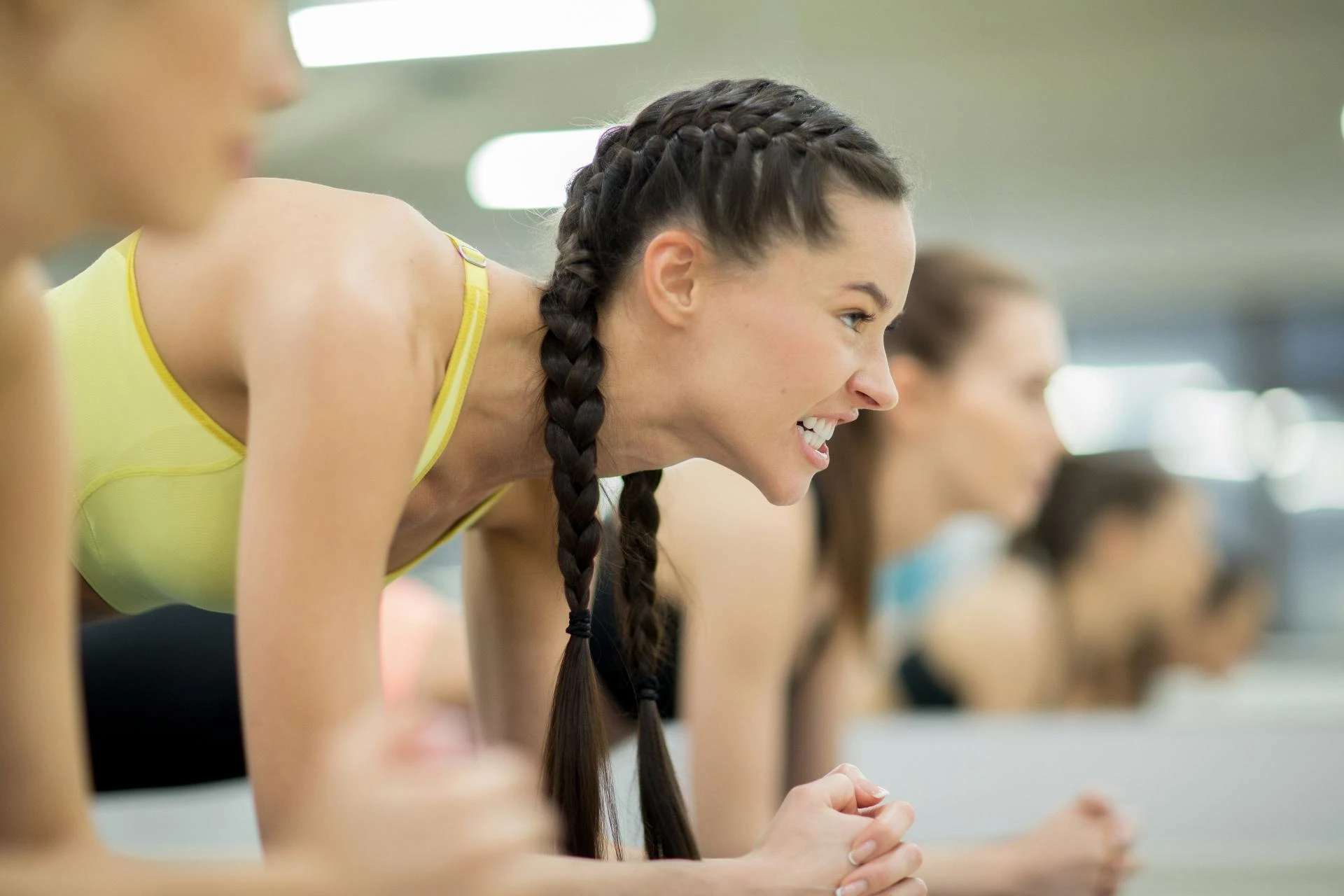

An effective junior athletics training programme needs elements beyond just rigid drills and demanding timetables. Youth athletes aged between 8 and 14 need both engagement and enjoyment to develop properly.
Training athletes to develop speed and endurance while building strength and agility requires more than mere repetition because athletes need a mix of challenge and play along with adequate support.
The mindset of junior athletes
Children are not just mini-adults. Attention spans and emotional maturity levels demonstrate significant differences between junior athletes and older athletes. Mentorship, peer support, and noticeable skill advancements enable junior athletes to achieve their best performance.
Teaching young athletes requires parents and coaches to employ both empathetic understanding and creative strategies. Every training session must have a defined purpose but also needs to incorporate diverse activities to keep participants interested. Repeating tasks without any variation leads to boredom, which can cause burnout or simply quitting.
This is the age group that aims to build foundational physical literacy: coordination, balance, agility, and speed. Athletic training develops skills that make athletes ready to succeed in any sport they decide to pursue.
Core principles of fun and effective training
- Keep sessions short and focused: Youth athletes perform better in training sessions that run for 45 to 60 minutes. Each session should be broken into segments. The session should begin with warm-up activities and then move to skill-based games before engaging in strength and conditioning exercises. The session should conclude with a cool down. An active pace maintains student interest and prevents them from losing concentration.
- Rotate activities: Change activities from games to drills to challenges at 10 to 15-minute intervals. Introducing variety helps children stay curious. Make sprint starts more fun by turning them into games like "chase the coach" or "red light, green light" with designated acceleration zones.
- Celebrate effort and progress: Shift the focus from the top performers to the positive developments made by participants. Identify athletes who improved their performance by shaving off half a second in a sprint or who completed a circuit without stopping. Recognise it.
Building speed with fun
Participants find speed training more enjoyable when they experience it through playful activities. The following drills will help to enhance your acceleration ability while also improving reaction time and sprinting form:
- Flying 20s: Create a 20-meter acceleration area leading into a 20-meter sprint at maximum speed. Athletes need to increase their speed progressively before reaching maximum sprinting speed. This type of exercise presents less intensity than starting from zero speed and reduces stress on the joints.
- Reaction tag: Line up athletes facing a coach. The athletes sprint to the finish line when their coach drops a cone or claps their hands together. The unpredictability builds reaction time and explosiveness.
- Relay races with challenges: Athletes should perform crawl under hurdles, hop in between sprints and complete lateral shuffles during their training. Participants remain engaged during training sessions while they practice dynamic movement patterns.
Developing strength with bodyweight play
Bodyweight training stands out as the optimal method for developing strength in young athletes because it enhances core stability and coordination while minimising injury risk.
- Animal movement circuits: Circuits should include bear crawls, crab walks, frog jumps and inchworms for a full-body workout. These build full-body strength while sparking laughter.
- Partner pushes: Pairs of children should push each other's hands or shoulders using quick bursts of force. The activity strengthens muscles while applying resistance safely.
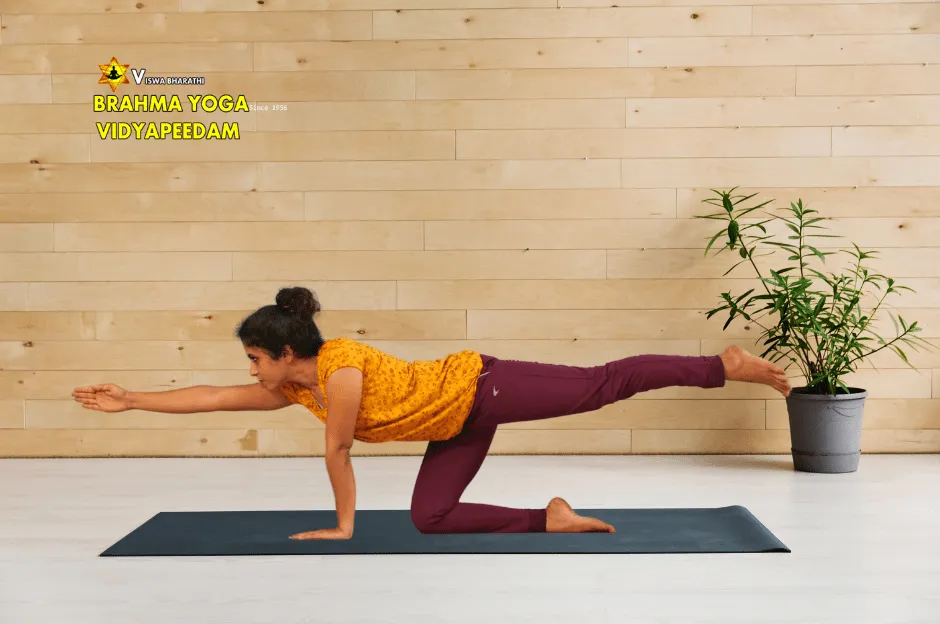
- Balance and core challenges: Challenge athletes with single-leg balance exercises or plank holds and reward those who remain motionless the longest. These create competition without intensity.
Building endurance without boredom
Laps around a track fail to capture junior athletes' interest even though endurance training remains essential. Athletes maintain endurance strength by transforming training exercises into playful challenges.
- Obstacle courses: Develop mini-circuit courses using agility ladders alongside jumping sections with cones and crawling exercises. The athletes race around the track either individually to achieve the fastest time or as part of a group.
- Team challenges: Kids must perform shuttle runs and solve puzzles stationed at both ends of the course. This builds endurance while engaging the mind.
- Timed circuits: Establish four to six exercise stations, such as skipping ropes and jumping jacks and alternate every 30 seconds and rotate every 30 seconds. Built-in rest periods between circuits help prevent athlete fatigue.
Creating a positive environment
Psychological safety holds equal importance to physical development in young athletes. Athletes should feel secure in their ability to attempt tasks multiple times without the threat of criticism after failing.
- Promote team bonding by incorporating warm-up games followed by cool-down conversations. Ask what they enjoyed most.
- Involve kids in decision-making. The kids should have the choice to select the following game or propose a new exercise movement.
- Implement tracking charts that allow children to monitor their personal development over time.
Every effective junior athletics training programme places enjoyment alongside progress and safety as its top priorities. Children who find joy in physical movement tend to stay active as they grow older.
Parental involvement: A supportive role
Parents should be more than spectators. You can support your child by praising their efforts while also attending their practices regularly and taking measures to ensure they get enough sleep and good nutrition. Allow the coaches to handle coaching duties while letting the child freely explore without feeling performance pressure.
- Ask open-ended questions post-training: What did you like today?
- Encourage consistent attendance without being overly results-focused.
- Offer nutritious snacks and water for athletes before and after training sessions.
Junior athletics can remain enjoyable and efficient without needing extensive funding or sophisticated facilities. To develop a successful junior athletics programme, we need careful planning combined with structured methods and an understanding of children's physical and mental growth stages. A playful learning environment enriched with physical activities and joyous exploration established by coaches and parents helps children perform well athletically and grow into confident athletes for life.
Choose a gym in Mornington that supports community-based sports programs and structured junior sessions if you need a space that understands youth athletic development while providing inclusive training environments. The right setting makes all the difference.




























Sign in to leave a comment.